 Thursday, October 08, 2026
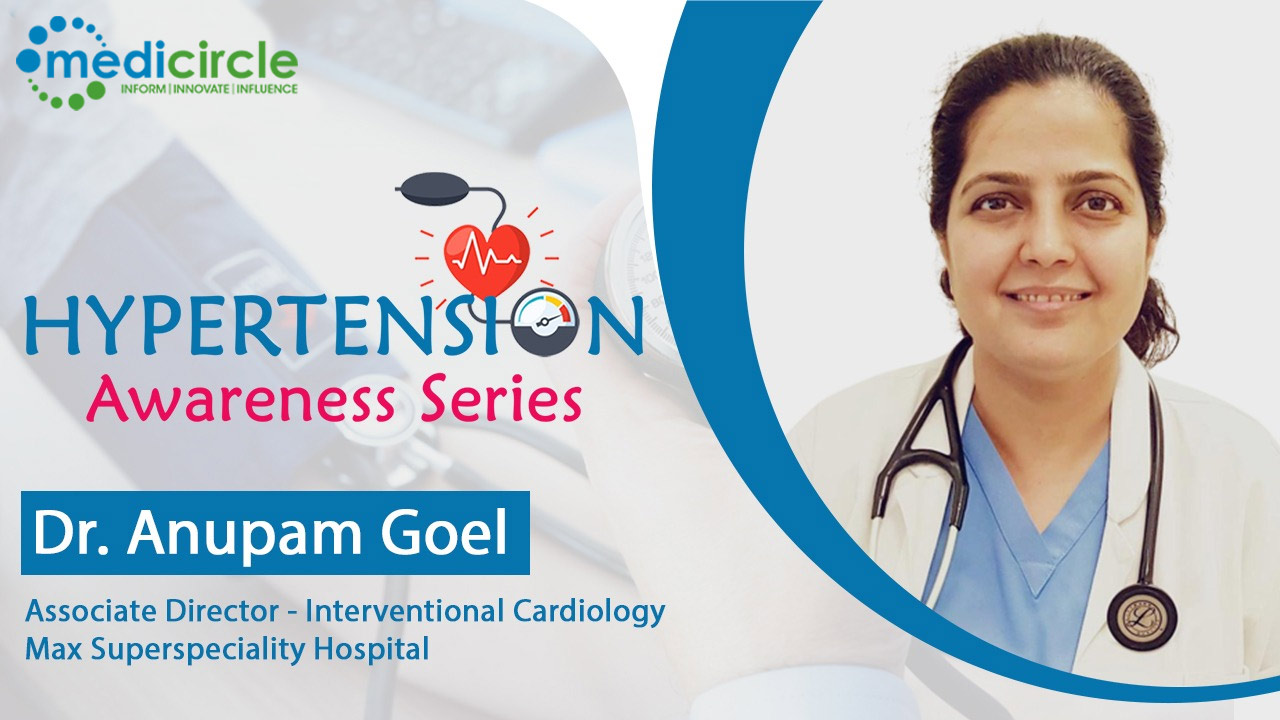
 Learn ways to deal with high blood tension, especially for people with hypertension in their families. Hypertension can lead to heart failure. But by implementing good measures it can be tackled and prevented.




Dr Anupam Goel is MBBS, MD (General Medicine), DM (Cardiology), Senior Consultant Cardiologist & Intervention cardiologist. She is a Senior Interventional Cardiologist at Max Superspeciality Hospital, Saket where she is practising since 2005. Dr. Goel is MD in medicine from Pt. BDS PGIMS, Rohtak. She was trained and obtained DM (postdoctoral) in cardiology from King George medical university. She has a special interest in managing and preventing heart diseases in women.
Are Hypertension headaches dangerous?
Dr Goel begins, “Hypertension is called a silent killer. This is because many people think that when their blood pressure increases, they would be aware of it. This is a misconception. Hypertensive headaches are signs of very high blood pressure. This is a hypertensive crisis. This could result in neurological damage, brain stroke and vision problems.”
“My advice would be to not wait for such headaches as signs of high blood pressure. This is a silent ailment and hence should be checked regularly. Hypertensive headaches generally occur on both sides of the head. They are pulsatile headaches and only occur during the late stage. Do not wait for this stage to occur.”
Can hypertension be cured?
Dr. Goel explains, “Hypertension is treatable. It can be prevented and treated but cannot be cured. Some causes of hypertension like hormonal disturbance and kidney problems require different treatment. Apart from age, the other factors that cause hypertension are stress, eating junk and salty food, inactivity, and obesity, which can all be controlled. This, in turn, prevents hypertension to a large extent.”
“If the doctor has recommended certain medications, then make sure to take them. Many patients ask me whether starting the course means having it lifelong. There are chances that with regular intake of medicines along with lifestyle changes, your medication will decrease and can even stop.”
Hypertension X Diabetes
Dr. Goel mentions, “Both hypertension and diabetes are big diseases. They are lifestyle disorders. Whether hypertension will cause diabetes is a little hard to say. But these two certainly co-exist. This is because both are caused by the same thing - a bad lifestyle. A bad diet, an unbalanced diet, inactivity, fried foods and daily stress are the reasons behind both these diseases.”
“Scientifically we say that both are correlated as both cause oxidative stress. Patients suffer from oxidative stress, insulin resistance and cardiometabolic disorders. So by controlling one, the other too gets controlled. Half of all diabetes patients will have hypertension and vice versa. The good news here is that if one changes their lifestyle, in terms of good diet, regular exercise and indulge in stress-free activities like yoga, then both the diseases will get controlled.”
Is Hypertension linked to Heart Failure?
Dr. Goel says, “Hypertension is a big cause behind congestive heart failure. Congestive heart failure occurs when the heart is not able to give enough blood to the body. Our body needs blood and oxygen to work and the heart works like a machine. The heart collects bad blood from the body and sends it to the lungs to get cleaned. Then it supplies oxygen and blood throughout the body.”
“In hypertension, the veins that supply blood throughout the body have a lot of pressure. This pressure naturally puts pressure on the heart as well. When the heart has to constantly deal with such pressure, it results in its walls getting thicker. It gets dilated as their natural structure gets disturbed.”
“There are two types of heart failure that can happen. One where the vein cannot collect the blood as they are no longer elastic but have turned stiff. The other is where the heart cannot pump well. This is why it is better to know about hypertension as soon as possible.”
Symptoms of Hypertension
Dr. Goel mentions, “What we doctors recommend is that blood pressure should be regularly checked even within children. Especially in those families that have a history of hypertension. In such families, every adult must get it checked and even children of age 5 to 10 should get it checked. We are seeing blood pressure cases at very young ages, especially if they have kidney problems or hormonal disturbances.”
“If you don’t have a family history, then get it checked once every 2 years. Another thing is that a single high reading doesn’t mean you have hypertension. Whenever you are checking your blood pressure try and be relaxed. Don’t take coffee or cigarette before it. Make sure the blood pressure machine is at the same level as your heart. If after all these measures you doubt that you have blood pressure then do check with your doctor.”
Edited By: Priyal Shah
Contributed By: Dr. Anupam Goel, MD, DM, Senior Consultant and Intervention Cardiologist, Max Superspeciality Hospital





.jpeg)








.jpg)
.jpg)
.jpg)
.jpg)
.jpg)
.jpg)


.jpg)
.jpg)
.jpg)