 Monday, October 05, 2026
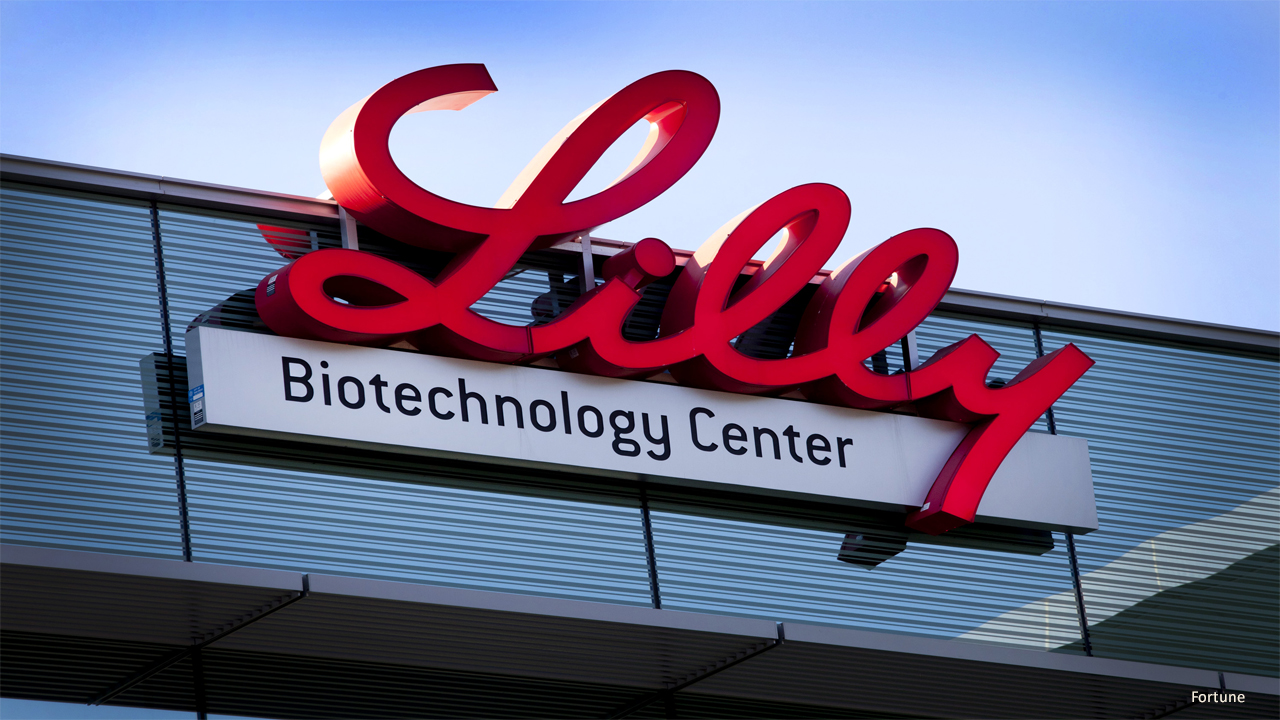
 The inhibitor is for the potential treatment of Immunological and Neurodegenerative diseases




Eli Lilly and Company and Rigel Pharmaceuticals, Inc. announced a global exclusive license agreement and strategic collaboration to co-develop and commercialize Rigel's R552, a receptor-interacting serine/threonine-protein kinase 1 (RIPK1) inhibitor, for all indications including autoimmune and inflammatory diseases. Pursuant to the collaboration, Lilly will also lead all clinical development of brain penetrating RIPK1 inhibitors in central nervous system (CNS) diseases.
Rigel's lead RIPK1 inhibitor, R552, has completed Phase 1 clinical trials and will begin Phase 2 clinical trials in 2021 as part of the collaboration. Rigel also has ongoing pre-clinical activities with its lead CNS penetrant RIPK1 inhibitor candidates.
Under the terms of the agreement, Lilly will pay an upfront cash payment to Rigel of $125 million. Rigel may also be eligible to receive up to $835 million in potential development, regulatory, and commercial milestone payments, as well as tiered royalties ranging from the mid-single digit to high-teens that will vary depending upon Rigel's clinical development investment. Lilly and Rigel will co-develop R552 at specified contribution levels. Lilly will be responsible for all costs of global commercialization for R552, and Rigel will have the right to co-commercialize R552 in the U.S. Lilly will be solely responsible for all clinical development and commercialization of brain penetrating RIPK1 inhibitors in CNS indications.
RIPK1 is a critical signaling protein implicated in a broad range of key inflammatory cellular processes including necroptosis, a type of regulated cell death, and cytokine production. In necroptosis, cells rupture leading to the dispersion of cell contents which can trigger an immune response and enhance inflammation. Inhibiting RIPK1 may be a new approach to treating various autoimmune, inflammatory, and neurodegenerative disorders. In pre-clinical studies, Rigel's R552 demonstrated prevention of joint and skin inflammation in a RIPK1-mediated murine model of inflammation and tissue damage.
"At Lilly, our immunology strategy is focused on the pursuit of novel targets that have the potential to develop into best-in-class medicines for patients with autoimmune conditions," said Ajay Nirula, M.D., Ph.D., vice president of immunology at Lilly. "RIPK1 inhibitors are a promising approach, and R552 is an exciting addition to our immunology pipeline. We look forward to working with Rigel to advance its clinical development."
"We are very excited to form this strategic partnership with Lilly. This collaboration will provide significant resources and expertise to support a broad investigation in multiple disease indications with our RIPK1 inhibitors," said Raul Rodriguez, Rigel's president and CEO. "With Lilly's extensive knowledge in immune and CNS diseases, they are our ideal partner to ensure the clinical and commercial success of our RIPK1 inhibitor program."
This transaction is subject to customary closing conditions, including clearance under the Hart-Scott-Rodino (HSR) Antitrust Improvements Act of 1976. This transaction will be reflected in Lilly's reported results and financial guidance according to Generally Accepted Accounting Principles (GAAP). There will be no change to Lilly's 2021 non-GAAP earnings per share guidance as a result of this transaction.






.jpeg)
.jpg)
.jpg)
.jpg)
.jpg)
.jpg)
.jpg)





.jpeg)

.jpeg)

.png)