 Saturday, October 10, 2026
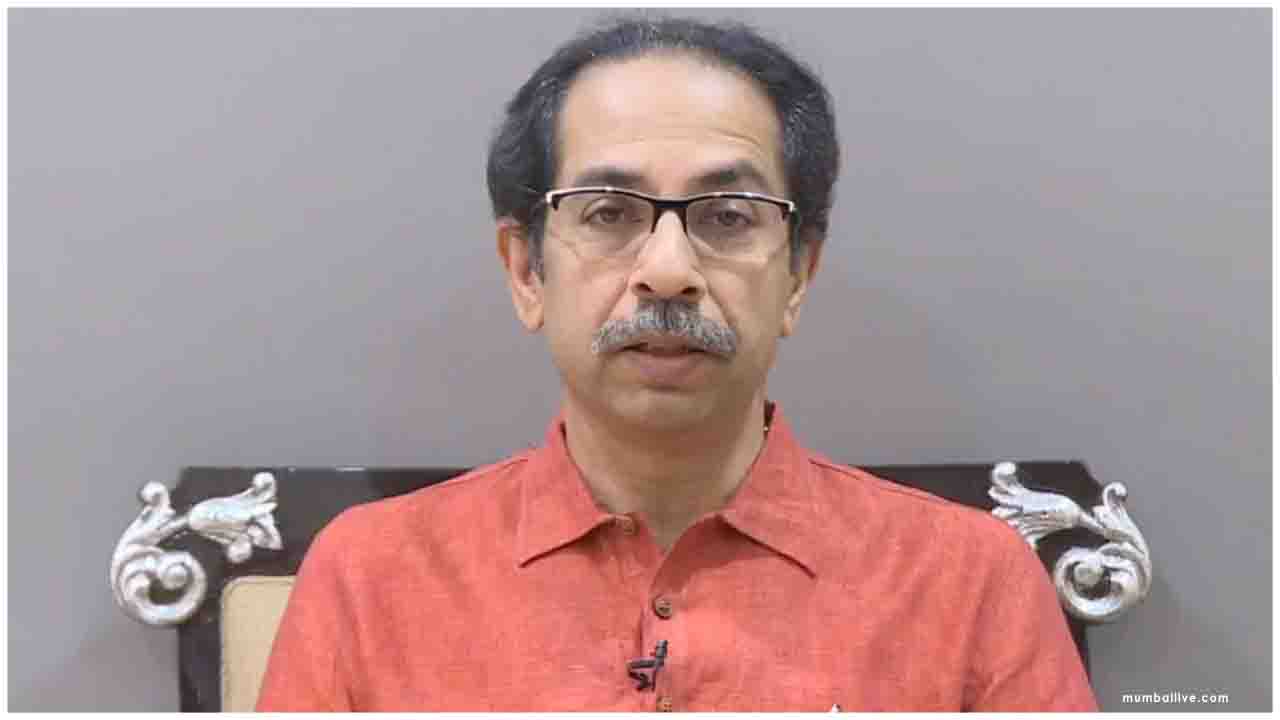
 Hotels and lodges will be allowed to operate at 100 per cent capacity




The Maharashtra government, on Monday, lifted restriction on inter-district movement of persons and goods, and raised attendance in its offices as it announced a slew of relaxations while extending the general COVID-19-enforced lockdown in the state till September 30.
It said hotels and lodges will be allowed to operate at 100 per cent capacity from September 2, but schools, colleges, cinema halls and swimming pools will continue to remain closed till September 30.
Easing of restrictions came even as Maharashtra continues to register a record number of new coronavirus cases with no flattening of curve in sight in the state.
The government announced that there shall be no restriction on inter-district movement of persons and goods, including those for cross-land border trade under treaties with neighbouring countries from September 2.
No separate permission/approval/e-permit will be required for the vehicles and persons travelling therein for such movements, the government said in its 'Mission Begin Again' order that encapsulated 'Unlock' norms.
The government also allowed passenger movement by private bus/mini bus and other operators. The state's transport commissioner will issue the standard operating procedure (SOP) for the same, the order said.
The government said outdoor physical activities with no restrictions will be allowed, but made no mention of reopening of gyms and temples.
The Maharashtra government's 'Group A' and 'Group B' officers can attend offices to 100 per cent of their strength across the state from September 2.Other government staffers can attend offices with 30 per cent of their strength or minimum 30 employees, whichever is more, in areas under municipal corporations in Mumbai Metropolitan Region, Pune and Pimpri-Chinchwad and others—all COVID-19 hotspots.In the rest of Maharashtra, the non-Group A and Group B staffers can attend office to the extent of their 50 per cent strength or minimum 50 employees whichever is more, the order said.
The government said private offices may operate up to 30 per cent of their strength as per requirement.
The government also called for appointing a vigilance officer in every office to ensure social distancing norms are observed to contain the spread of COVID-19.
All essential shops, which were allowed to remain open till the latest order, will continue to do so, the government said.
All non-essential shops will be allowed to continue as per relaxations issued from time to time and liquor shops will continue to operate, it added.
The Uddhav Thackeray government made it clear that the schools, colleges, educational and coaching institutions will continue to remain closed till September 30 and reiterated online/distance learning shall continue to be permitted and shall be encouraged.
Cinema halls, swimming pools, entertainment parks, theatres (including those in malls and market complexes), bars, auditoriums, assembly halls and similar places will continue to remain closed, it said.
International travel of passengers, except as permitted by the ministry of home affairs, and metro rail services will be disallowed, it said.
Social/political/sports/entertainment/academic/ cultural/religious functions and other large congregations will continue to be prohibited in the state, the government said.
PTI






.jpeg)










.jpg)
.jpg)
.jpg)
.jpg)
.jpg)
.jpg)


.jpg)