 Thursday, October 08, 2026
 The study will enrol up to 40 patients into two cohorts, randomized 1:1 to receive the active study drug plus standard treatment or placebo




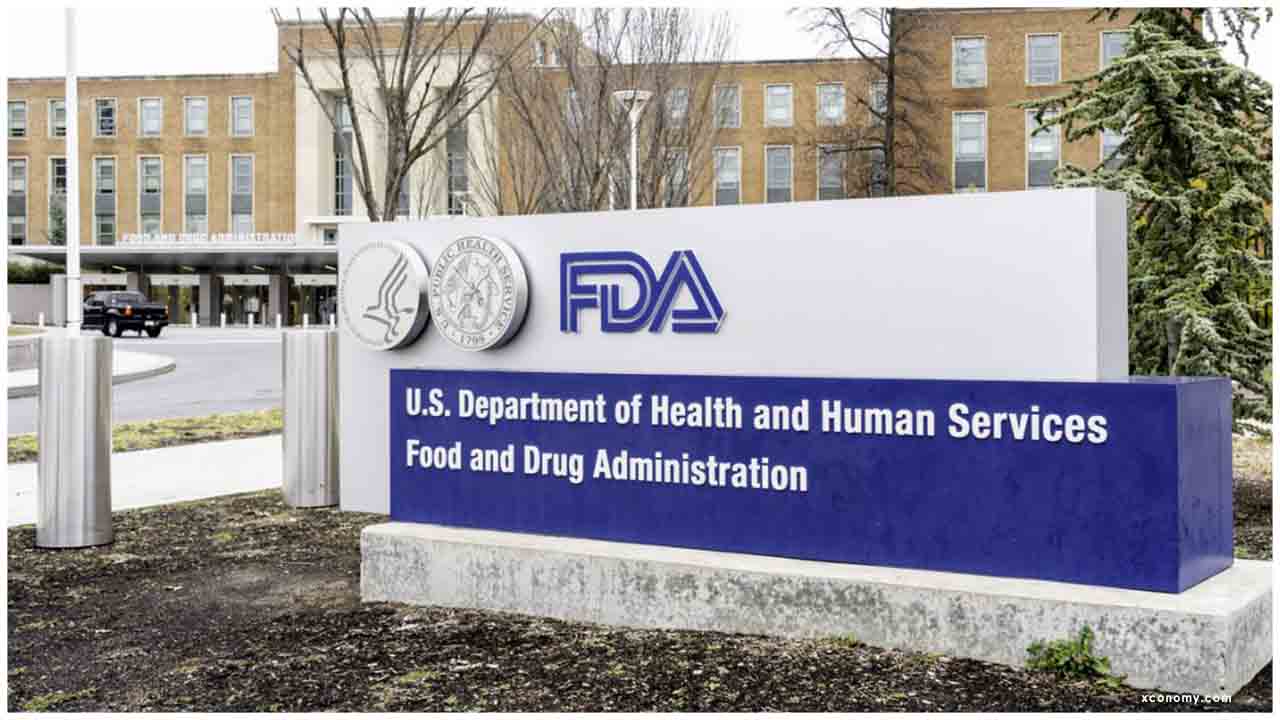
Stemedica Cell Technologies, Inc. has received U.S. Food and Drug Administration (FDA) Investigational New Drug (IND) approval for "A Phase II, Multi-Center, Randomized, Double-Blind, Placebo-Controlled Study to Assess the Safety, Tolerability, and Preliminary Efficacy of Intravenous Allogeneic Mesenchymal Stem Cells in Patients with Moderate to Severe Lung Injury due to COVID-19." The study will enrol up to 40 patients into two cohorts, randomized 1:1 to receive the active study drug plus standard treatment or placebo (lactate ringer solution) plus standard treatment.
Prior to submission of an IND, fourteen critically ill COVID-19 patients were treated on Emergency Use and Expanded Use INDs at the Providence Saint John's Health Center (Santa Monica, CA) and ProMedica (Toledo, OH). The stem cell treatment resulted in an improved clinical course for the patients. Within 24-48 hours of receiving the stem cells, all patients had a significant reduction in oxygen requirements. Several patients went from an inability to talk or eat due to shortness of breath to speaking in full sentences and eating full meals comfortably shortly after treatment.
The study also found improved inflammatory modulation; 88 percent of patients had a significant reduction in acute phase reactants (markers for reductions in inflammation) which resulted in a reduced "cytokine storm." Researchers noted that these patients experienced quicker extubation, less lung trauma and less oxygen toxicity.
"It was evident from this preliminary experience that ischemic-tolerant mesenchymal stem cells (itMSCs) may play a significant role in treating moderate and severe cases of COVID-19 and require further investigation in a clinical trial to be sponsored by Stemedica," said Lev Verkh Ph.D., Stemedica's chief regulatory and clinical development officer.
Several properties of itMSCs make them attractive as a novel biological therapy for severe lung injury due to COVID-19: low immunogenicity; immunomodulatory effects; capacity to suppress excessive pro-inflammatory responses; and ability to secrete epithelial and endothelial growth factors to support the existing alveolar epithelial and endothelial barriers which are often disrupted in acute respiratory distress syndrome (ARDS) leading to respiratory failure from alveolar edema. By targeting multiple aspects of the pathophysiology of ARDS, itMSCs offer a distinct advantage over other pharmacological therapies that may target one component of the syndrome.
"Mesenchymal stem cells that act as a cytokine storm blocker significantly suppress natural killer (NK) cell activation, reducing CXCL1 peptides released by neutrophils resulting in a lesser presence harmful to the epithelium and endothelium proteases and oxidants," said Nikolai Tankovich M.D., Ph.D., Stemedica's president and chief medical officer. "This results in less damage to the lungs and a better clinical outcome for COVID-19 patients, in particular, for breathing capability."






.jpeg)








.jpg)
.jpg)
.jpg)
.jpg)
.jpg)
.jpg)


.jpg)
.jpg)
.jpg)