 Tuesday, October 13, 2026
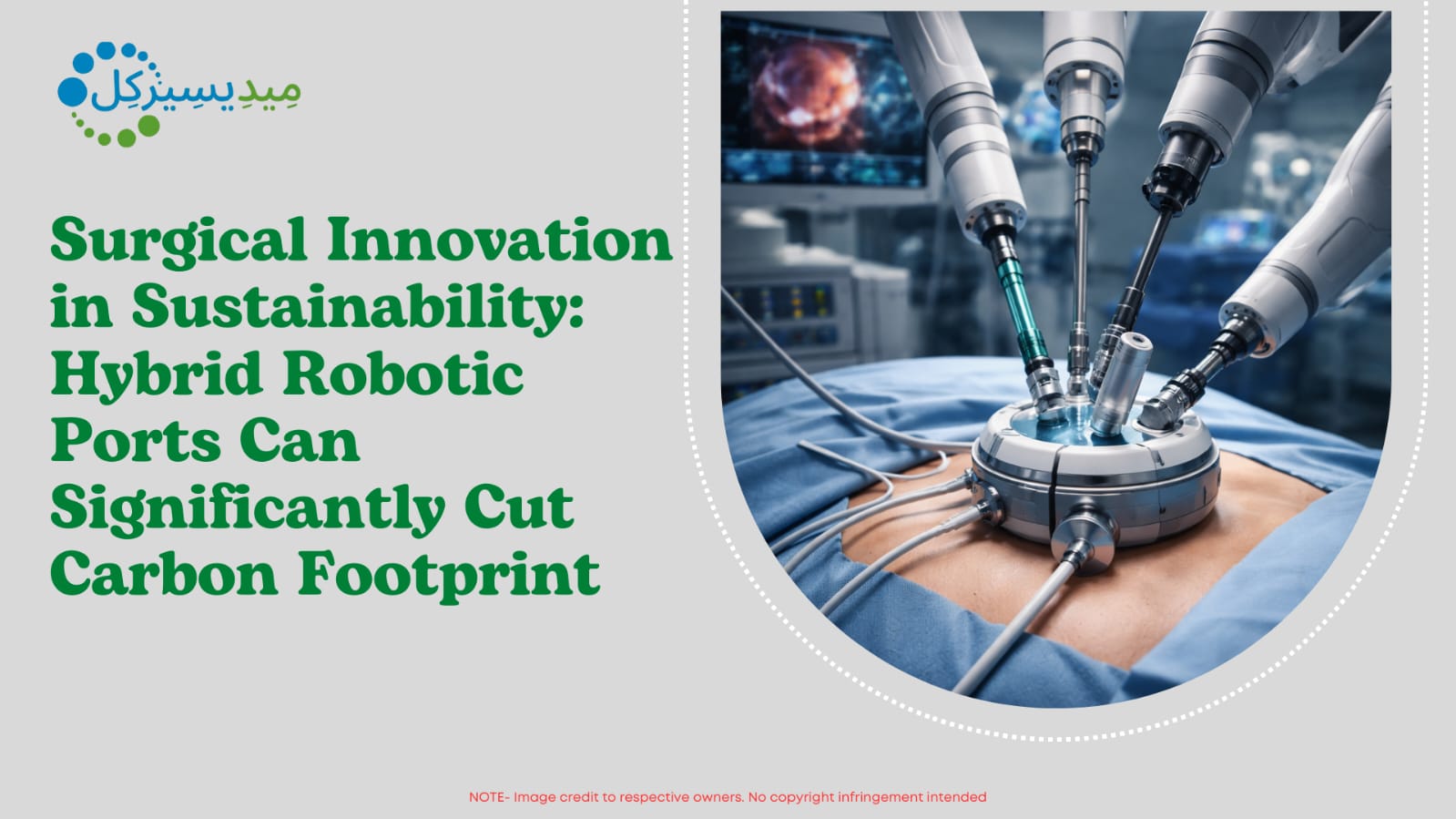
 A recent life-cycle assessment study found that switching from single-use robotic surgery ports to hybrid, sterilisable 5 mm robotic ports led to an 83 % reduction in carbon emissions and a substantial decrease in hazardous clinical waste generation. This evidence, based on real material, transport, decontamination, and disposal data, highlights a clear pathway to more sustainable operating theatre practices worldwide.




Why carbon footprint matters in healthcare
Healthcare systems globally generate significant greenhouse gas (GHG) emissions and waste, with single-use surgical devices contributing disproportionately to this burden. Single-use instruments, while convenient, are typically manufactured, transported, packaged, and then disposed of after one procedure — factors that multiply both emissions and resource consumption. Life cycle assessments across surgical instruments and consumables consistently show lower environmental impact when reusable or hybrid products replace purely disposable ones.
The study on robotic hybrid 5 mm ports used in minimally invasive robotic surgery evaluated cradle-to-grave environmental impact under ISO 14044 guidelines. Compared with single-use equivalents, hybrid ports — made primarily of reusable components with a small single-use element — produced 143 g CO₂e per use versus 817 g CO₂e for single-use alternatives. This translates to an 83 % carbon footprint reduction across the device lifecycle.
Beyond carbon savings, hybrid designs dramatically reduce hazardous waste generation — a key operational challenge for high-volume surgical facilities and waste management systems. Fewer disposables mean less incineration or specialised disposal processes, which also contribute to emissions and costs.
What this means for surgical practice and systems
For clinicians and hospital leaders, adopting hybrid and reusable instruments aligns quality care with sustainability goals. These approaches:
- Reduce environmental impact without compromising clinical performance.
- Lower operating room waste volumes, easing pressure on disposal infrastructure and occupational safety protocols.
- Support institutional carbon reduction strategies, crucial as healthcare sectors align with national net-zero commitments and global environmental frameworks.
Hospitals can embed sustainability into procurement strategies, selecting devices with lower life-cycle emissions and investing in sterilisation capabilities that maximise reuse cycles.
Why this matters for healthcare providers and OT rooms
Reducing the carbon footprint of surgical care is both an environmental and economic priority. Many healthcare systems are integrating value-based care models that reward outcomes and efficiency — including resource optimisation. By adopting hybrid surgical devices, institutions can reduce waste management costs and GHG emissions while contributing to broader net zero health system goals.
These findings also support policy frameworks promoting circular-economy principles in medical procurement — where longevity, reusability, and lower environmental impact become concrete selection criteria.
Conclusion
The evidence is clear: embracing hybrid, sterilisable surgical instruments — such as 5 mm robotic ports — offers a significant reduction in carbon emissions and hazardous waste, advancing both clinical excellence and environmental stewardship. Scaling such innovations within healthcare systems worldwide will be vital in achieving sustainable care delivery without compromising patient outcomes.






.jpeg)










.jpg)
.jpg)
.jpg)
.jpg)
.jpg)
.jpg)


.jpg)