Tuesday, October 27, 2026
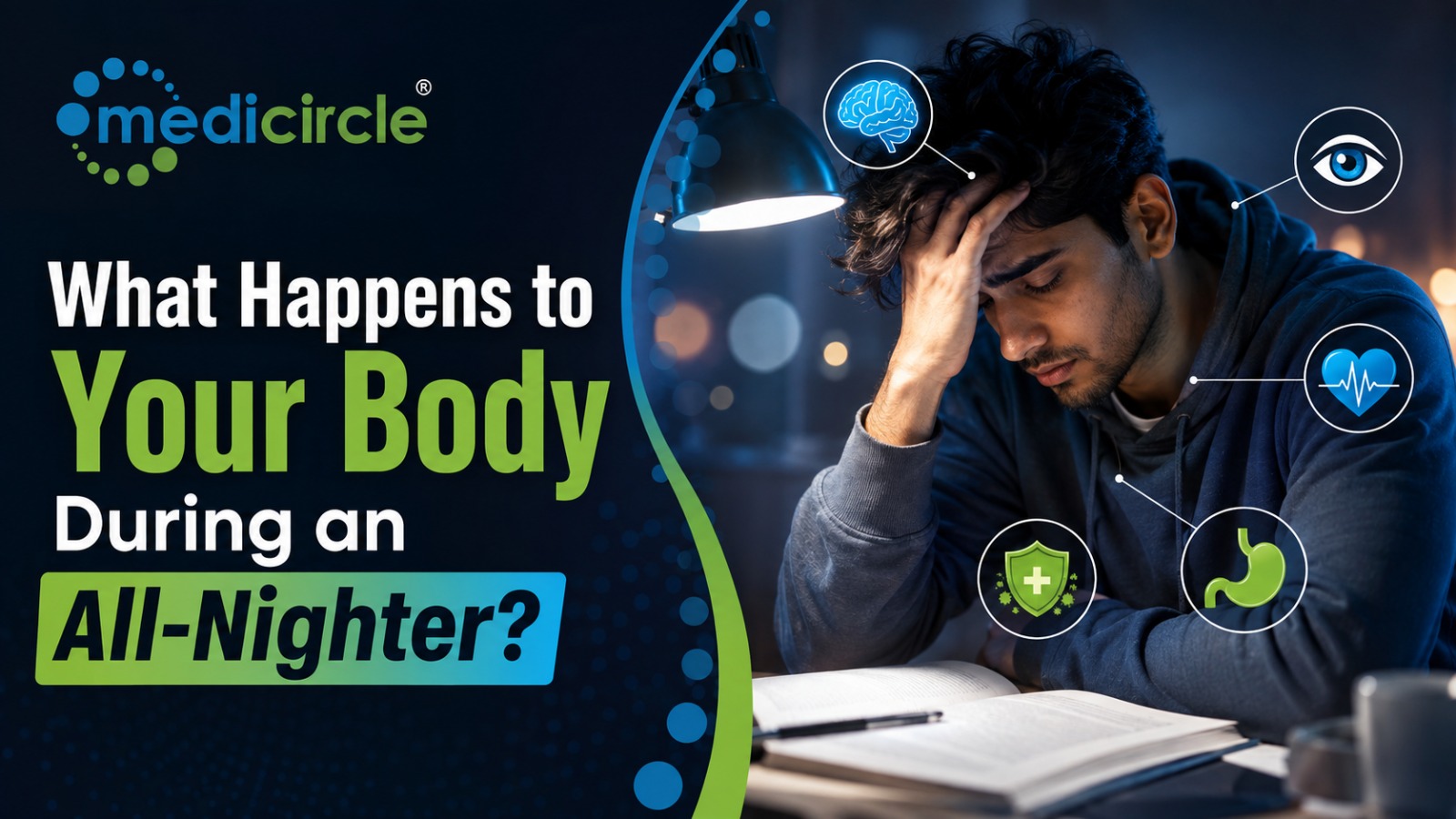
 Pulling an all-nighter significantly disrupts brain function, emotional balance, immunity, metabolism, and cardiovascular health. Even one night of sleep deprivation reduces concentration, impairs decision-making, and increases accident risk. Prioritizing consistent, quality sleep is essential for recovery, productivity, and long-term well-being.




Whether it is studying for exams, meeting work deadlines, binge-watching shows, or gaming late into the night, many people have experienced pulling an all-nighter at least once. Staying awake for an entire night may seem manageable in the moment, but doctors and sleep experts warn that even one night of missed sleep can significantly affect the body and brain.
Research from the Sleep Foundation and Healthline shows that sleep deprivation impacts nearly every system in the body. From reduced concentration and mood swings to weakened immunity and cardiovascular stress, the effects begin much sooner than most people realize.
Sleep is not simply a period of rest. It is a critical biological process that allows the brain and body to repair, recover, and regulate essential functions. When sleep is skipped entirely, the body immediately begins to struggle to maintain balance.
What Happens After 24 Hours Without Sleep?
Doctors describe going a full night without sleep as total sleep deprivation. After around 16 to 18 hours awake, the body naturally begins preparing for sleep. When this process is interrupted and wakefulness continues beyond 24 hours, the brain and body experience noticeable changes.
According to the Sleep Foundation, staying awake for 24 hours can impair reaction times and decision-making abilities to a level comparable to alcohol intoxication. Cognitive performance drops significantly, making even simple tasks more difficult.
Many individuals experience heavy eyelids, slowed thinking, reduced alertness, headaches, and intense fatigue. The body essentially enters a stressed and exhausted state as it struggles to function without adequate recovery.
Physiological Impacts Across Body Systems
Staying awake for 24+ consecutive hours triggers a domino effect across physiological systems, impairing critical biological processes:
- Cognitive Functions: Disruption of memory consolidation in the hippocampus leads to brain fog, poor concentration, reduced creativity, and impaired problem-solving abilities.
- Emotional Regulation: Elevated stress hormones (cortisol and adrenaline) hyper-activate the amygdala, causing mood swings, irritability, heightened anxiety, and emotional volatility.
- Immune Defense: Sleep loss suppresses the production of infection-fighting cytokines and T-cells, raising systemic inflammation and leaving the body vulnerable to pathogens.
- Cardiovascular System: Blood pressure and heart rate remain elevated overnight without the normal nocturnal dipping, increasing strain on blood vessels and the heart.
- Metabolic Health: Disruption of hunger hormones—increasing ghrelin (appetite driver) and suppressing leptin (satiety signal)—triggers intense cravings for high-calorie, simple carbohydrates.
Structural Comparison: Rested State vs. Total Sleep Deprivation
Comparing a well-rested physiological state against 24 hours of total sleep deprivation demonstrates the severe toll extended wakefulness takes on core functions:
- Cognitive Processing: Rested individuals maintain optimal reaction speeds and clear working memory. Sleep-deprived individuals experience slowed neural processing, impaired decision-making, and frequent cognitive lapses.
- Blood Pressure Regulation: Rested bodies experience a natural 10%–20% nocturnal drop ("dipping") in blood pressure to protect blood vessels. Sleep deprivation prevents this drop, sustaining high vascular resistance overnight.
- Metabolic Hormones: Balanced sleep maintains normal ghrelin/leptin signaling and steady insulin sensitivity. Missing a night of sleep causes ghrelin to spike and insulin sensitivity to drop, mimicking early pre-diabetic states.
- Motor Skills & Coordination: Rested individuals maintain precise fine-motor control. Going 24 hours without sleep impairs motor coordination to a degree equivalent to a blood alcohol concentration (BAC) of 0.10\%.
- Risk of Involuntary Lapses: Rested individuals maintain continuous conscious awareness. Extreme fatigue triggers involuntary microsleeps—brief 1-to-15-second neurological shutdowns—posing high risks while driving or operating machinery.
Action Plan: Post-All-Nighter Recovery Protocol
To mitigate acute cognitive damage and reset biological rhythms after an all-nighter, execute a structured recovery plan:
- Hydrate, Avoid Driving, and Limit Excessive Caffeine
Phase 1: Immediate Stabilization
Drink plenty of water and avoid driving or operating heavy machinery. Limit caffeine intake after 12:00 PM to prevent disrupting the upcoming night's sleep. Eat balanced, protein-rich meals to stabilize blood sugar spikes. - Take a Strategic 20-to-30-Minute Power Nap
Phase 2: Strategic Daytime Rest
If severe fatigue causes microsleeps or intense brain fog during the day, take a short power nap before 3:00 PM. Keep the nap under 30 minutes to avoid deep-sleep inertia and preserve night-time sleep drive. - Get Morning Sunlight and Prioritize Early Bedtime
Phase 3: Circadian Realignment
Expose your eyes to natural sunlight during the day to help anchor your circadian clock. Go to bed 1 to 2 hours earlier than usual to allow your brain to enter deep recovery sleep naturally.
Actionable Strategy: Digital Governance & Health Tracking
- Log Sleep Metrics via Universal Digital Health Repositories: Sync wearable sleep data, recovery scores, and fatigue tracking logs to secure digital health accounts—such as the ABHA ID (Ayushman Bharat Health Account) pipeline. This allows medical providers to analyze long-term sleep architecture during routine health checks.
- Verify Sleep Specialist & Clinical Credentials: Ensure attending sleep specialists, pulmonologists, and behavioral sleep medicine experts hold verified qualifications logged through national education registries like the APAAR ID system within the Academic Bank of Credits (ABC) network.
- Prioritize Sleep Continuity over Recovery "Catch-Up": Focus on establishing a fixed wake-up time every day rather than relying on massive weekend lie-ins, which can trigger "social jetlag" and disrupt sleep architecture further.
Real-World Perspectives & Community Insights
Many people who frequently pull all-nighters describe lingering fatigue, disrupted sleep schedules, and mental exhaustion even after recovery sleep.
Discussions on the Reddit Sleep Community highlight how repeated all-nighters disrupt natural circadian rhythms, making it harder to fall asleep normally afterward. Other users discuss concerns about cognitive decline, reduced learning ability, and persistent brain fog associated with chronic sleep deprivation.
Case Study: The Effects of Repeated All-Nighters
Aman, a 21-year-old college student, regularly stayed awake overnight before exams believing it improved productivity. Initially, he managed the fatigue with caffeine, but over time he experienced severe brain fog, irritability, poor memory retention, and recurring headaches.
After consulting a doctor, he changed his study habits and began maintaining a consistent sleep schedule. Within weeks, his concentration improved, stress levels decreased, and academic performance became more stable.
His experience reflects what many sleep experts emphasize: quality sleep supports learning and productivity far more effectively than repeated all-nighters.
Frequently Asked Questions (FAQs)
Q1. What happens to your body during an all-nighter?An all-nighter causes acute fatigue, reduced concentration, mood instability, weakened immune responses, elevated blood pressure, and impaired cognitive function equivalent to alcohol intoxication.
Q2. Is staying up all night dangerous?Yes. Prolonged sleep deprivation severely impairs motor coordination, increases the risk of accidents due to microsleeps, and places acute stress on the cardiovascular and metabolic systems.
Q3. Can one all-nighter affect memory retention?Yes. Sleep is required to consolidate short-term memories into long-term storage in the brain. Missing a night of sleep prevents memory processing, making it harder to retain newly learned information.
Q4. Why do I feel emotionally unstable after no sleep?Sleep loss impairs communication between the prefrontal cortex (rational control center) and the amygdala (emotional center), leading to emotional volatility, heightened anxiety, and irritability.
Q5. Does sleep deprivation weaken the immune system?Yes. Missing sleep suppresses cytokine production and decreases infection-fighting T-cells, lowering the body's natural resistance to viral and bacterial infections.
Q6. Can an all-nighter affect cardiovascular health?Yes. Skipping sleep keeps stress hormones like cortisol elevated and prevents the normal overnight drop in blood pressure, placing increased stress on heart tissue and blood vessels.
Q7. What are microsleeps?Microsleeps are involuntary, brief neurological shutdowns lasting from 1 to 15 seconds. The brain temporarily slips into sleep while a person appears awake, creating dangerous conditions while driving or working.
Q8. Can you fully recover from an all-nighter with one long sleep?While a long night of recovery sleep helps relieve acute fatigue, research indicates it can take several days for cognitive performance, reaction times, and circadian rhythms to fully normalize.
Q9. Why do people crave junk food after staying awake all night?Sleep deprivation spikes ghrelin (the hunger hormone) and suppresses leptin (the fullness hormone), triggering intense cravings for high-calorie, energy-dense sugars and fats.
Q10. Is it better to pull an all-nighter or get a few hours of sleep before an exam?It is always better to get a few hours of sleep. Even 3 to 4 hours of sleep allows the brain to complete core NREM and REM cycles, significantly improving memory recall and focus compared to zero sleep.
Conclusion
An all-nighter may seem like a temporary solution for deadlines or studying, but the effects on the body begin almost immediately. From impaired thinking and emotional instability to weakened immunity and cardiovascular stress, sleep deprivation disrupts nearly every major system in the body.
Doctors and sleep experts consistently emphasize that sleep is essential for recovery, mental clarity, emotional balance, and long-term health. While occasional sleep loss may happen, making all-nighters a habit can significantly affect physical and mental well-being over time.
Understanding what happens to your body during an all-nighter highlights one important truth: sleep is not wasted time—it is one of the body’s most important biological needs.





-23-300x250.png)

.jpeg)






.jpg)
.jpg)
.jpg)
.jpg)
.jpg)
.jpg)
.jpg)
.jpg)
.jpg)