Friday, October 23, 2026
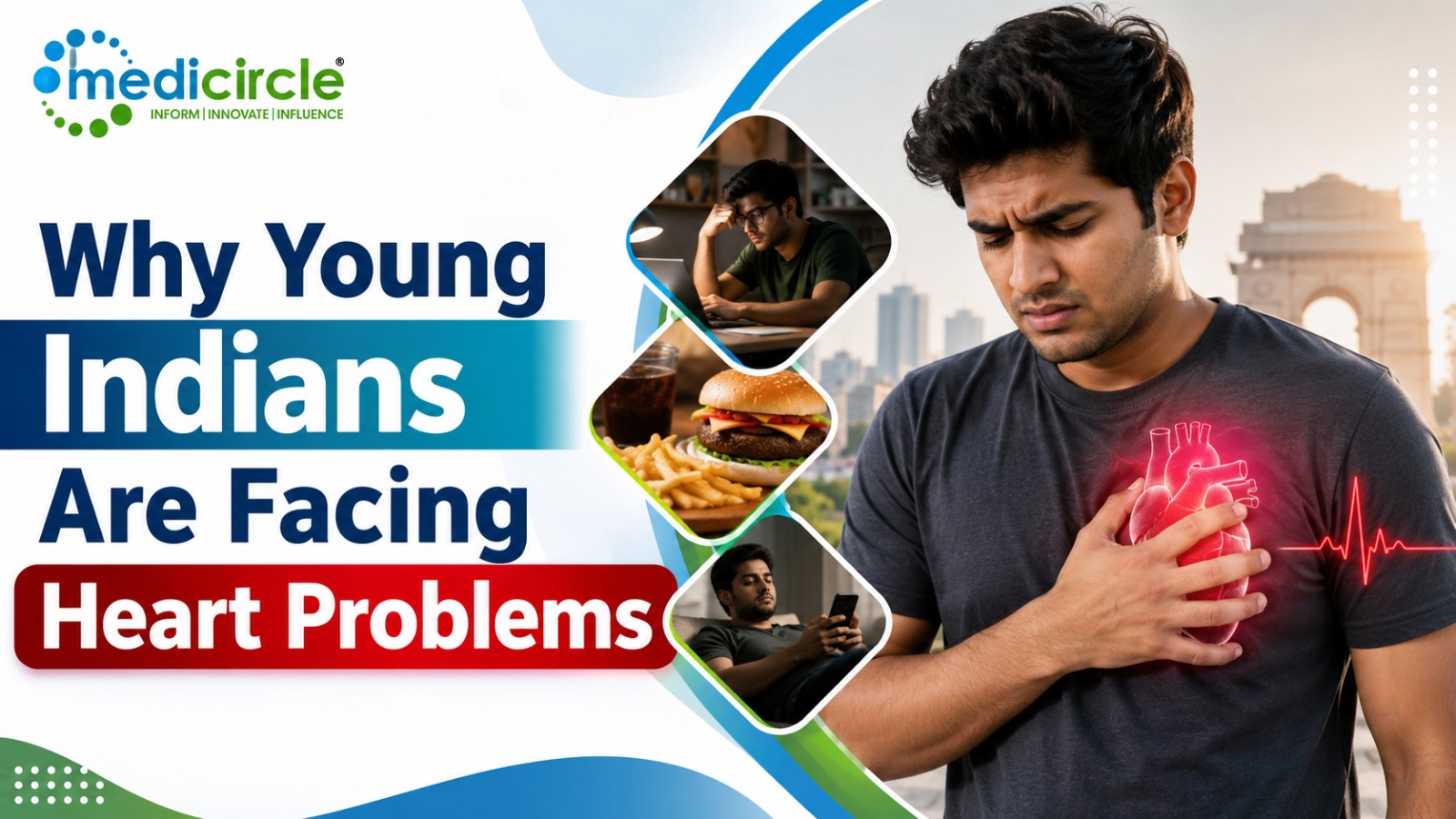
 Young Indians face rising heart disease due to genetic predisposition, lifestyle changes, stress, poor diet, and low preventive awareness. Early screening and healthy habits are essential protective measures.





Introduction
India is witnessing a deeply concerning health trend. Heart attacks, once considered a disease of older age, are now claiming the lives of people in their 20s, 30s, and early 40s with alarming frequency. According to data from the National Crime Records Bureau, India recorded a 12.5 percent rise in heart attack deaths in 2022, resulting in 32,457 fatalities. The Indian Heart Association has reported that half of all heart attacks in Indian men occur before the age of 50, and one in four occurs before the age of 40.
These are not isolated incidents. From young software engineers collapsing at their desks to athletes suffering cardiac events mid-performance, the pattern is consistent and undeniable. The question that doctors, families, and public health experts are urgently asking is: why is this happening to young Indians, and what can be done about it?
The answer lies in a combination of genetic vulnerability, rapidly changing lifestyles, environmental stressors, and a serious gap in awareness and preventive healthcare. Understanding these factors is the first step toward reversing this trend.
Understanding the Basics: How Heart Disease Develops in Young Adults
A heart attack, medically called a myocardial infarction, occurs when blood supply to a section of the heart muscle is blocked, usually due to a clot forming over a ruptured arterial plaque. The heart muscle, deprived of oxygen, begins to die within minutes. If not treated promptly, this can be fatal or cause permanent cardiac damage.
In older adults, this process typically develops over decades of accumulated risk. In young people, the same biological pathway is being triggered much earlier. The primary reason is premature atherosclerosis, a condition where fatty plaques build up inside the arteries at an unusually young age. This is accelerated by poor diet, physical inactivity, chronic inflammation, and metabolic disorders.
Beyond atherosclerosis, young Indians are also susceptible to other cardiac conditions including:
- Familial hypercholesterolemia, an inherited disorder that causes very high cholesterol levels from childhood
- Hypertrophic cardiomyopathy, a genetic condition where the heart muscle becomes abnormally thick
- Coronary artery anomalies, structural irregularities in the heart's blood vessels that are present from birth
- Stress-induced cardiomyopathy, known as Takotsubo syndrome, which can mimic a classic heart attack
These conditions do not discriminate based on age, fitness level, or outward appearance. A person can appear perfectly healthy and still carry significant cardiac risk.
Primary Causes and Risk Factors Driving Early Heart Disease in India
The Lifestyle Shift in Urban IndiaThe rapid urbanisation of India over the past two decades has fundamentally altered how young people eat, move, and rest. Tier 1 cities like Mumbai, Bengaluru, Delhi, and Hyderabad, and increasingly Tier 2 cities like Pune, Ahmedabad, and Indore, have seen a dramatic rise in sedentary work culture, long commutes, and dependence on processed and fast food.
Young Indian professionals routinely work 10 to 14-hour days, skip meals, consume high-sodium packaged food, and get fewer than six hours of sleep. This sustained physiological stress accelerates arterial inflammation and contributes to hypertension, elevated blood sugar, and dyslipidemia, which are three of the most powerful risk factors for heart disease.
Diet: From Traditional Plates to Processed FoodsIndian dietary patterns have shifted significantly in the past generation. Traditional diets rich in whole grains, lentils, seasonal vegetables, and home-cooked preparations have given way to ultra-processed foods loaded with refined carbohydrates, trans fats, sodium, and added sugars.
High consumption of maida-based foods, packaged snacks, sugar-sweetened beverages, and restaurant meals contributes directly to elevated LDL cholesterol, triglycerides, and visceral fat, all of which promote plaque formation in the arteries. India's diabetes epidemic is also closely linked to this dietary shift, and diabetic individuals face two to four times higher cardiovascular risk.
Physical Inactivity and the Sedentary GenerationPhysical activity has declined sharply across Indian youth. Long working hours, screen-based entertainment, and the absence of structured exercise have created a generation that spends most of its waking hours seated. The consequences for cardiovascular health are well-documented. Sedentary behaviour raises blood pressure, increases insulin resistance, elevates triglycerides, and reduces the protective HDL cholesterol.
Tobacco Use and Substance AbuseTobacco consumption in India remains deeply entrenched, particularly among young men in both urban and rural settings. Cigarette smoking, bidi smoking, and smokeless tobacco all cause significant vascular damage, narrowing the arteries and increasing the likelihood of clot formation. Research has consistently shown that smokers face two to four times higher heart attack risk compared to non-smokers.
Recreational substance use is also emerging as a concerning risk factor. Cocaine and amphetamine use, though still relatively limited in India compared to Western populations, have been documented in cases of sudden cardiac death among young urban Indians. Excessive energy drink consumption, which contains high doses of caffeine and stimulants, has also been linked to arrhythmias and cardiac arrest in young adults.
India's Unique Genetic PredispositionThere is a well-established body of research indicating that South Asians, including Indians, face a higher intrinsic risk of cardiovascular disease compared to many other ethnic groups. Indians tend to develop heart disease at younger ages and often with lower body mass index values than their Western counterparts.
Several genetic factors contribute to this elevated risk:
- Higher prevalence of elevated lipoprotein(a), a particularly atherogenic lipid particle
- Greater tendency toward central obesity and insulin resistance even in individuals who are not overtly overweight
- Higher rates of familial hypercholesterolemia in certain communities
- Inflammatory markers that may be elevated even in the absence of lifestyle-based risk factors
This genetic reality makes preventive screening and lifestyle awareness even more critical for Indian youth than for populations in other parts of the world.
Stress, Mental Health, and the HeartChronic psychological stress is a cardiovascular risk factor that remains underappreciated in India. The country's competitive academic culture, demanding job market, and social pressures around marriage, family expectations, and financial security create a persistently high-stress environment for young adults.
Stress triggers the release of cortisol and adrenaline, which over time elevate blood pressure, promote inflammation, impair sleep quality, and encourage unhealthy coping behaviours such as smoking and overeating. The stigma around mental health in India means that anxiety and depression often go untreated, further compounding cardiovascular risk.
The COVID-19 FactorThe long-term cardiovascular impact of COVID-19 infection has added a new dimension to the rising burden of heart disease among young Indians. Post-COVID cardiac complications, including myocarditis (inflammation of the heart muscle), micro-clotting, and endothelial dysfunction, have been observed in recovered patients across age groups. Epidemiological data from India showed a notable spike in heart attack deaths in the years following the pandemic, a pattern that cardiologists attribute in part to these post-viral effects.
Recognising the Symptoms: What Young People Often Miss
One of the most dangerous aspects of heart disease in young people is that the symptoms are frequently dismissed or misattributed to more common and less serious conditions.
The classic heart attack symptoms of central chest pain and left arm radiation are well known. However, young individuals may present with atypical features that are easily overlooked:
- Persistent or recurring chest discomfort that feels like pressure, heaviness, or squeezing
- Unexplained breathlessness during routine activity or even at rest
- Palpitations or an awareness of the heart beating irregularly or too fast
- Sudden and severe fatigue that is disproportionate to physical exertion
- Pain or discomfort extending to the jaw, neck, shoulders, or upper back
- Nausea, indigestion-like sensations, or cold sweating without an obvious cause
Young people, and sometimes their doctors, may attribute these symptoms to acidity, muscle strain, anxiety, or exhaustion. This diagnostic delay can be life-threatening. Any combination of these symptoms, particularly if they occur suddenly or during physical exertion, warrants immediate medical evaluation.
Diagnosis and Medical Evaluation
Early and accurate diagnosis is critical. For young individuals presenting with cardiac symptoms, a comprehensive evaluation typically includes:
An electrocardiogram (ECG) is the first-line investigation that can detect electrical abnormalities, arrhythmias, and evidence of an acute or past heart attack. Blood tests measuring cardiac biomarkers, particularly troponin levels, help confirm whether heart muscle damage has occurred. An echocardiogram uses ultrasound to assess the heart's structure and function, identifying conditions like hypertrophic cardiomyopathy or wall motion abnormalities. Lipid profiles and blood glucose testing are essential to identify metabolic risk factors. In cases where structural coronary artery disease is suspected, CT coronary angiography or invasive coronary angiography may be required.
For young individuals with a family history of early heart disease or sudden cardiac death, genetic testing and specialist referral should be considered proactively, even in the absence of symptoms.
Treatment Options and Management Strategies
Treatment depends on the specific diagnosis, severity of the event, and the underlying cause. For a confirmed heart attack in a young adult, the standard of care involves:
Immediate reperfusion therapy, either through percutaneous coronary intervention (PCI) or angioplasty, to restore blood flow to the blocked artery as quickly as possible. Medications including aspirin, antiplatelets, statins, beta-blockers, and ACE inhibitors are prescribed to reduce further risk and support cardiac recovery. Where an underlying structural heart condition such as hypertrophic cardiomyopathy or an arrhythmia is identified, additional targeted treatment or device implantation such as an implantable cardioverter-defibrillator (ICD) may be necessary. Cardiac rehabilitation, which combines supervised exercise, dietary counselling, psychological support, and medication management, is a structured programme proven to improve outcomes after a cardiac event.
Prevention and Proactive Heart Health Measures
Prevention is by far the most powerful tool available to India's young population. The good news is that the majority of modifiable cardiovascular risk factors are within an individual's control.
Cardiovascular Screening from an Early AgeYoung Indians, particularly those with a family history of heart disease, diabetes, hypertension, or high cholesterol, should not wait for symptoms to appear before seeking evaluation. Routine screening from the age of 20, including blood pressure measurement, fasting lipid profile, blood glucose testing, and body weight assessment, can identify risk factors years before they cause clinical disease. Platforms like Medicircle connect individuals with expert cardiologists and healthcare leaders who emphasise this preventive mindset as the foundation of modern cardiac care.
Dietary Changes That MatterMoving away from processed and packaged food and returning to traditional Indian dietary principles, where whole grains, legumes, vegetables, and minimal refined fats dominate, significantly reduces cardiovascular risk. Practical changes include replacing refined flour with whole wheat or millets, increasing fibre intake through dal and seasonal vegetables, reducing sodium from packaged foods and pickles, and eliminating trans fats from vanaspati and deep-fried products.
Regular Physical ActivityThe World Health Organization recommends a minimum of 150 minutes of moderate-intensity aerobic activity per week for adults. For young Indians with desk-based jobs, incorporating deliberate movement through walking, cycling, yoga, swimming, or gym training is essential. Even breaking sedentary periods with five-minute movement breaks every hour has measurable cardiovascular benefits.
Tobacco Cessation and Alcohol ModerationQuitting tobacco in any form is one of the single most impactful decisions a young Indian can make for their cardiovascular health. Within a year of cessation, the risk of heart attack drops by approximately 50 percent. Alcohol should be consumed within medically recommended limits, if at all, and recreational stimulants and energy drinks should be avoided entirely.
Stress Management and Quality SleepIncorporating structured stress management practices such as yoga, pranayama, mindfulness-based stress reduction, or professional psychological support is not optional for the high-pressure lives many young Indians lead. It is a clinical necessity. Similarly, prioritising seven to eight hours of quality sleep nightly allows the cardiovascular system to repair and regulate effectively.
Conclusion
The rising burden of heart disease among young Indians represents one of the most serious and complex public health challenges facing the country today. It is not a problem that any single factor can explain or any single solution can address. The convergence of genetic predisposition, accelerated lifestyle changes, nutritional transitions, chronic stress, and insufficient preventive healthcare has created conditions where the heart of a 28-year-old can carry the burden of someone two decades older.
What this moment demands is awareness, action, and accountability from individuals, families, healthcare providers, employers, and policymakers. Young Indians must recognise that heart health is not something to address in middle age. It is a lifelong commitment that begins with the choices made today. Regular screening, honest lifestyle assessment, and early expert guidance can make the difference between a preventable tragedy and a long, healthy life.
Credible healthcare communication platforms like Medicircle play a meaningful role in this ecosystem by bringing expert voices, evidence-based guidance, and public health awareness to a wide audience, bridging the gap between medical knowledge and the people who need it most.
Frequently Asked Questions
Q1: At what age can a young Indian have a heart attack?
Heart attacks can occur in Indians as young as their 20s and 30s. The Indian Heart Association reports that half of all heart attacks in Indian men occur before the age of 50, and a significant proportion occur before 40. Cases among teenagers and young adults in their early 20s have been documented in recent years across multiple Indian states.
Q2: What are the warning signs of a heart attack in young people?
Young people may experience chest tightness, unexplained breathlessness, cold sweats, pain radiating to the jaw or left arm, nausea, extreme fatigue, and palpitations. These symptoms are sometimes dismissed as acidity or stress, which leads to dangerous delays in seeking medical attention. Any sudden or persistent combination of these symptoms requires immediate evaluation.
Q3: Can stress alone cause a heart attack in a young Indian?
Chronic and severe stress can trigger a condition called stress-induced cardiomyopathy, also known as Takotsubo syndrome, which closely mimics a heart attack. While stress alone is rarely the sole cause, it significantly elevates blood pressure, promotes clot formation, and worsens other risk factors, making it a serious indirect contributor to cardiac events in young adults.
Q4: Is heart disease in young Indians linked to genetics?
Yes. Indians are genetically predisposed to conditions such as familial hypercholesterolemia, abnormal lipoprotein(a) levels, and insulin resistance. These inherited traits accelerate arterial plaque formation and can cause heart attacks even in young people who appear outwardly healthy and follow a relatively active lifestyle. A family history of early heart disease is a major red flag warranting proactive screening.
Q5: How can young Indians prevent heart attacks?
Prevention involves regular cardiovascular screening from the age of 20, adopting a diet low in trans fats and high in whole grains, fruits, and vegetables, engaging in at least 150 minutes of moderate physical activity weekly, quitting tobacco in all forms, limiting alcohol, managing stress through yoga and mindfulness, and maintaining healthy sleep patterns of seven to eight hours nightly.
RESOURCES
- Indian Council of Medical Research (ICMR): Guidelines on cardiovascular disease prevention, burden of disease data, and research publications relevant to the Indian population
- World Health Organization (WHO) India Country Office: Reports on non-communicable diseases, cardiovascular risk factors, and public health policy recommendations for South Asia
- National Crime Records Bureau (NCRB): Accidental Deaths and Suicides in India reports, which include data on sudden cardiac deaths across age groups
- Ministry of Health and Family Welfare, Government of India (mohfw.gov.in): National Programme for Prevention and Control of Cancer, Diabetes, Cardiovascular Diseases and Stroke (NPCDCS) guidelines and resources
- PubMed / National Library of Medicine (pubmed.ncbi.nlm.nih.gov): Peer-reviewed research including studies on premature cardiovascular disease in South Asian populations
INTERLINKING KEYWORDS
heart attack symptoms in young adults, cardiovascular risk factors India, premature heart disease, hypertrophic cardiomyopathy, cardiac screening for young Indians, heart health diet India, stress and heart disease, familial hypercholesterolemia, post-COVID cardiac complications, heart attack prevention
Last medically reviewed by:
Editorial Medical Team, Medicircle on 31 July 2026
Medical Disclaimer:
This article is intended for general informational and educational purposes only. It does not constitute medical advice, diagnosis, or treatment. The information provided should not be used as a substitute for professional medical consultation, diagnosis, or treatment from a qualified and licensed healthcare provider. Always seek the advice of your physician or a qualified cardiologist regarding any medical condition or health concern. Do not disregard professional medical advice or delay seeking it based on information read in this article. In case of a medical emergency or suspected cardiac event, contact emergency services immediately.





-23-300x250.png)

.jpeg)
.jpg)
.jpg)
.jpg)
.jpg)
.jpg)
.jpg)
.jpg)
.jpg)
.jpg)