Sunday, October 25, 2026
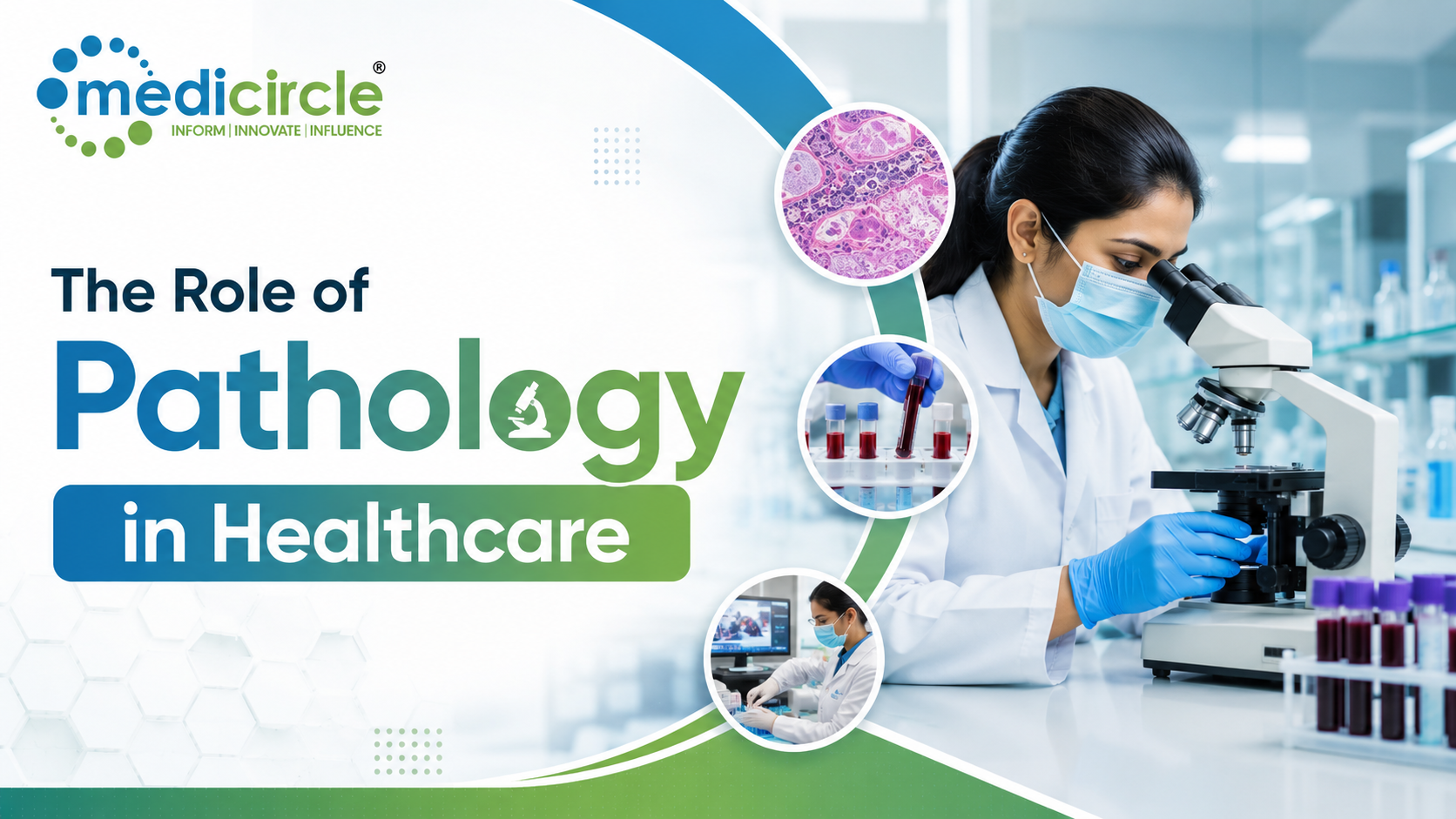
 Pathology underpins every major healthcare decision, from early disease detection and accurate diagnosis to treatment planning and preventive screening, making it indispensable to India's evolving healthcare system.





Introduction
Healthcare decisions that affect millions of lives every day rest on a foundation that most patients never see. Behind every confirmed diagnosis, every treatment plan, and every surgical outcome is a discipline that works quietly but critically: pathology. According to global estimates cited by clinical pathology bodies, approximately 70 to 80 percent of all major healthcare decisions involving diagnosis or treatment are informed by pathological findings. In India, where the burden of non-communicable diseases, infectious diseases, and cancer continues to grow, the importance of pathology in the healthcare system cannot be measured lightly.
Pathology is far more than laboratory work conducted in the background. It is the scientific bridge between a patient's symptoms and the precise understanding of what is causing them. It tells a clinician not just that something is wrong, but what is wrong, where it is, how far it has progressed, and in many cases, what treatment is most likely to work. As India's healthcare ecosystem evolves, understanding the role of pathology in healthcare becomes important not just for medical professionals but for every patient seeking credible, informed care.
Understanding Pathology: The Science Behind Every Diagnosis
Pathology is defined as the scientific study of the causes, mechanisms, and effects of disease. It encompasses the examination of tissues, cells, blood, urine, and other bodily fluids to identify abnormal changes and establish a diagnosis. The word itself comes from the Greek words "pathos," meaning suffering, and "logos," meaning study. However, modern pathology is anything but ancient in its methods.
There are two primary branches that form the backbone of diagnostic medicine:
- Clinical pathology focuses on the laboratory analysis of blood, urine, cerebrospinal fluid, and other biological specimens. It covers areas including haematology, clinical biochemistry, microbiology, immunology, and blood banking.
- Anatomical pathology involves the examination of tissues and organs, typically through biopsies, surgical specimens, and autopsies. Histopathology and cytopathology are its key subdivisions.
Beyond these two, molecular pathology has emerged as a rapidly growing subspecialty that analyses genetic and molecular alterations within cells. This is particularly transformative in oncology, where identifying specific gene mutations now determines which therapy a cancer patient receives.
In India, pathology departments operate across government medical colleges, private hospitals, standalone diagnostic chains, and community health centres under government schemes such as Ayushman Bharat and the National Health Mission. The quality and reach of these services directly influence health outcomes across the country.
Primary Role of Pathology in Disease Diagnosis
The most visible and well-understood function of pathology is diagnosis. When a physician examines a patient and suspects a condition, pathology provides the confirmatory evidence. This process unfolds across multiple steps.
When samples such as blood, tissue, or urine are collected from a patient, they are sent to a pathology laboratory for analysis. Trained pathologists and laboratory technicians then examine these samples using microscopes, automated analysers, chemical reagents, and increasingly, digital pathology tools. The findings are compiled into a pathology report that a treating clinician uses to confirm or rule out a diagnosis.
This process is especially critical in conditions where clinical symptoms alone are insufficient for accurate identification. Many diseases present with overlapping signs. Persistent fatigue could indicate anaemia, hypothyroidism, diabetes, or a serious haematological condition. A skin lesion could be benign or malignant. Without pathological confirmation, treatment decisions would be based on probability rather than certainty, which significantly increases the risk of error.
The Indian Council of Medical Research (ICMR) has consistently emphasised in its disease management guidelines that laboratory investigation is an essential component of standard diagnostic protocols for conditions ranging from tuberculosis and malaria to diabetes and cardiovascular disease.
Recognising How Pathology Supports Early Detection and Preventive Healthcare
One of the most powerful and underappreciated roles of pathology is its contribution to prevention. Most people associate pathology with illness that has already arrived. The reality is that pathology is often the first warning system, identifying risk and early change before a disease has the opportunity to cause serious harm.
Preventive pathology operates through three distinct mechanisms.
Screening involves testing defined populations or high-risk groups before symptoms appear. National screening programmes in India, such as the National Programme for Prevention and Control of Cancer, Diabetes, Cardiovascular Diseases and Stroke (NPCDCS), rely heavily on pathology-based investigations including blood glucose testing, lipid profiling, and cervical cytology.
Risk stratification uses laboratory data to classify patients by their likelihood of developing serious disease. A lipid panel combined with inflammatory markers such as high-sensitivity CRP helps cardiologists determine how aggressively a patient's cardiovascular risk must be managed, even before any cardiac event occurs.
Treatment monitoring is itself a preventive function. Regular HbA1c testing in diabetic patients ensures that glucose control remains adequate, preventing the progression to complications such as nephropathy, neuropathy, and retinopathy. eGFR monitoring in patients with chronic kidney disease alerts clinicians to worsening kidney function before it reaches a critical threshold.
In India, where lifestyle disease prevalence has risen sharply over the past two decades, preventive pathology represents one of the most cost-effective interventions available within both urban tertiary care and rural primary health settings.
Diagnosis and Medical Evaluation: How Pathologists Work With Clinicians
The relationship between a pathologist and a treating clinician is collaborative. Pathologists are not isolated laboratory specialists; they are diagnosticians who work within a multidisciplinary framework to ensure accurate, timely, and clinically relevant results.
When a clinician sends a sample for histopathological examination, the pathologist does not simply describe what is visible under the microscope. The pathologist interprets the cellular findings in the context of the clinical information provided, applies knowledge of disease patterns and tissue behaviour, and produces a report that speaks directly to the clinical question being asked.
In cancer diagnosis, this collaboration becomes particularly detailed. A biopsy from a suspicious mass is not just examined for the presence of malignancy. The pathologist determines the tissue of origin, the tumour grade, the presence of vascular or perineural invasion, the surgical margin status, and in many cases, specific molecular markers that guide targeted therapy decisions. This level of diagnostic precision directly determines what treatment the patient receives.
In infectious disease, the microbiologist within the pathology department identifies the causative organism and provides sensitivity patterns, which dictate which antibiotic or antifungal is appropriate. In haematology, blood film examinations and bone marrow biopsies diagnose complex blood disorders that would otherwise remain undetected.
India faces a significant challenge in this area. The country has a relatively low ratio of pathologists to population, and the distribution of diagnostic infrastructure remains uneven between urban centres and rural areas. Strengthening pathology capacity is therefore inseparable from the broader goal of universal health coverage under the Ayushman Bharat Digital Mission (ABDM).
Treatment Planning, Surgical Guidance, and the Role of Molecular Pathology
Pathology does not stop at diagnosis. Its contributions extend through the entire continuum of disease management, from the initiation of treatment to its ongoing evaluation.
Before surgery, pathological findings determine the nature and extent of the procedure required. During surgery, a technique called intraoperative frozen section analysis allows the operating surgeon to receive near-real-time feedback from the pathology department. Thin slices of tissue taken from the surgical field are rapidly frozen, stained, and examined under the microscope. The pathologist's findings help the surgeon determine whether the tumour margins are clear and whether additional tissue needs to be removed, all while the patient remains on the operating table.
After surgery, the full surgical specimen is formally examined by the pathologist. This post-operative report provides the most definitive information about the disease, forms the basis for staging, and guides adjuvant therapy decisions such as chemotherapy or radiation.
Molecular pathology has brought a further dimension to treatment planning. The identification of specific genetic mutations, such as EGFR mutations in lung cancer or HER2 amplification in breast cancer, enables oncologists to prescribe targeted therapies with significantly better outcomes than standard chemotherapy alone. India's oncology community has made notable progress in adopting molecular pathology into standard cancer care protocols, though access to these tests remains limited in lower-income settings.
Prevention and the Future of Pathology in Indian Healthcare
The future of pathology in India is shaped by several converging forces: technological advancement, expanding disease burden, policy frameworks, and the growing emphasis on preventive care.
Digital pathology, which involves scanning glass slides into high-resolution digital images that can be reviewed remotely, has enormous potential in a country where qualified pathologists are concentrated in metropolitan areas. Telepathology platforms can allow slides prepared at a district hospital to be reviewed by a specialist in a major city, dramatically improving diagnostic access.
Artificial intelligence tools trained on pathology images are showing strong performance in detecting malignant cells, estimating tumour grade, and identifying patterns that the human eye may miss. The integration of AI into routine diagnostic workflows is expected to improve throughput and reduce human error, particularly in high-volume settings.
From a public health standpoint, strengthening pathology infrastructure is directly relevant to India's ability to manage its disease burden. Tuberculosis, one of India's most significant public health challenges, requires microbiological diagnosis for accurate drug-sensitivity testing. Vector-borne diseases such as dengue and malaria require laboratory confirmation. Non-communicable diseases require regular biochemical monitoring. All of these demands converge on the pathology laboratory.
Platforms such as Medicircle contribute to this ecosystem by bringing credible, expert-led healthcare information to the public and the medical community alike. Awareness of when and why pathology tests are needed, what a pathology report means, and how patients can engage with their diagnostic results is as important as the tests themselves. Bridging the communication gap between healthcare experts and the people they serve is how trust in the healthcare system is built, one informed patient at a time.
Conclusion
Pathology is not a background function. It is a central pillar of modern medicine, and its influence extends from the first blood test ordered at a primary health centre to the molecular profiling conducted before initiating targeted cancer therapy. In India, as the healthcare system works to achieve universal coverage and better health outcomes, the strength and accessibility of pathology services will be a defining factor.
For patients, understanding the role of pathology in their own healthcare journey enables more informed conversations with their doctors and a greater appreciation for the precision that lies behind every diagnosis. For the medical community, investing in pathology infrastructure, trained personnel, and technological advancement is an investment in the quality of every clinical decision made. Pathology does not just study disease. It defines our ability to fight it.
Frequently Asked Questions
Q1: What is the role of pathology in healthcare?
Pathology is the scientific study of disease. It supports healthcare by enabling accurate diagnosis, guiding treatment decisions, monitoring disease progression, and identifying risks before symptoms appear. Pathologists examine tissues, blood, urine, and other samples to help clinicians understand what is happening inside a patient's body.
Q2: Why is pathology important in early disease detection?
Pathology tests can detect abnormal changes in cells and tissues before symptoms develop. For example, elevated HbA1c identifies pre-diabetes years before its complications set in, while cervical smear cytology detects pre-malignant changes before they progress to invasive cancer. Early detection through pathology allows timely intervention and significantly improves patient outcomes.
Q3: What is the difference between clinical pathology and anatomical pathology?
Clinical pathology involves the analysis of blood, urine, and other bodily fluids to diagnose diseases. Anatomical pathology focuses on examining tissue and organ samples, typically obtained through biopsies or surgeries, to understand structural and cellular changes caused by disease. Both branches work together in modern diagnostic medicine.
Q4: How does pathology guide cancer treatment in India?
In cancer care, pathology determines the exact type of cancer, its grade, and its stage. Molecular and genetic profiling of tumour samples helps oncologists identify mutations that can be targeted with precision therapies. This approach reduces unnecessary treatment, minimises side effects, and improves survival outcomes. In India, where cancer incidence is rising rapidly, pathology is central to building effective and affordable cancer care protocols.
Q5: What pathology tests should Indians include in their annual health checkup?
A comprehensive annual pathology panel for Indian adults typically includes a complete blood count, fasting blood glucose and HbA1c, lipid profile, liver function tests, kidney function tests with urine analysis, thyroid function tests, and vitamin D and B12 levels. Women should include a cervical smear from age 21, and men above 50 should discuss PSA testing with their doctor. Those with a family history of specific conditions may need earlier or additional investigations.
Resources
- Indian Council of Medical Research (ICMR): Guidelines, national disease burden data, and diagnostic protocols for Indian healthcare providers and the public.
- World Health Organization (WHO) India Country Office: Reports on disease prevalence, laboratory strengthening initiatives, and global pathology standards applicable to the Indian context.
- Ministry of Health and Family Welfare, Government of India (mohfw.gov.in): National health programmes including NPCDCS and cancer screening frameworks that depend on pathology services.
- Ayushman Bharat Digital Mission (ABDM): Information on India's digital health ecosystem and the integration of diagnostic laboratory services under universal health coverage goals.
- National Cancer Grid, Tata Memorial Centre: Evidence-based cancer management protocols, including pathology and molecular diagnostic standards adopted across Indian oncology centres.
Interlinking Keywords
pathology tests, clinical pathology, disease diagnosis, cancer diagnosis India, early detection, molecular pathology, preventive healthcare, HbA1c test, biopsy report, laboratory medicine, Ayushman Bharat, medical education India, ICMR guidelines, diagnostic laboratory
Last medically reviewed by:
Medicircle Medical Editorial Board on August 3, 2026
Medical Disclaimer:
This article is intended for general informational and educational purposes only. It does not constitute medical advice, diagnosis, or treatment. Readers are strongly advised to consult a qualified and registered medical professional for any health-related concerns, symptoms, or before undergoing any diagnostic tests or medical procedures. Medicircle does not endorse any specific diagnostic laboratory, hospital, or medical product. All clinical decisions should be made by licensed healthcare providers based on individual patient assessment.





-23-300x250.png)

.jpeg)


.jpg)
.jpg)
.jpg)
.jpg)
.jpg)
.jpg)
.jpg)
.jpg)
.jpg)