Tuesday, October 27, 2026
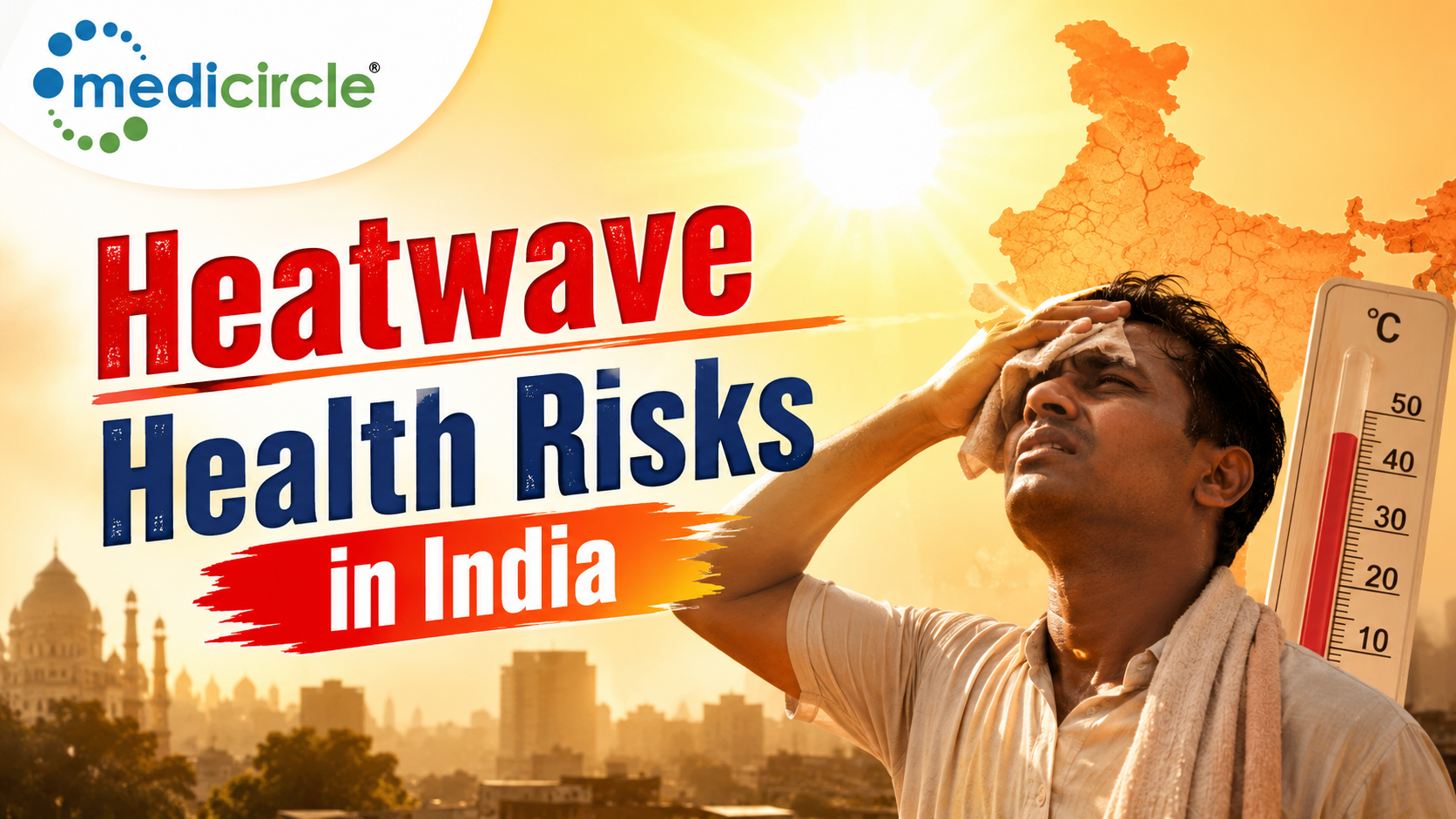
 Heatwaves pose serious and preventable health risks in India. This article covers heat exhaustion, heatstroke, high-risk groups, treatment, and Indian-specific prevention strategies.





Introduction
Every summer, millions of people across India face a growing and serious public health threat: the heatwave. Temperatures routinely crossing 42 to 46 degrees Celsius across states like Rajasthan, Uttar Pradesh, Odisha, Telangana, and Madhya Pradesh have made extreme heat a recurring medical emergency, not a temporary inconvenience.
According to the World Health Organization, heat-related mortality among people above 65 years of age increased by approximately 85 percent between 2000 and 2021 globally. In Asia, the burden is disproportionately large, accounting for nearly 45 percent of all heat-related deaths worldwide. India, with its combination of high ambient temperatures, dense urban populations, large numbers of outdoor workers, and significant burden of chronic disease, sits squarely at the centre of this public health challenge.
What makes this situation particularly concerning is that many of the health consequences of a heatwave are entirely preventable. The gap between what people know and what they actually do during extreme heat events often makes the difference between recovery and a medical emergency. This article aims to close that gap with clear, evidence-based information for the Indian reader.
Understanding What a Heatwave Actually Means for the Human Body
A heatwave is not simply a hot day. It is a prolonged period of abnormally high temperatures that exceeds the average climatic norm for a region, typically sustained over several consecutive days and nights. The combination of high daytime heat and warm nights prevents the body from recovering its baseline temperature through natural cooling mechanisms.
The human body is remarkably well-designed to regulate its internal temperature. Sweating, increased blood flow to the skin, and accelerated breathing all serve to release heat and keep core body temperature within a safe range. However, this system has clear physiological limits. When the environmental heat is too intense, or when humidity prevents sweat from evaporating efficiently, the body's cooling mechanisms become overwhelmed.
What follows is a cascade of increasingly serious health consequences. The heart works harder to pump blood to the skin for cooling. The kidneys come under stress due to fluid loss. Blood pressure drops as dehydration sets in. And in the most severe cases, the brain itself becomes affected, leading to confusion, loss of consciousness, and potentially death.
India's climate adds a specific complexity to this picture. High humidity in coastal and eastern states reduces the effectiveness of sweating as a cooling mechanism. The urban heat island effect in cities like Delhi, Mumbai, Hyderabad, and Ahmedabad means that city residents experience temperatures that are several degrees higher than surrounding rural areas because of concrete, asphalt, and limited green cover.
Primary Causes and Risk Factors Behind Heat-Related Illness
Understanding why some people develop serious heat-related illness while others do not requires looking at both environmental factors and individual vulnerabilities.
From an environmental standpoint, sustained high temperatures above 40 degrees Celsius, high relative humidity, poor ventilation in living or working spaces, and prolonged direct sun exposure are the leading contributors. In India, power cuts that disable fans and air conditioners during peak heat periods significantly worsen risk for vulnerable populations.
The urban heat island effect deserves special mention in the Indian context. Cities absorb and retain heat throughout the day and release it slowly at night. This means urban residents, particularly those in low-income housing with metal roofs, small rooms, and no access to cooling, can face dangerous nighttime temperatures that prevent the body from recovering adequately between hot days.
At the individual level, several factors increase the risk of heat-related illness significantly:
- Age is a major factor. Elderly individuals above 65 years have reduced capacity to sense heat, sweat less efficiently, and are more likely to be on medications such as diuretics, antihistamines, or antihypertensives that impair the body's response to heat. Children under five, on the other hand, generate heat faster relative to their body size and depend entirely on caregivers to protect them.
- Chronic conditions including heart disease, type 2 diabetes, chronic kidney disease, respiratory disorders, and neurological conditions all reduce the body's ability to adapt to heat stress.
- Outdoor workers such as construction labourers, agricultural workers, street vendors, and delivery personnel in India face prolonged sun exposure combined with physical exertion, placing them at very high risk. This is a group that is significantly underserved in public health preparedness.
- Pregnant women face increased metabolic demands during pregnancy that reduce heat tolerance and raise the risk of complications for both mother and foetus.
- People with limited access to water, shade, or cooling infrastructure face compounded risk, regardless of their health status.
Recognising the Symptoms: From Heat Cramps to Heatstroke
Heat-related illnesses exist on a spectrum of severity. Recognising where on that spectrum a person falls is critical for making the right response decision.
Heat Cramps are the mildest presentation. These are painful muscle spasms, most commonly in the legs, abdomen, or arms, that occur due to loss of salt and fluids through sweating during physical activity in hot conditions. They are a warning signal that the body is under heat stress.
Heat Exhaustion is a moderate and more serious condition. It occurs when the body loses significant fluid and salt without adequate replacement. A person experiencing heat exhaustion may present with heavy sweating, cool and pale skin, a fast but weak pulse, nausea, dizziness, headache, fatigue, and possible fainting. The body temperature in heat exhaustion is typically elevated but remains below 40 degrees Celsius. Rest, moving to a cool environment, and fluid replacement are essential at this stage.
Heatstroke is a life-threatening medical emergency. It occurs when the body temperature rises above 40 degrees Celsius, and the central temperature regulation system fails. The classic signs include confusion or altered mental status, very high body temperature, hot and often dry skin (sweating may stop), rapid and strong pulse, loss of consciousness, and seizures in severe cases. Heatstroke requires immediate emergency medical care. Every minute of delayed treatment increases the risk of irreversible organ damage and death.
Dehydration runs through all stages of heat illness and can itself trigger or worsen any of the above conditions. Symptoms include dry mouth, reduced or dark-coloured urine, fatigue, irritability, and in severe cases, kidney injury.
In the Indian context, one underappreciated symptom cluster is what might be called early heat stress: persistent fatigue, reduced concentration, irritability, and sleep disruption caused by warm nights. These subtle signs often go unrecognised but indicate that the body is under sustained thermal stress.
Diagnosis and Medical Evaluation
Heat exhaustion and early dehydration can often be recognised and managed without a formal medical consultation if they are identified early and appropriate first aid is applied promptly. However, any suspicion of heatstroke must be treated as a medical emergency requiring immediate hospital care.
In a clinical setting, the diagnosis of heat-related illness is primarily clinical, based on the presentation, body temperature, history of heat exposure, and associated symptoms. Investigations typically include blood tests to assess electrolyte levels, kidney function, liver enzymes, and in severe cases, markers of muscle breakdown (rhabdomyolysis). Urine output and colour are important indicators of hydration status.
People with pre-existing chronic conditions need careful evaluation because heat can trigger cardiac events, acute kidney injury, worsening of diabetic control, and respiratory decompensation. In patients on regular medications, a review of whether any drug is contributing to heat sensitivity is also an important clinical step.
India's National Health Mission and the Heat Action Plans developed by several state governments, particularly in Odisha, Ahmedabad, and Rajasthan, have established protocols for heat-related illness management in public hospitals. Medicircle supports awareness of these systems as part of its commitment to connecting people with credible, actionable healthcare information.
Treatment Options and Management Strategies
The cornerstone of treating heat-related illness is rapid cooling and fluid replacement. The speed with which cooling is achieved in heatstroke significantly determines outcomes.
For heat cramps and mild heat exhaustion, first aid measures are effective:
- Move the person to a cool, shaded, or air-conditioned environment immediately.
- Encourage oral rehydration with water, ORS, coconut water, or a light electrolyte solution.
- Remove excess clothing and apply cool, damp cloths to the skin.
- Use a fan to enhance evaporative cooling.
- Allow the person to rest for several hours before resuming activity.
For heatstroke, emergency cooling must begin immediately while awaiting or transporting to medical care:
- Immerse the person in cool water or apply ice packs to the neck, armpits, and groin where large blood vessels are close to the skin surface.
- Fan the person while misting the skin with cool water to enhance evaporative cooling.
- Do not give fluids orally if the person is confused or unconscious.
- Call for emergency medical help without delay.
At the hospital, intravenous fluid replacement, close monitoring of electrolytes and kidney function, cooling blankets, and supportive care are the mainstays of management. In cases with complications such as acute kidney injury or cardiovascular instability, intensive care may be required.
For people with chronic diseases, their treating physician should be consulted if symptoms change during a heatwave, as medication adjustments may be necessary. For example, certain blood pressure medications and diuretics can increase heat sensitivity.
Prevention and Proactive Health Measures for Indian Conditions
Prevention is where lives are saved during a heatwave. The most effective protection comes from a combination of behavioural changes, environmental modifications, and community awareness.
Hydration is the single most important preventive measure. Adults should aim to drink at least 2 to 3 litres of water daily during summer, regardless of whether they feel thirsty. Thirst is a late indicator of dehydration. Traditional Indian beverages such as buttermilk (chaas), aam panna (raw mango drink), nimbu paani with salt, and fresh coconut water are culturally appropriate, accessible, and highly effective at maintaining hydration and electrolyte balance. Alcohol and very sugary carbonated drinks should be avoided as they accelerate fluid loss.
Timing of outdoor activity matters enormously. Between 12 PM and 4 PM, solar radiation and ambient temperatures in most Indian cities reach their peak. Outdoor workers, children, and elderly individuals should avoid direct sun exposure during these hours. Where this is unavoidable, protective measures such as cotton or linen clothing that covers the arms and legs, wide-brimmed hats, and frequent rest breaks in shaded areas are essential.
Keeping homes cool through low-cost methods is possible even for households without air conditioning. Cross-ventilation at night when outdoor temperatures drop, keeping windows and curtains closed during the day to block direct sunlight, using wet cloth or khus (vetiver) screens, and placing wet earthen pots (matkas) at doorways are traditional practices that are both effective and sustainable in the Indian context.
Monitoring vulnerable family members during a heatwave is a community responsibility. Elderly relatives, infants, and people with chronic illness should be checked on regularly. Ensuring they are drinking enough fluids, staying in a cool environment, and not showing early signs of heat illness can prevent a crisis from developing.
Workplace safety is a significant concern in India given the large proportion of outdoor and informal workers. Heat Action Plans, shade provision, mandatory rest periods, and access to cool drinking water at construction and agricultural sites are not just best practices but public health necessities.
Conclusion
Heatwaves in India are no longer seasonal disruptions. They are a growing public health crisis that demands informed, proactive responses from individuals, families, healthcare providers, and policymakers alike. The good news is that the vast majority of heat-related illnesses and deaths are preventable with the right knowledge and timely action.
Understanding the progression from heat cramps to heatstroke, recognising who is most at risk, knowing when to seek immediate medical care, and adopting simple but effective preventive strategies can collectively save lives. For high-risk groups such as the elderly, young children, outdoor workers, and people with chronic diseases, the stakes during a heatwave are particularly high, and awareness is the most powerful protective tool available.
Medicircle remains committed to bringing credible, expert-led health information to the people and communities who need it most. As India navigates the intensifying challenge of extreme summer heat, platforms that simplify and amplify responsible healthcare communication have an increasingly important role to play in protecting public health.
Frequently Asked Questions
Q1: What are the first signs of heat exhaustion during a heatwave?
The first signs of heat exhaustion include heavy sweating, dizziness, nausea, headache, muscle weakness, and a rapid but weak pulse. The skin typically feels cool and pale. Moving to a cool place, drinking fluids, and resting immediately can prevent the condition from progressing to heatstroke.
Q2: How is heatstroke different from heat exhaustion?
Heatstroke is a medical emergency where the body temperature rises above 40 degrees Celsius, and the body's cooling system fails. Unlike heat exhaustion, heatstroke can cause confusion, loss of consciousness, and hot dry skin with little or no sweating. Immediate medical attention is essential.
Q3: Who is most at risk during a heatwave in India?
Elderly individuals above 65 years, children under 5, pregnant women, outdoor and construction workers, and people with chronic illnesses such as heart disease, diabetes, or kidney disorders are the most vulnerable groups during a heatwave in India.
Q4: Can a heatwave worsen existing chronic diseases?
Yes. Extreme heat places additional physiological stress on the body and can worsen conditions including cardiovascular disease, diabetes, chronic kidney disease, asthma, and mental health disorders. People with these conditions must take extra precautions and consult their doctor if symptoms change during hot weather.
Q5: What should someone drink during a heatwave to stay hydrated?
Water is the primary recommended fluid. Coconut water, oral rehydration solution (ORS), buttermilk, and fresh lime water with a pinch of salt are also beneficial during extreme heat. Alcohol, caffeinated beverages, and very sugary drinks should be avoided as they can accelerate dehydration.
Resources
- World Health Organization (WHO): Heat and Health Fact Sheet. Authoritative global guidance on heat-related illness, risk factors, prevention strategies, and public health response.
- Indian Council of Medical Research (ICMR): Guidelines and Publications on Climate and Health. Evidence-based Indian research and policy guidance on heat-related disease burden and management.
- Ministry of Health and Family Welfare (MoHFW), Government of India: National Heat Action Plan guidelines and seasonal public health advisories.
- National Disaster Management Authority (NDMA), India: Heat Wave Guidelines for Action. State-level and community-level preparedness frameworks for extreme heat events in India.
- The Lancet Countdown on Health and Climate Change: Annual tracking report on global heat-related mortality and the intersection of climate change with public health outcomes.
Interlinking Keywords:
heat exhaustion symptoms, heatstroke treatment, summer health tips India, dehydration prevention, chronic disease and heat, outdoor worker health safety, heatwave preparedness India, heat-related illness first aid
Last medically reviewed by:
Editorial Medical Team, Medicircle on 30 July 2026
Medical Disclaimer:
This article is intended for general health awareness and educational purposes only. It does not constitute medical advice, diagnosis, or treatment. Readers experiencing symptoms of heat exhaustion, heatstroke, or any other health emergency should seek immediate medical attention. People with pre-existing medical conditions should consult their treating physician before making changes to their health routines during extreme weather events. Medicircle does not endorse any specific product, treatment, or healthcare facility.





-23-300x250.png)

.jpeg)






.jpg)
.jpg)
.jpg)
.jpg)
.jpg)
.jpg)
.jpg)
.jpg)
.jpg)