Sunday, October 25, 2026
.jpeg)
 India's preventive medicine future is shaped by AI, genomics, wearables, telemedicine, and Ayushman Bharat, collectively driving a shift from reactive treatment to proactive, personalised, and equitable health management.





Introduction
India stands at a defining crossroads in its healthcare journey. For decades, the country's medical system has been oriented largely around treating illness after it strikes. But a significant and necessary shift is now underway. The future of preventive medicine is no longer a distant concept discussed only in academic circles. It is actively being shaped by technology, policy reform, and a growing awareness among Indian citizens that good health is built long before a disease takes hold.
The numbers make the urgency clear. India carries one of the world's heaviest burdens of non-communicable diseases. Diabetes, cardiovascular conditions, chronic respiratory diseases, and cancer account for a growing proportion of deaths and disabilities across the country. According to data from the Indian Council of Medical Research (ICMR), non-communicable diseases now contribute to over 60 percent of all deaths in India. The economic cost is equally significant, with households spending substantial portions of their income on treatment-related expenses, often pushing families into financial distress.
Against this backdrop, preventive medicine is not simply a medical philosophy. It is a public health imperative. And increasingly, it is a domain that is being transformed by artificial intelligence, genomics, digital health tools, government-backed initiatives, and a new kind of patient who is informed, engaged, and willing to take charge of their own health.
Platforms like Medicircle are playing a meaningful role in this transformation by bringing expert healthcare voices, clinical insights, and patient education together in one trusted space, helping bridge the gap between medical knowledge and the people who need it most.
Understanding Preventive Medicine: The Foundation
Preventive medicine, at its core, is the branch of healthcare that focuses on protecting, promoting, and maintaining the health of individuals and communities before disease occurs, or before it progresses to a more serious stage. The field is traditionally divided into three levels of prevention, each addressing a different point in the trajectory of a disease.
Primary prevention focuses on stopping a disease before it ever begins. Vaccination programmes, tobacco cessation initiatives, dietary guidance, and physical activity promotion all fall under this category. Secondary prevention is concerned with early detection, identifying disease at its earliest and most treatable stage through screenings and diagnostics. Tertiary prevention addresses the management of existing disease to reduce its severity, prevent complications, and improve long-term quality of life.
These three pillars have always formed the bedrock of public health. What is changing now is not the philosophy behind them but the tools being used to deliver them. Technology is enabling prevention to become more personalised, more precise, and more accessible than at any previous point in history.
The Shift From Reactive to Proactive Healthcare in India
The traditional model of Indian healthcare has been largely reactive. Patients visit a doctor when something goes wrong. Hospitals are built around the infrastructure of acute care. Health insurance, particularly under public schemes, has historically been skewed toward hospitalisation and surgery rather than wellness and prevention.
This model is being challenged on multiple fronts. The Government of India has recognised the need for a structural shift and has embedded preventive healthcare into its flagship programmes. The Ayushman Bharat initiative, one of the most ambitious public health programmes in the world, includes a network of Health and Wellness Centres (HWCs) designed to deliver comprehensive primary and preventive care to communities at the grassroots level. These centres provide screenings for non-communicable diseases, maternal and child health services, mental wellness support, and basic diagnostic capabilities, all at the community level and largely free of cost.
The Ayushman Bharat Digital Mission (ABDM) is building the digital backbone for this transition. By creating a unified health identity for every Indian citizen through the Ayushman Bharat Health Account (ABHA), the mission aims to ensure that health records are portable, accessible, and useful for both patients and providers across the care continuum. This digital infrastructure is foundational to preventive medicine because it enables continuity of care, longitudinal health tracking, and data-driven risk identification.
The National Programme for Prevention and Control of Non-Communicable Diseases (NP-NCD) further reinforces this direction, providing a structured framework for screening, early detection, and management of conditions like diabetes, hypertension, and certain cancers at the population level.
Technology Reshaping the Future of Preventive Medicine
Artificial Intelligence and Predictive Risk ToolsArtificial intelligence is perhaps the most transformative force reshaping preventive medicine globally, and its application in India is growing rapidly. AI enables healthcare systems to analyse large volumes of clinical, genomic, and lifestyle data to identify individuals who are at elevated risk of developing specific diseases, sometimes years before any symptoms appear.
In the Indian context, AI is being applied in several high-impact areas:
- AI-assisted screening for diabetic retinopathy, a leading cause of preventable blindness in India, is being piloted across several states, dramatically improving the reach of specialist-level diagnostics.
- Machine learning models are being used to predict cardiovascular risk in populations with high rates of hypertension and dyslipidaemia.
- AI-powered tools for tuberculosis detection from chest X-rays are helping address India's significant TB burden with faster and more accurate results.
- Predictive analytics platforms are being developed to support primary care physicians in identifying patients who may benefit from preventive interventions before chronic conditions escalate.
The potential of AI in prevention is significant, but it must be implemented thoughtfully. Data quality, algorithmic bias, and the risk of over-reliance on digital tools without adequate clinical oversight remain important concerns that the Indian healthcare ecosystem must address as adoption scales.
Genomics and Personalised PreventionThe science of genomics is enabling a fundamentally new approach to prevention, one that accounts for individual biological differences rather than applying the same guidance to everyone. Genomic testing can identify inherited susceptibilities to conditions such as certain cancers, cardiovascular disease, and diabetes, allowing high-risk individuals to take targeted preventive action.
India presents both a significant opportunity and a unique challenge in this space. The Indian population is genetically diverse, and many of the genomic datasets that inform international risk prediction models have been built primarily on Caucasian populations. This limits their direct applicability to Indian patients. Developing India-specific genomic datasets and risk models is a critical research priority, one that institutions like ICMR and the Department of Biotechnology are beginning to address through initiatives like the IndiGen programme.
Pharmacogenomics, the study of how genetic variation influences an individual's response to medications, is also emerging as a valuable preventive tool. It has the potential to reduce adverse drug reactions and improve prescribing precision, particularly for chronic disease management in Indian populations.
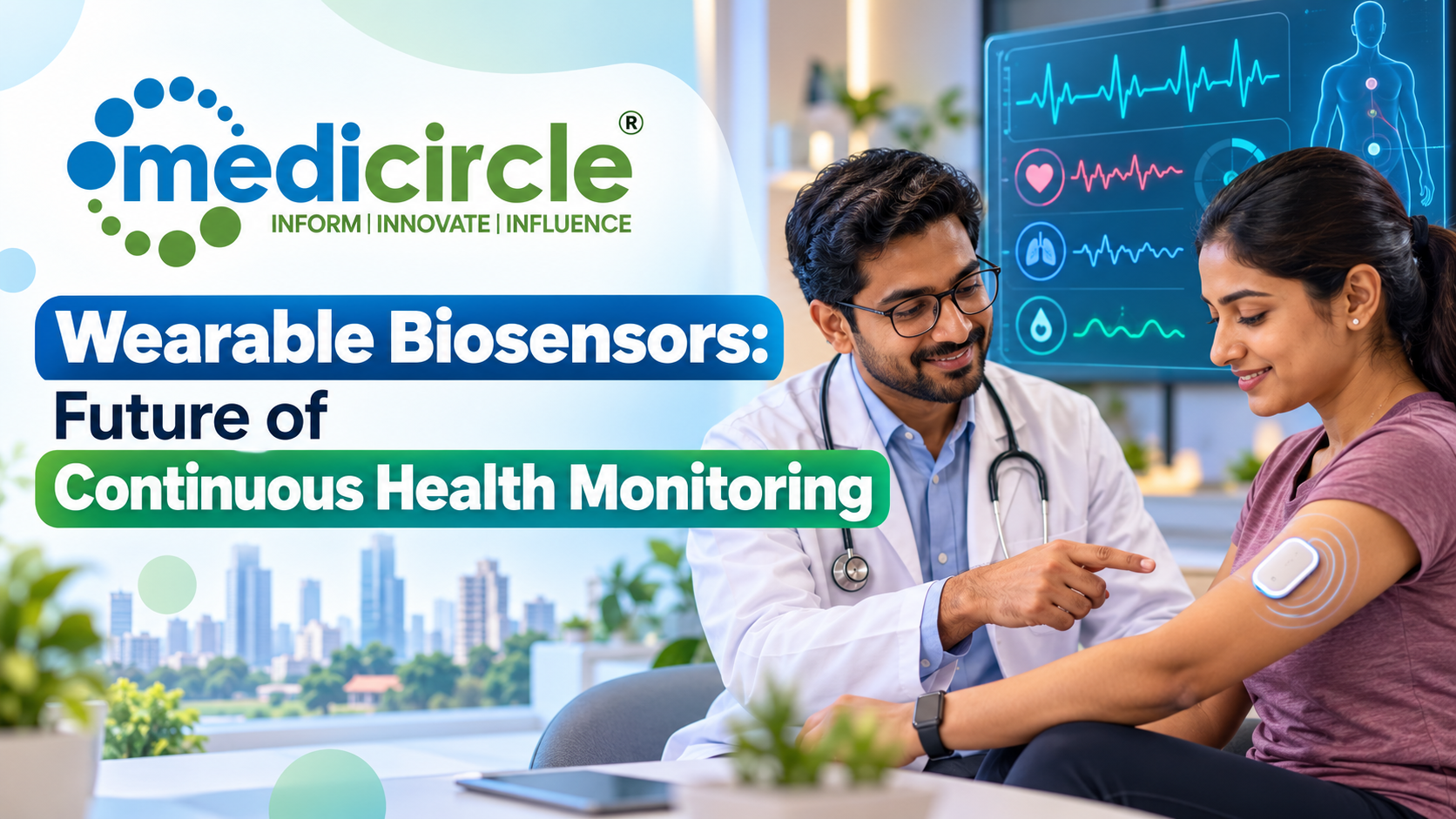
Wearable Health Technology and Continuous MonitoringWearable devices have evolved far beyond fitness trackers. Today's health wearables can continuously monitor heart rhythms, blood oxygen saturation, sleep quality, physical activity, and in some cases, blood glucose levels. The data generated by these devices, when interpreted through intelligent software, can flag early warning signs of cardiac arrhythmias, sleep disorders, metabolic dysfunction, and other conditions.
In India, the adoption of wearable health technology is growing, particularly among urban, health-conscious consumers in Tier 1 cities. As device costs decline and smartphone penetration deepens, the potential for wearables to serve as an early warning system for preventive health monitoring across wider Indian populations is substantial. However, ensuring that the benefits of wearable health technology reach rural populations and lower-income groups will require targeted policy support and affordable device ecosystems.
Telemedicine and Expanding the Reach of Preventive CareThe COVID-19 pandemic fundamentally accelerated the adoption of telemedicine in India. The Telemedicine Practice Guidelines issued by the Ministry of Health and Family Welfare in 2020 provided a regulatory framework that enabled doctors to consult patients remotely, a development that has had lasting implications for preventive care delivery.
Telemedicine makes preventive care more accessible by removing geographical and logistical barriers. A patient in a Tier 3 city or rural area can receive a preventive health consultation, follow-up on screening results, or access nutritional and lifestyle counselling from a qualified specialist without the need to travel to a major hospital. For a country where the physician-to-patient ratio remains below recommended levels and where specialists are heavily concentrated in urban centres, telemedicine is not merely a convenience. It is a structural solution to an equity problem.
Preventive Medicine in the Context of India's Disease Burden
India's disease landscape presents specific priorities for preventive medicine. Diabetes is estimated to affect over 100 million Indians, with a comparable number in the prediabetic range. Cardiovascular disease is the leading cause of death. Tobacco-related cancers, cervical cancer, and breast cancer represent significant and largely preventable causes of cancer mortality.
Each of these conditions responds strongly to preventive intervention. Early detection of prediabetes and targeted lifestyle modification can prevent or significantly delay the onset of type 2 diabetes. Tobacco cessation programmes dramatically reduce the risk of multiple cancers and cardiovascular events. Cervical cancer, caused predominantly by human papillomavirus (HPV), is almost entirely preventable through vaccination and regular screening.
India has made meaningful strides in some of these areas. The national HPV vaccination drive for adolescent girls is a major step forward. The expansion of NCD screening under Ayushman Bharat Health and Wellness Centres is reaching millions. But coverage remains uneven, and significant gaps persist between urban and rural populations, between educated and less-educated communities, and between those with access to digital tools and those without.
The Role of Lifestyle, Diet, and Mental Health in Prevention
Preventive medicine in India cannot be discussed without acknowledging the role of lifestyle factors. The rapid urbanisation of the past two decades has brought with it significant lifestyle changes, increased sedentary behaviour, processed food consumption, disrupted sleep patterns, and chronic stress, all of which are independent risk factors for the major non-communicable diseases.
Indian dietary patterns, while traditionally rich in plant-based foods and spices with documented health benefits, have shifted in many urban households toward high-carbohydrate, high-fat, and high-sodium diets. Addressing this through public education, food labelling reform under the Food Safety and Standards Authority of India (FSSAI), and community-level nutrition awareness programmes is an essential component of preventive medicine.
Mental health is increasingly recognised as an inseparable dimension of overall health. The National Mental Health Survey of India has highlighted a large and largely unmet burden of mental health conditions across the country. Preventive mental health interventions, including stress management programmes, early identification of anxiety and depression, and community mental health outreach, need to be integrated into the broader preventive healthcare framework.
Challenges in Building a Prevention-First Healthcare System in India
Despite the momentum behind preventive medicine, significant challenges remain in making it the dominant paradigm of Indian healthcare.
Health literacy remains low in many parts of the country. A large proportion of the population, particularly in rural and semi-urban areas, still lacks awareness of the importance of regular health screenings, risk factor management, and early intervention. Building this awareness requires sustained investment in public health communication, in multiple languages and across diverse media channels.
The infrastructure for preventive care, while improving, is not yet adequate at scale. Many primary health centres and community health centres lack the equipment, trained personnel, and supply chains needed to deliver consistent preventive care services. Strengthening primary healthcare is foundational to any serious national preventive medicine strategy.
Data privacy and security represent important concerns in a digitally-enabled preventive health ecosystem. As more health data is collected through wearables, digital health records, and AI platforms, ensuring that this data is protected and used ethically is essential to maintaining public trust.
Finally, there is the challenge of financing. Preventive care has historically been underfunded relative to curative care, both in government budgets and private insurance products. Incentivising prevention through insurance structures, employer wellness programmes, and government subsidies for preventive diagnostics is a policy shift that India urgently needs.
Conclusion
The future of preventive medicine in India holds genuine promise. The convergence of artificial intelligence, genomics, digital health infrastructure, wearable technology, and a more engaged and informed population is creating conditions for a meaningful shift from treating disease to preventing it. Government programmes like Ayushman Bharat and ABDM are providing the policy and infrastructure foundation for this shift. Healthcare platforms committed to credible, expert-led health communication are helping build the awareness and trust that population-level prevention requires.
But technology and policy alone will not complete this transformation. Equitable access, strong health literacy, culturally relevant prevention strategies, and a healthcare system that values and rewards prevention as much as cure are equally essential. India has the opportunity to lead the world in building a preventive healthcare model suited to one of the most complex and diverse populations on earth. The time to accelerate that journey is now.
Frequently Asked Questions
Q1: What is preventive medicine and why is it important in India?
Preventive medicine focuses on stopping disease before it develops rather than treating it after symptoms appear. In India, where the burden of non-communicable diseases like diabetes, hypertension, and heart disease is growing rapidly, preventive medicine helps reduce hospitalisation costs, improve quality of life, and ease pressure on an already stretched healthcare system.
Q2: How is artificial intelligence being used in preventive healthcare in India?
AI is being used across Indian healthcare for early disease detection through medical imaging, personalised risk scoring, predictive analytics for chronic conditions, and clinical decision support. Startups and hospitals are also deploying AI-powered screening tools for conditions like diabetic retinopathy, tuberculosis, and cardiovascular risk.
Q3: What role does Ayushman Bharat play in promoting preventive health in India?
Ayushman Bharat includes the Health and Wellness Centres component, which is specifically designed to deliver comprehensive primary and preventive healthcare to rural and semi-urban populations. These centres provide screenings for non-communicable diseases, maternal and child health services, and basic diagnostic support at the community level.
Q4: Are wearable health devices relevant for Indian consumers?
Yes. The adoption of wearable health devices is growing in India, particularly in Tier 1 cities among younger, health-conscious consumers. Devices that track heart rate, blood oxygen, sleep quality, and physical activity are increasingly popular. As prices fall and awareness grows, adoption is expected to extend to Tier 2 and Tier 3 cities as well.
Q5: What are the biggest challenges in scaling preventive medicine across India?
Key challenges include unequal access to digital infrastructure, low health literacy in rural areas, affordability of advanced diagnostics, shortage of trained preventive medicine specialists, and the need for stronger data privacy regulations. Bridging these gaps will require coordinated efforts from the government, private sector, and civil society.
Resources
- Indian Council of Medical Research (ICMR): Guidelines, disease burden data, and public health research relevant to non-communicable diseases and preventive medicine in India.
- World Health Organization (WHO) India Country Office: Reports on disease prevention, health promotion, and primary healthcare strengthening in the Indian context.
- Ministry of Health and Family Welfare, Government of India (mohfw.gov.in): Policy documents, national health programmes, and Telemedicine Practice Guidelines.
- Ayushman Bharat Digital Mission (abdm.gov.in): Information on India's national digital health infrastructure, ABHA health accounts, and health data standards.
- National Health Portal of India (nhp.gov.in): Public health education resources, screening programme information, and NCD prevention guidelines for Indian citizens.
Interlinking Keywords
preventive medicine India, Ayushman Bharat Health and Wellness Centres, AI in Indian healthcare, telemedicine in India, non-communicable diseases India, wearable health devices, early disease detection, digital health India, genomics and personalised prevention, ABDM health records, primary healthcare India, diabetes prevention India
Last Medically Reviewed by:
Editorial Medical Team, Medicircle on 31 July 2026
Medical Disclaimer:
The information provided in this article is intended for general awareness and educational purposes only. It does not constitute medical advice, diagnosis, or treatment. Readers are strongly advised to consult a qualified and registered medical professional before making any health-related decisions or changes to their current treatment or lifestyle plan. Medicircle does not endorse any specific product, test, therapy, or clinical procedure mentioned in this article





-23-300x250.png)

.jpeg)


.jpg)
.jpg)
.jpg)
.jpg)
.jpg)
.jpg)
.jpg)
.jpg)
.jpg)