 Thursday, October 08, 2026
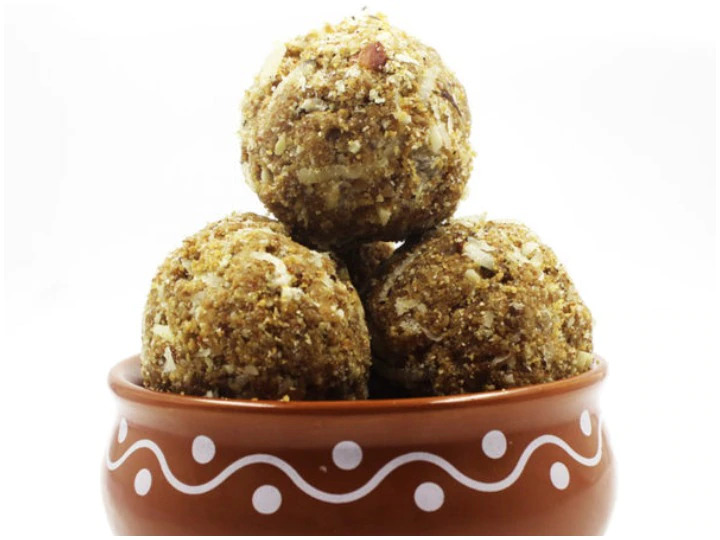
 The magic of Methi (Fenugreek) seeds, From blood sugar wizardry to digestive delights, Fenugreek seeds brings a dash of health and a sprinkle of tradition to your plate. Let’s explore the health benefits of methi seeds and their connection to the beloved Indian sweet, methi ke ladoo!




Methi, also known as fenugreek, is a staple in Indian cuisine and traditional medicine, known for its distinct flavour and numerous health benefits. From aiding digestion to managing diabetes, this humble spice has garnered attention worldwide. One delightful way of incorporating methi into one's diet is by enjoying "methi ke ladoo," a traditional Indian sweet made from fenugreek seeds.
The Health Benefits of Methi (Fenugreek) Seeds
1. Regulating Blood Sugar Levels
Methi seeds contain compounds that may help in managing blood sugar levels. Studies have shown that fenugreek can improve glucose tolerance and lower blood sugar levels in individuals with diabetes.
2. Digestive Health
Methi seeds are rich in dietary fiber, aiding in digestion and promoting a healthy digestive tract. The fiber content can help alleviate constipation and other digestive issues.
3. Heart Health
Fenugreek seeds may contribute to heart health by reducing cholesterol levels, blood pressure, and the risk of heart disease. The soluble fiber in methi helps in lowering cholesterol levels.
4. Weight Management
Fenugreek seeds can aid in weight management by promoting a feeling of fullness and reducing overall calorie intake. It may also boost metabolism.
5. Hormonal Balance
Methi seeds have been traditionally used to support hormonal balance in women, particularly during menstruation and menopause.
6. Anti-inflammatory Properties
Fenugreek seeds possess anti-inflammatory properties and may aid in managing conditions like arthritis and inflammation.
7. Rich in NutrientsFenugreek seeds are a good source of vitamins, minerals, and antioxidants. They contain iron, magnesium, manganese, and B vitamins.
Methi ke Ladoo: An Indian Connection
Methi ke ladoo, a traditional Indian sweet made from fenugreek seeds, offers a delightful and nutritious way to enjoy the health benefits of methi. The ladoos are prepared by roasting fenugreek seeds and combining them with other ingredients like ghee (clarified butter), jaggery (unrefined sugar), and assorted nuts. This amalgamation creates a delicious and aromatic treat.
In Indian culture, methi ke ladoo is often prepared for new mothers as it is believed to aid in postpartum recovery and boost lactation. The ingredients used, including fenugreek seeds, are considered to have rejuvenating and nourishing properties, making them beneficial during this crucial phase.
The presence of fenugreek seeds in methi ke ladoo enhances its nutritional value. As a well-loved traditional sweet, methi ke ladoo continues to be an integral part of Indian culinary heritage, offering both taste and health benefits.
In conclusion, methi, or fenugreek seeds, present a treasure trove of health benefits, ranging from blood sugar regulation to digestive health. The Indian tradition of creating methi ke ladoo exemplifies how this humble spice can be transformed into a delightful and nourishing treat, reinforcing the rich and diverse tapestry of Indian cuisine and culture.





.jpeg)








.jpg)
.jpg)
.jpg)
.jpg)
.jpg)
.jpg)


.jpg)
.jpg)
.jpg)