 Tuesday, October 27, 2026
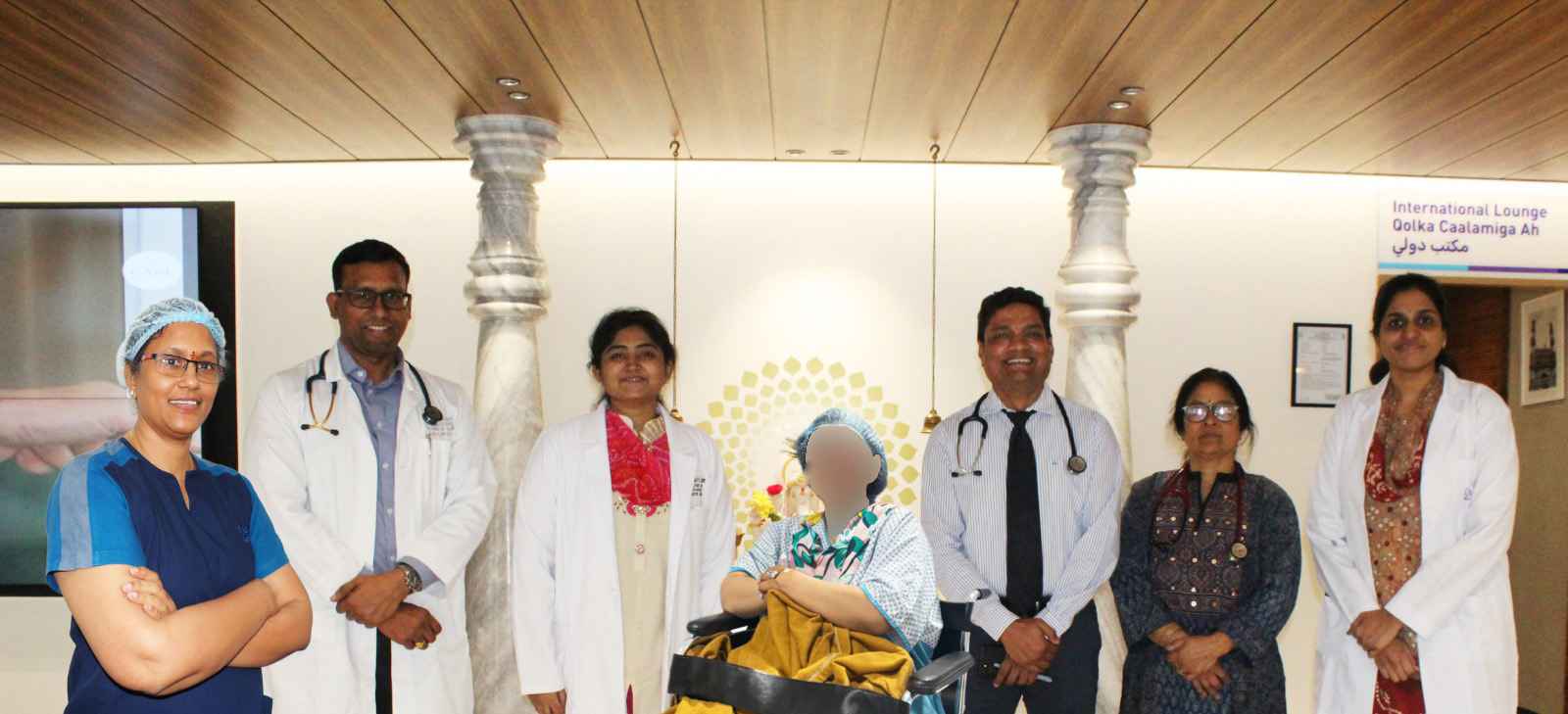
 In a rare and medically complex case, doctors at CARE Hospitals, Hitech City successfully managed a high-risk IVF pregnancy complicated by severe rheumatic heart disease, ensuring the safety of both mother and baby, an outcome considered extremely challenging in medical practice.




Hyderabad, 14th February, 2026: In a rare and medically complex case, doctors at CARE Hospitals, Hitech City successfully managed a high-risk IVF pregnancy complicated by severe rheumatic heart disease, ensuring the safety of both mother and baby, an outcome considered extremely challenging in medical practice.
Ms. Shalini (Name changed), a 47-year-old woman, presented to the emergency department at 31 weeks and 3 days of pregnancy with severe breathlessness and persistent cough for two days that did not respond to routine medication. This was an unbooked IVF conception, further complicated by a previous Caesarean section, beta-thalassemia trait, and hypothyroidism, placing her at exceptionally high risk.
Given her symptoms, doctors suspected an underlying cardiac condition. A 2D echocardiogram confirmed Chronic Rheumatic Heart Disease (CRHD) with severe mitral stenosis, along with mild involvement of other heart valves and pulmonary arterial hypertension. As per WHO classification, this condition falls under Class IV, where pregnancy carries an extremely high risk of maternal complications and is generally considered contraindicated.
The patient was immediately shifted to critical care and stabilized with intensive medical management, including diuretics, heart-rate-controlling medication, and blood transfusions. A dedicated multidisciplinary team comprising cardiologists, obstetricians, anaesthesiologists, intensivists, and neonatologists worked together to carefully balance maternal safety while prolonging the pregnancy to improve fetal outcomes.
Despite the seriousness of her condition, the pregnancy was successfully continued from 31 to nearly 35 weeks under close monitoring. Steroids were administered to aid fetal lung maturity, and fetal heart rate was monitored regularly.
After meticulous planning and informed consent, an elective Lower Segment Caesarean Section (LSCS) was performed (34 weeks and 4 days) under combined spinal and epidural anesthesia to minimize cardiac stress. The surgery was uneventful.
The baby was born preterm but stable, cried immediately after birth, and was monitored in the NICU for 4–5 days before being discharged in good health. The mother remained hemodynamically stable throughout the peri-operative period and was monitored in the SICU and ICCU before being shifted to the ward.
The patient has now recovered well and is being discharged, with detailed follow-up advice.
Dr. Abhinaya Alluri, Senior Consultant - Obstetrician, Gynaecologist, Laparoscopic Surgeon, Infertility Specialist, CARE Hospitals, Hitech City, said, “Pregnancy in women with severe rheumatic heart disease is one of the most challenging situations in obstetrics. This was a rare and extremely high-risk case, especially given the patient’s age and IVF conception. Early suspicion, timely cardiac evaluation, and coordinated multidisciplinary care helped us achieve a safe outcome for both mother and baby. Breathlessness during pregnancy should never be ignored, as heart disease often goes undiagnosed.”
Dr. Ashutosh Kumar, Clinical Director Cardiology & Electrophysiology (EP), said, “Late pregnancies are increasingly common and often associated with conditions like hypertension and diabetes. This case was complex as the patient had chronic rheumatic heart disease with severe mitral valve disease and thalassemia, which significantly increased the risk of heart failure and pulmonary edema. She came to us in a critical condition, but with timely intervention and strong teamwork, we were able to stabilise her and ensure a safe delivery, with both mother and baby doing well.”
The case was successfully managed with the support of a highly experienced multidisciplinary team including Dr. Rahul Agrawal, Head of the Department & Clinical Director – Internal Medicine, Senior Consultant Physician, Diabetologist, Infectious Disease Specialist & Geriatric Care Specialist; Dr. K. Sailaja, Senior Consultant – Pulmonology; Dr. Sailaja, Senior Consultant – Anaesthesiology; and Dr. Priyanka Reddy Nagaradona, Consultant – Paediatrics, along with specialists from cardiology, obstetrics, critical care, and neonatology who worked in close coordination to ensure optimal maternal and neonatal outcomes.
This case underscores the importance of early detection, specialised cardiac-obstetric care, and multidisciplinary collaboration, particularly as India witnesses a rise in advanced maternal age and IVF pregnancies.





-23-300x250.png)

.jpeg)






.jpg)
.jpg)
.jpg)
.jpg)
.jpg)
.jpg)
.jpg)
.jpg)
.jpg)

