Sunday, October 25, 2026
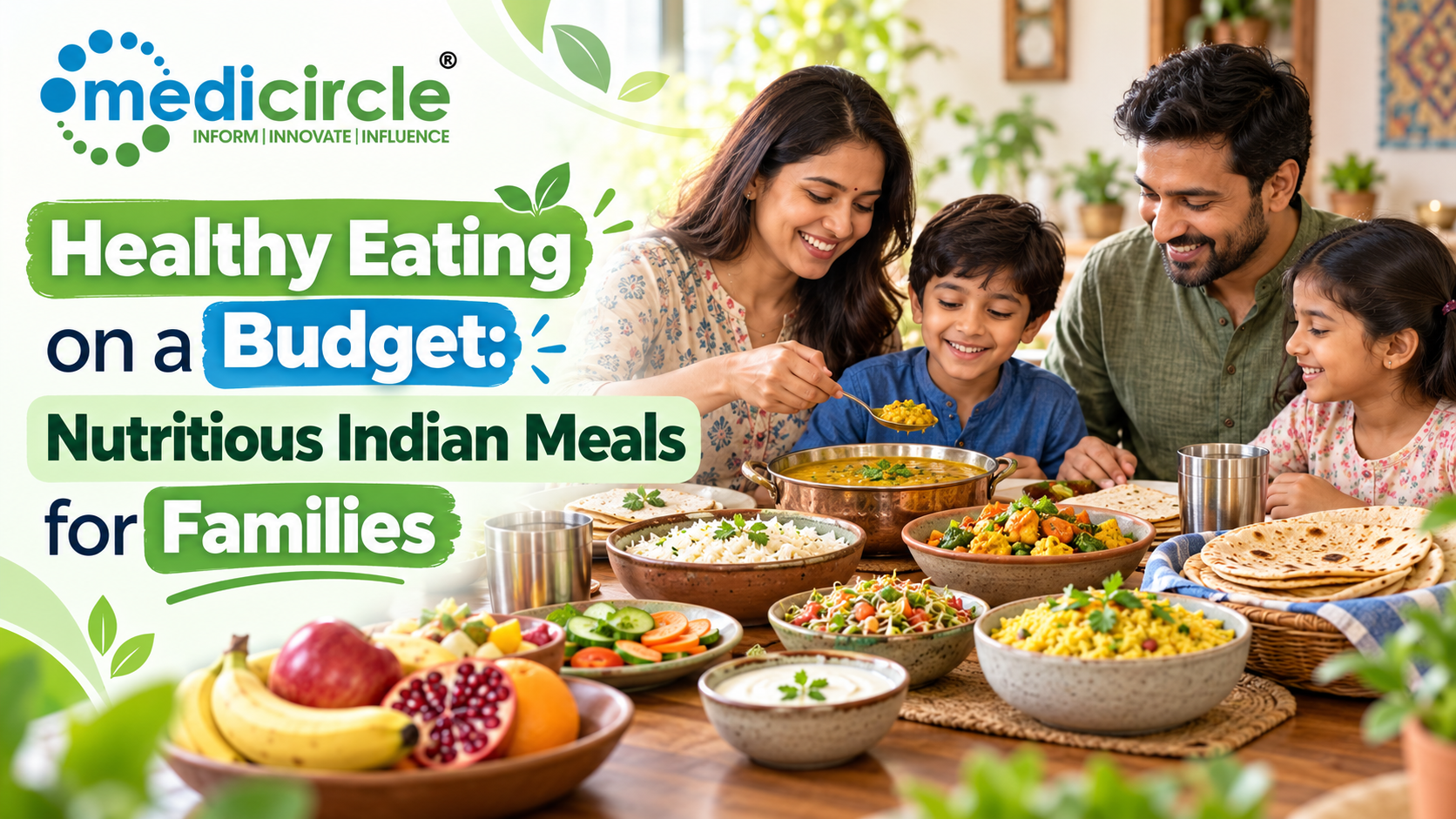
 Healthy family meals can stay affordable by using pulses, eggs, seasonal vegetables, whole grains, batch cooking, smart storage, and simple meal planning while maintaining balanced nutrition and reducing food waste.




If you cook for a family in India, you know the balancing act: stretching a limited budget while trying to feed everyone well. Between work, school, festivals and shifting market prices, it's easy to feel overwhelmed. This guide speaks to that reality and offers practical, culturally relevant ways to prepare healthy budget meals without losing flavor or nutrition.
We will explore what healthy eating means in everyday terms, why it matters for your family's well-being, and realistic strategies you can use right away. Expect sample meal ideas, shopping and meal planning tips, and answers to common questions families ask. This is about making nutritious choices accessible and sustainable in Indian homes.
What it meansFamily nutrition does not require exotic ingredients or expensive health foods. At its core, healthy family meals provide a balance of energy, protein, healthy fats, vitamins and minerals. For most Indian families this can be achieved using staples you already know: whole grains, pulses, seasonal vegetables, dairy or plant proteins, and modest amounts of oil and spices.
When we say budget meals, we mean meals planned to keep costs reasonable while still aiming for nutrition balance. A healthy meal on a budget focuses on:
- Affordable protein sources such as pulses and eggs instead of only relying on costly meats.
- Seasonal vegetables which are cheaper and fresher.
- Whole grains like rice, millets, and whole wheat instead of ultra-processed options.
- Home cooking to control salt, oil and added sugars.
Remember that 'budget' does not mean calorie-dense and nutrient-poor. With a little planning, you can make meals that are both affordable and nourishing.
Why it mattersGood nutrition in childhood and adolescence supports growth, learning and immunity. For adults, it supports work performance and long-term health. Even small improvements in meal composition can reduce tiredness, stabilize energy across the day and support recovery from minor illnesses.
In India, many families rely on a mix of home-cooked and outside food. Making home cooking practical and affordable can reduce spending and improve diet quality. Equally important is preventing nutrient gaps — for example, iron, calcium and protein are common concerns in some households. Thoughtful food choices and meal patterns help minimise those risks.
Importantly, nutrition choices are influenced by culture, availability and taste. Any sustainable change should respect family preferences and local foodways.
Practical guidanceBelow are practical, evidence-based strategies you can use to feed a family well on a budget. These are grounded in common Indian foods and cooking methods.
1. Plan meals, simply and realistically
Meal planning reduces impulse buys and food waste. Spend 20–30 minutes once a week to decide breakfasts, lunches and dinners. Plan around a few repeatable, flexible templates rather than rigid recipes — for example, dal + sabzi + rotis; khichdi + salad; rice + sambar + stir-fried veg.
Use a core grocery list of staples: rice, wheat flour, a couple of pulses, onions, seasonal vegetables, eggs or paneer (if used), oil, basic spices and salt. Then add a few perishable items that match the week’s meals.
2. Buy seasonal vegetables and local produce
Seasonal vegetables are generally cheaper, tastier and more nutritious. In summer look for bottle gourd (lauki), ridge gourd, brinjal and greens like spinach. In winter choose carrots, cauliflower, cabbage and seasonal greens. Visit your local mandis early for better prices and fresher produce.
If possible, buy slightly blemished vegetables for cooking rather than those sold as ‘perfect’ — they are fine for soups, dals and stir-fries and cost less.
3. Make pulses and legumes your protein backbone
Pulses (dal, chana, moong, masoor, tur) are affordable and ubiquitous in India. Cooked pulses provide both protein and fibre, and they combine well with grains to form a complete protein profile. Aim to include pulses several times a week in forms your family likes: dal, chole, rajma (occasional), sprouted salads or mixed into khichdi.
Tip: soak pulses overnight to reduce cooking time and fuel costs. Pressure cook in bulk and refrigerate or freeze portions.
4. Affordable protein beyond pulses
Eggs are one of the most cost-effective animal proteins and versatile across meals — boiled for tiffin, scrambled for breakfast, or made into omelettes and curries. For vegetarian families, soya chunks, peanuts, and homemade paneer or curd are affordable protein-rich options.
Small regular portions are better than occasional large meals. For children and older adults, combine protein with iron-rich foods and vitamin C sources to help absorption.
5. Use whole grains and millets wisely
White rice and refined flour (maida) may be inexpensive, but mixing them with whole grains improves fibre and micronutrient content. Try mixing a cup of millets such as bajra, jowar or ragi into rice or rotis some days a week. These are widely available and often low cost in regional markets.
Rotis made with whole wheat or a multi-grain mix, or simple millet upma, can be filling and nutritious.
6. Batch cooking and smart storage
Batch cooking saves time and money. Cook larger quantities of dal, sabzi, or rice and refrigerate in meal-sized portions. Use airtight containers to keep food safe for 2–3 days, or freeze portions for longer storage.
Leftovers can be reinvented: leftover dal can become a stuffed paratha or dal pakoda; excess sabzi can be mixed into fried rice or used as a sandwich filling.
7. Minimise food waste and stretch ingredients
Use vegetable peels for stock, repurpose stale rotis into bhajis or upma, and blend leftover greens into chutneys or soups. Small changes reduce shopping frequency and stretch the budget.
Buy loose items in measured amounts rather than prepackaged if you need smaller quantities. However, bulk buying of staples like rice, pulses and oil can be cheaper if storage is secure.
8. Healthy cooking techniques
Frying can be limited by shallow frying instead of deep frying and using an appropriate non-stick kadai. Steaming, boiling, sautéing with minimal oil, and pressure-cooking retain nutrients and reduce oil use.
Spice, herbs and lemon can boost flavour without adding cost. Homemade masala pastes or dry spice blends can be made in small batches to enhance taste affordably.
9. Balance the plate simply
Aim for each meal to include: a starchy base (rice, rotis, millets), a pulse or protein, a vegetable or salad, and a small portion of fat (oil, ghee, nuts). This simple framework keeps nutrition balance while allowing flexibility with local foods.
10. When to adjust for special needs
If a family member has diabetes, hypertension, food allergies, or specific dietary needs, meal planning needs tailoring. In those cases consult a registered dietitian or physician for personalised guidance.
Sample week for a family of four (simple, affordable)This sample uses staples and locally available vegetables. Portions should be adjusted by age and appetite.
Day 1
- Breakfast: Poha with peanuts and chopped onions; banana
- Lunch: Moong dal khichdi; steamed carrot and peas; curd
- Dinner: Chapatis; aloo sabzi; cucumber salad
Day 2
- Breakfast: Vegetable upma; boiled egg
- Lunch: Rice; sambar with mixed veg; papad
- Dinner: Roti; chana dal; sautéed greens
Day 3
- Breakfast: Idli with coconut chutney; fruit
- Lunch: Vegetable pulao; raita
- Dinner: Roti; egg curry; mixed vegetable stir-fry
Day 4
- Breakfast: Dalia porridge with milk and jaggery; seasonal fruit
- Lunch: Rice; rajma or chole (smaller portion); salad
- Dinner: Millet rotis; bottle gourd sabzi; buttermilk
Day 5
- Breakfast: Paratha stuffed with leftover sabzi; curd
- Lunch: Lemon rice with peanuts; cucumber and carrot sticks
- Dinner: Khichdi; sautéed greens; pickle
Day 6
- Breakfast: Poha upma or oats cheela; fruit
- Lunch: Rice; dal fry; mixed veg
- Dinner: Roti; paneer bhurji (small portion) or soya chunk curry; salad
Day 7
- Breakfast: Leftover upma or idli; tea/coffee
- Lunch: Simple biryani with vegetables; raita
- Dinner: Light soup with pieces of roti and leftover salad
These are templates — swap ingredients with whatever is affordable and in season.
Common questionsHow many pulses should we eat in a week?
Aim for pulses on most days of the week. A mix of different dals and legumes (moong, masoor, tur, chana) helps vary nutrients and keeps meals interesting.
Are eggs safe and affordable for children?
Eggs are a nutrient-dense and cost-effective food for many families. If there are allergies or family beliefs about eggs, consult a paediatrician. For most children, eggs can be included alongside other protein sources.
Can we reduce oil and still make tasty food?
Yes. Use small amounts of oil and build flavour with spices, ginger, garlic, citrus, and fresh herbs. Cooking methods like steaming and pressure-cooking preserve natural tastes.
Is buying frozen vegetables or pre-cut veg a good idea?
Frozen vegetables can be economical and reduce waste since they keep longer. Pre-cut fresh vegetables cost more and may not save money. Choose what fits your budget and time.
How to avoid monotony when cooking the same staples?
Rotate pulses, use different spice blends, include chutneys, and vary cooking methods (steamed, roasted, curried, baked) to change textures and flavours.
What about snacks for kids on a budget?
Healthy snacks include roasted chana, boiled corn, sliced fruits, homemade dhokla, or egg bhurji on toast. Avoid frequent packaged snacks that can be costly and low in nutrition.
Risks and limitationsEating on a budget can sometimes lead to less variety, which increases the risk of nutrient gaps. Be alert to signs like persistent tiredness, poor growth in children, frequent infections, or unusual hair and skin changes — these may suggest a nutritional issue.
Food safety is crucial. Store cooked food properly, reheat thoroughly, and avoid leaving perishable food at room temperature for long periods.
If your family includes pregnant women, infants, elderly people or individuals with chronic illness, their needs may be different and require professional advice.
ConclusionHealthy family nutrition on a budget is achievable with planning, simple cooking techniques and using widely available Indian staples. Focus on pulses and eggs for affordable protein, buy seasonal vegetables, practise batch cooking, and build meals around a balance of grains, pulses, vegetables and modest fats.
Small, consistent changes — like swapping refined grains for a portion of millets, or rotating dals each week — add up. The goal is to make nutritious eating practical, affordable and enjoyable for your household.
If you are unsure about specific needs or notice concerning symptoms in any family member, seek personalised advice from a registered dietitian or a healthcare professional.
FAQs- Can a family eat healthily on a tight budget?
Yes. By prioritising pulses, seasonal vegetables, whole grains and home cooking you can prepare nutritious budget meals that support family health and reduce costs.
- What are the best cheap protein sources in India?
Pulses, eggs, soya chunks, peanuts and curd are among the most affordable and nutritious protein sources widely available across India.
- How do seasonal vegetables help with savings?
Seasonal vegetables are typically abundant, cheaper and fresher. Buying in season reduces cost per meal and improves flavour and nutrient content.
- Is it cheaper to cook at home than buy ready-made food?
Generally yes. Home cooking allows you to control portion sizes, use less oil and salt, and repurpose leftovers to reduce waste, making it more cost-effective than frequent eating out.
- How can I feed a picky eater on a budget?
Blend familiar flavours with small changes: add finely chopped veg to dals, make omelettes with grated vegetables, or serve dips and chaat-style bowls. Gradual exposure helps expand preferences without requiring expensive ingredients.
- Are multigrain mixes worth buying?
Pre-made mixes can be convenient but sometimes cost more. Making your own mixes by combining millet flour with wheat at home is often cheaper and gives you control over ingredients.
- When should we see a professional about nutrition?
Consult a registered dietitian or doctor if someone has chronic disease, unexplained weight change, poor growth in children, or signs of deficiency such as fatigue, hair loss or persistent infections.
- How do I keep food safe when storing batch-cooked meals?
Cool cooked food quickly, refrigerate in airtight containers and consume within 2–3 days, or freeze for longer storage. Reheat thoroughly before eating.
Medical/Professional/Technology disclaimerThis article provides general information for educational purposes and does not diagnose or prescribe. It is not a substitute for personalised medical, nutrition or professional advice. If you or a family member have specific medical conditions, dietary restrictions, allergies or concerns about growth and development, please consult a registered dietitian, physician or other qualified healthcare professional for tailored guidance.
Resources
- World Health Organization – Healthy Diet: https://www.who.int/news-room/fact-sheets/detail/healthy-diet
- Ministry of Health and Family Welfare, Govt of India: https://main.mohfw.gov.in/
- National Institute of Nutrition (NIN), India: https://www.nin.res.in/
- Food Safety and Standards Authority of India (FSSAI): https://fssai.gov.in/
- Centers for Disease Control and Prevention – Nutrition: https://www.cdc.gov/nutrition/index.html
- National Health Portal, India – Nutrition: https://www.nhp.gov.in/
- NHS – Live Well Eat Well: https://www.nhs.uk/live-well/eat-well/
Interlinking Keywords
family nutrition tips, meal planning for families, budget meals recipes, pulses and dals guide, seasonal vegetables calendar, affordable protein sources, home cooking benefits





-23-300x250.png)

.jpeg)


.jpg)
.jpg)
.jpg)
.jpg)
.jpg)
.jpg)
.jpg)
.jpg)
.jpg)