 Tuesday, October 27, 2026
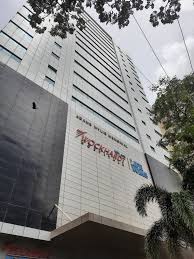
 A multidisciplinary team at Wockhardt Hospitals, Mumbai Central has successfully managed and delivered a healthy baby for a 48-year-old woman with a 36 week IVF ICSI pregnancy — despite multiple maternal and fetal risk factors.




Mumbai, September 2025: A multidisciplinary team at Wockhardt Hospitals, Mumbai Central has successfully managed and delivered a healthy baby for a 48-year-old woman with a 36 week IVF ICSI pregnancy — despite multiple maternal and fetal risk factors.
The patient, with a previous history of one abortion, conceived through IVF with ICSI (Intracytoplasmic Sperm Injection) on December 30, 2024. Both maternal and paternal risk factors made this pregnancy particularly complex: the male partner had severe oligospermia, while the mother presented with advanced maternal age (48 years), fibroid uterus, thin endometrial lining, adenomyosis, low AMH, and an ovarian cyst.
To optimize the uterine environment, she underwent hysteroscopic surgery with fundal and lateral metroplasty in November 2024, creating a favorable cavity for implantation. Remarkably, she conceived in the very first IVF cycle.
The pregnancy, however, was fraught with challenges:
- First and second-trimester bleeding and spotting, requiring complete bed rest and progesterone support.
- Pregnancy-induced hypertension, requiring continuous monitoring and antihypertensive therapy.
- Gestational diabetes, managed through careful monitoring and multidisciplinary support.
- She was placed on Low Molecular Weight Heparin (LMWH) for clot-prevention and underwent regular ophthalmology and systemic check-ups to monitor complications of hypertension.
Despite these hurdles, doctors successfully stabilized her condition through close follow-up, medication support, and strict monitoring of maternal and fetal well-being.
At 35.4 weeks, the patient experienced premature rupture of membranes (PPROM). She received medication for fetal lung maturity and was taken for a planned C-section delivery. During surgery, a rare and life-threatening complication — uterine inversion due to an adherent placenta — occurred. The team acted swiftly, manually correcting the inversion and stabilizing the mother.
A healthy male baby was delivered, who cried immediately after birth and did not require NICU admission. Both mother and baby were discharged in stable condition five days later.
Dr. Gandhali Deorukhkar, Consultant – Obstetrics & Gynaecology, Wockhardt Hospitals, Mumbai Central, said:
“Pregnancy at 48 with multiple risk factors demands exceptional precision, constant reassessment, and multidisciplinary teamwork. From conception through delivery, this journey involved overcoming bleeding, hypertension, diabetes, and even an intraoperative uterine inversion. Our ability to anticipate complications, provide vigilant care, and act swiftly at critical moments ensured both mother and child are safe today. This case highlights how advanced reproductive medicine and evidence-based obstetric care can achieve excellent outcomes even in extremely high-risk pregnancies.”
Wockhardt Hospitals’ high-risk obstetrics program integrates obstetricians, physicians, and fetal medicine specialists to manage complex pregnancies — particularly those conceived through assisted reproductive techniques and in advanced maternal age. The focus remains on safety, continuity of care, and compassionate support for both mother and family.





-23-300x250.png)

.jpeg)






.jpg)
.jpg)
.jpg)
.jpg)
.jpg)
.jpg)
.jpg)
.jpg)
.jpg)



