Tuesday, October 06, 2026
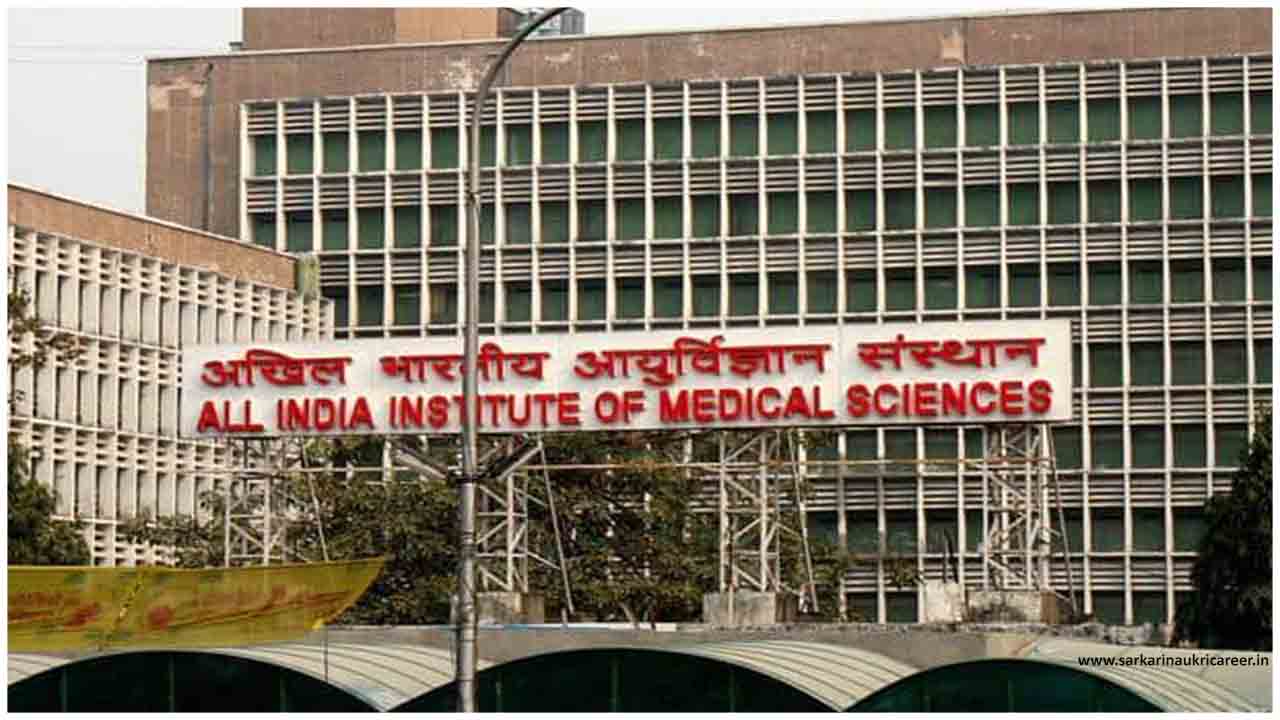
 AIIMS Rishikesh partners with Stasis to launch remote monitored COVID-19 isolation wards using Make-in-India technology





All India Institute of Medical Sciences (AIIMS), Rishikesh has teamed up with Stasis, a Bangalore-based start-up, to implement a remote patient monitoring solution to manage COVID-19 suspects/patients in isolation wards. The solution aims to significantly reduce the risk of exposure to healthcare workers while increasing patient safety and reduce the need for PPE, which is in short supply.
AIIMS, Rishikesh is the first autonomous institute in India to have deployed this technology for use to combat COVID-19. The USFDA cleared, Made in India remote patient monitoring solution has been deployed across 38 beds in four designated COVID Isolation Wards and ICUs. Doctors will have access to key non-invasive patient vitals data on their smartphones with the Stasis app - heart rate, oxygen saturation, electrocardiogram, respiratory rate, non-invasive blood pressure and skin temperature.
A central dashboard has also been set up to monitor all patients on Stasis by a remote clinical team with access to real-time vitals and high-resolution trends of patient vitals data. Padma Shri Prof. Ravi Kant, Director of AIIMS, Rishikesh says "AIIMS Rishikesh is one of the Designated Covid Hospital for state of Uttarakhand and also caters to nearby states. In the current time of pandemic, it is important to rationally use PPE and protect all the front-line workers while giving the best clinical care from the team of specialists at AIIMS Rishikesh. Using the Stasis solution we were able to get 38 Covid HDU and ICU beds ready for remote monitoring to reduce unnecessary exposure of staff and doctors and get real time data as well as alerts for dynamic risk stratification and early treatment measures."
Professor Ravi Kant, adds, "We also supported Make in India initiative by using these devices which are manufactured in India and is also USFDA approved." Dr. Abhishek Agrawal, Assistant Professor from the department of Surgical Gastroenterology, who led the implementation, believes this technology will help improve resource utilisation and improve patient care at the facility. "By being able to remotely monitor patients with a central dashboard and through the smartphone app, we will be able to manage more patients continuously and prevent excessive use of PPEs which are in short supply." says Dr. Agrawal.
Dr Roheet Rao, Director of Stasis, believes that the COVID-19 epidemic urgently requires more hospitals to adopt remote patient monitoring solutions. "Our solution is now a must-have for all hospitals in a post-Covid world as the paradigm of patient monitoring is rapidly moving towards technology-assisted remote care. Remote patient monitoring can ensure the safety of hospital staff and doctors from Covid infection, while increasing patient safety and improving outcomes to save lives."






.jpeg)




.jpg)
.jpg)
.jpg)
.jpg)
.jpg)
.jpg)


.jpg)
.jpg)
.jpg)
.jpg)
.jpg)
.jpg)