 Thursday, October 08, 2026
 The Ministry has advised all the passengers to download and use the Aarogya Setu application. No Linen, blankets and curtains will be provided inside the train. Passengers are advised to carry their own linen for the travel.




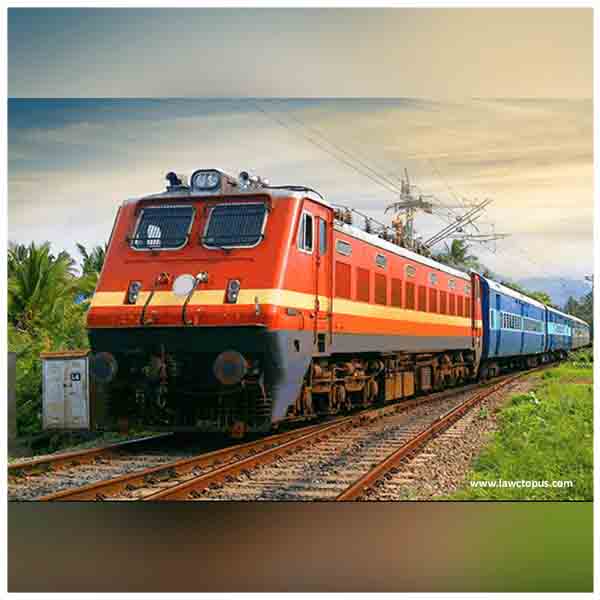
Indian Railways has announced gradual restart of special passenger train services from tomorrow. Initially, 15 pairs of trains will ply with passengers on board. Out of these, 14 trains will start from tomorrow, connecting New Delhi station to Dibrugarh, Agartala, Howrah, Patna, Bilaspur, Ranchi, Bhubaneswar, Secunderabad, Bengaluru, Chennai, Thiruvananthapuram, Madgaon, Mumbai Central and Ahmedabad. While the 15th train from New Delhi to Jammu will start from Wednesday instead of tomorrow.
Booking for reservation in these trains will start at 6 p.m. today and will be available only on the IRCTC website as data regarding the special trains is being incorporated in the system. The Railways had earlier announced the booking time as 4 P.M.
Ticket booking counters at the Railway Stations will remain closed and counter tickets will not be issued. No catering charges will be included in the fare. Provision for pre-paid meal booking, e-catering will be disabled. However, IRCTC shall make provision for limited eatables and packaged drinking water on payment basis.
The Ministry said, passengers are encouraged to carry their own food and drinking water. Current booking, Tatkal and Premium Tatkal booking shall not be permitted. Only passengers with valid confirmed tickets will be allowed to enter the Railway Stations. Passengers will have to wear face cover and undergo screening at departure and only asymptomatic passengers will be allowed to board the train.
The passengers will have reach the station at-least 90 minutes in advance to facilitate thermal screening at the station. Online cancellation will be permitted up to 24 hours before scheduled departure of train. No cancellation permitted less than 24 hrs before departure of train. Cancellation charge shall be 50 per cent of fare.
The Ministry has advised all the passengers to download and use the Aarogya Setu application. No Linen, blankets and curtains will be provided inside the train. Passengers are advised to carry their own linen for the travel. As per MHA guidelines the movement of the passenger as well as the driver of the vehicle transporting the passenger to and fro the Railway Station will be allowed on the basis of the confirmed e-ticket.






.jpeg)










.jpg)
.jpg)
.jpg)
.jpg)
.jpg)
.jpg)


.jpg)