 Thursday, October 08, 2026
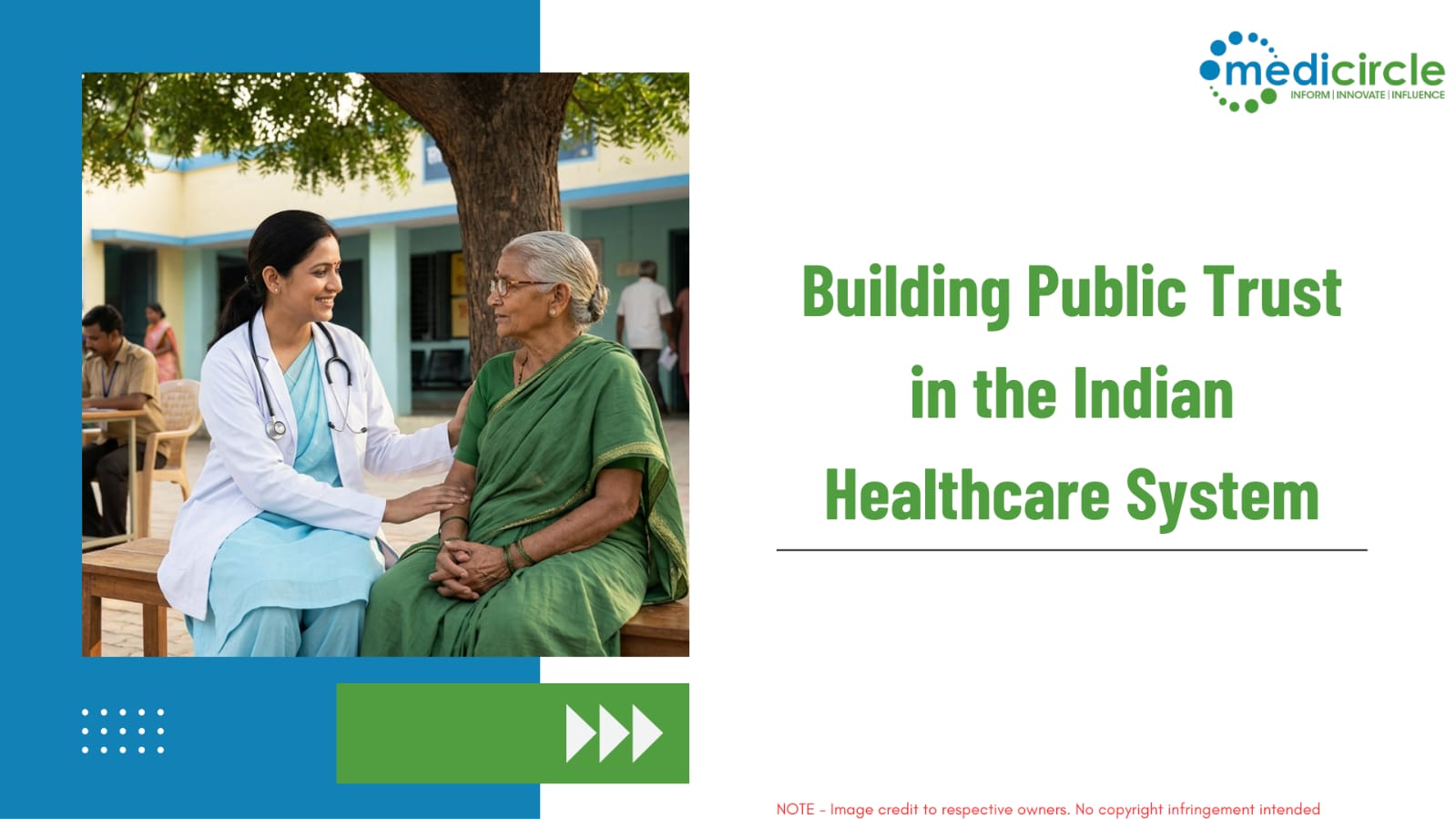
 Public trust is the invisible thread keeping the Indian healthcare system functional. By focusing on empathy, transparency, and accessible care, we ensure every citizen feels confident and secure.




Building Public Trust in the Indian Healthcare System
A healthcare system is often measured by the number of hospital beds, the sophistication of its robotic surgeries, or the speed of its digital prescriptions. However, in a nation as vast and varied as India, there is a much quieter and more vital metric. This metric is the trust of the people. From a farmer in a remote village to a corporate professional in a skyscraper, the willingness to seek medical help depends entirely on whether they believe the system has their best interests at heart.
When that trust is solid, people stay proactive about their health. When it wavers, the entire system struggles to function. Building this confidence is not a one-time achievement. It is a continuous effort that involves being honest, providing reliable care, and treating every patient with the dignity they deserve.
Communication and Fair Pricing
In the consultation room, trust starts with a conversation. In India, where medical jargon can often feel like a foreign language, a doctor who takes five extra minutes to explain a diagnosis in simple terms does more for public trust than any billboard could. When a patient feels heard rather than just processed, they are more likely to follow through with their medication and lifestyle changes.
Promoting Financial Clarity
Financial clarity is equally essential for building confidence. For many Indian households, a medical emergency is as much a financial crisis as a health one. Hospitals that provide upfront and transparent billing help eliminate the anxiety of hidden charges. By replacing uncertainty with clarity, healthcare providers can transform a stressful experience into a manageable journey toward recovery.
Closing the Rural Gap
One of the biggest hurdles to national trust is the gap in healthcare quality between our big cities and our rural heartlands. For a long time, high-quality specialist care felt like a luxury reserved for those in Tier 1 cities. This perceived inequality can breed skepticism in the system.
Role of Digital Innovation
Digital health is now acting as a great equalizer. Through teleconsultations and secure digital records, a mother in a distant village can now consult with a top specialist hundreds of kilometers away. This democratization of care sends a powerful message. It proves that technology is being used for progress and inclusion.
Combatting Medical Misinformation
We are currently navigating an information crisis where unverified health advice spreads faster than a seasonal flu. For many Indians, the first instinct is to check a family group chat or a random search result before calling a doctor. This is where the healthcare industry must step up as a guardian of truth.
Providing Verified Knowledge
By providing easy to read and fact-based information, healthcare platforms can help the public move away from self-treatment based on myths. When patients find reliable advice that actually works, their faith in the medical establishment grows. The goal is to partner with healthcare experts to stay well.
Accountability and Patient Safety
No system is perfect and ignoring errors is the fastest way to lose public confidence. A trustworthy healthcare system is one that is brave enough to be accountable. This means having clear protocols for patient safety and transparent ways for people to share their grievances.
Following Standardized Benchmarks
In recent years, the push for hospital accreditations and standardized safety markers in India has set a new benchmark. When a facility prioritizes these standards, it tells the patient that their safety is a non-negotiable priority. Knowing there is a system for course correction makes the public feel protected rather than vulnerable.
Future of Indian Healthcare
The future of healthcare in India is not just about better machines. It is about better relationships. This requires a collective effort where the government ensures accessibility and private providers focus on ethics. We must also remember that while automation brings efficiency, it can never replace the human touch.
As we look ahead, the focus must remain squarely on the individual. When the Indian healthcare system prioritizes the person over the procedure, trust will naturally follow. A system built on this foundation is building a healthier and more resilient nation for every citizen.






.jpeg)








.jpg)
.jpg)
.jpg)
.jpg)
.jpg)
.jpg)


.jpg)
.jpg)
.jpg)