 Thursday, October 08, 2026
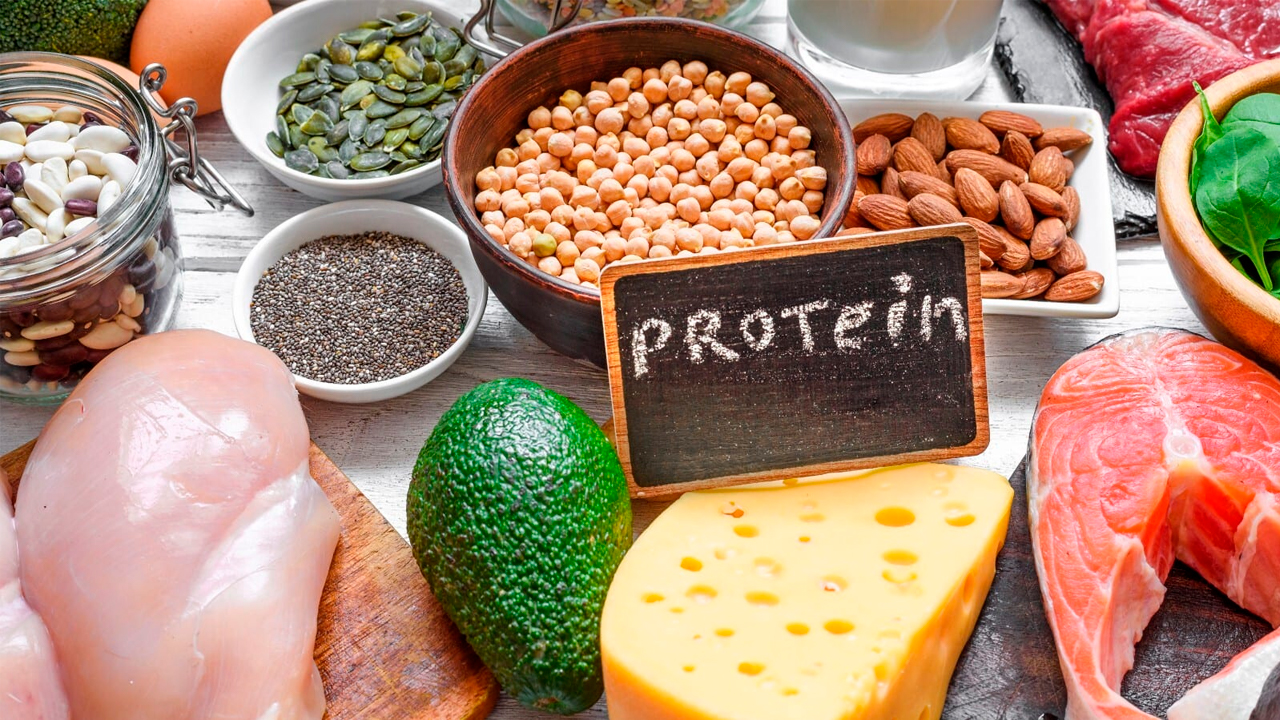
 Protein is very important and beneficial for your health, but consuming too much protein can lead to weight gain instead of weight loss.





Protein is very important for our body. We all include protein rich foods in our diet to keep ourselves fit. Protein helps to keep muscles, hair, skin and eyes healthy. Due to this, the body remains fit and healthy for a long life. It would be quite normal for you to hear that protein is effective in building muscle and reducing weight. But did you know that protein can also lead to weight gain? Yes, if you consume more protein, then you may gain weight which can be harmful to your health.
Let us know how consuming too much protein can lead to weight gain.
Not getting enough fiber
Fiber-rich foods are very important for the body. It also proves helpful in reducing weight. Often people consume more protein in the desire to lose weight and do not pay attention to fiber. Not getting enough fiber can lead to weight gain.
By eating more non veg food
If you are eating a lot of non-veg food, then you may gain weight. Meat or non-veg food in high quantities gives protein to your body, but you also get more calories, which increases fat.
Lack of energy
People who consume more protein feel tired and heavy. Due to fatigue, due to lack of exercise, the amount of calories in the body increases, which leads to weight gain.
Consuming too many carbs
Most people drastically cut down on the amount of carbs to lose weight, which is also true. But reducing or eliminating the amount of carbs can increase your problem. When you cut back on carbs, your cravings for sweets also increase. Due to which you consume an excessive amount of carbs, which helps in gaining weight.
How to Know If You're Getting Too Much Protein
-
If you feel excessively thirsty, it means that your kidneys are working harder. Sometimes this is due to the excess of protein.
-
Even if you are often constipated, it means that you are consuming a high protein diet and a low fiber diet.
-
According to the doctor, the effect of your gut bacteria also affects your mental health. If you don't get all the nutrients you need, you're going to be under more mental stress. Serotonin hormone is reduced by consuming a high protein diet and you are often a victim of mood swings.
-
If women reduce carbs from their diet, it can have an effect on their period cycle. A high protein diet increases the amount of fat in the body, which affects fertility and periods.
It is believed that protein is an essential element for the body. It performs many functions to keep the body healthy. But excessive consumption can lead to weight gain. Therefore, while consuming protein, it is important to take special care of its quantity.





.jpeg)








.jpg)
.jpg)
.jpg)
.jpg)
.jpg)
.jpg)


.jpg)
.jpg)
.jpg)