Tuesday, October 06, 2026
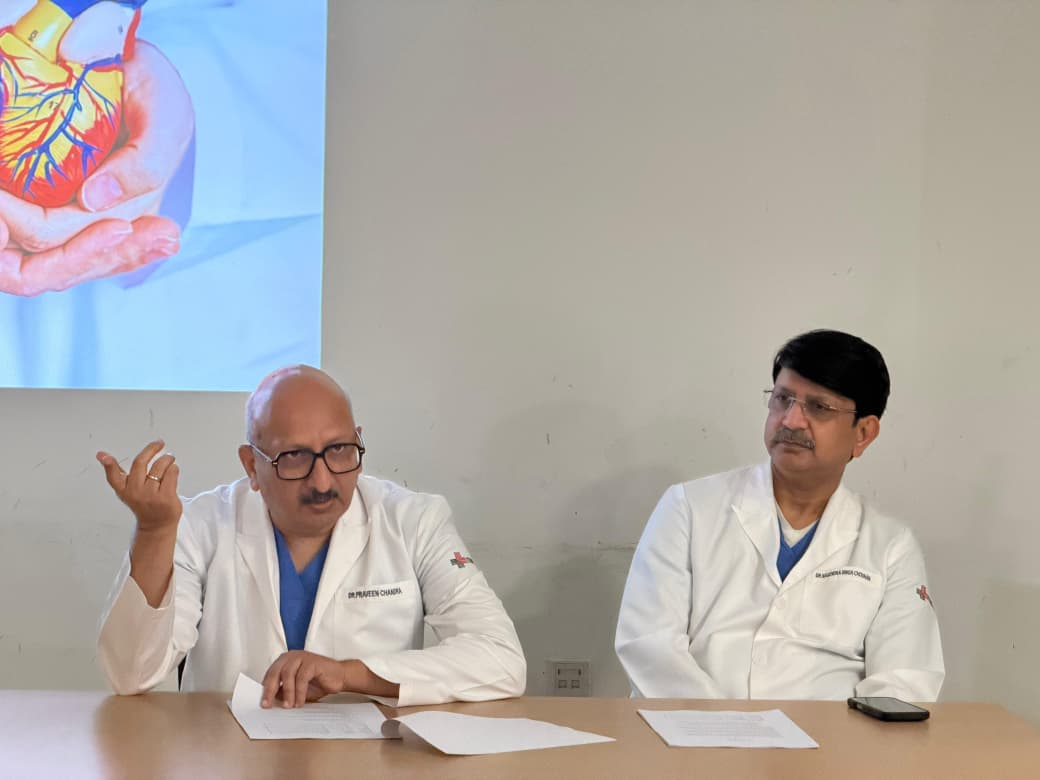
 Cardiology experts at Medanta – The Medicity, Gurugram, convened for a media workshop to highlight the rising incidence of bradycardia, an often-underdiagnosed cardiac rhythm disorder and to discuss challenges in diagnosis, gaps in access to care, and advancements in pacing technologies.




New Delhi, March 31, 2026: Cardiology experts at Medanta – The Medicity, Gurugram, convened for a media workshop to highlight the rising incidence of bradycardia, an often-underdiagnosed cardiac rhythm disorder and to discuss challenges in diagnosis, gaps in access to care, and advancements in pacing technologies. The workshop was spearheaded by Dr. Praveen Chandra, Chairman – Interventional Cardiology, Medanta – The Medicity and Dr. Nagendra Singh Chouhan, Senior Director – Interventional Cardiology, Medanta – The Medicity.
Bradycardia, defined as a resting heart rate below 60 beats per minute, is estimated to affect approximately 1 in every 1000 individuals, with a significantly higher prevalence among those aged 65 years and above. Despite being a manageable condition, bradycardia remains widely underrecognized, as its symptoms are often subtle and non-specific. Common clinical signs include persistent fatigue, dizziness, light-headedness, shortness of breath, exercise intolerance, and fainting, which may be intermittent and easily overlooked. As a result, diagnosis is frequently delayed. If left untreated, symptomatic bradycardia can lead to serious complications, including recurrent fainting episodes, heart failure, and a reduced quality of life.
Speaking at the workshop, Dr. Praveen Chandra, Chairman – Interventional Cardiology, Medanta – The Medicity, said, “Bradycardia remains under-recognised in clinical practice, as symptoms like fatigue, dizziness, and reduced exercise tolerance are often attributed to ageing or co-morbidities, leading to delayed diagnosis and presentation after serious events such as syncope or falls. Advancements in cardiac care, including improved diagnostics and minimally invasive pacing technologies such as leadless pacemakers, are transforming management. However, strengthening early detection, timely referrals, and access to appropriate therapies remains critical to reducing complications and improving long-term patient outcomes.”
Dr. Nagendra Singh Chouhan, Senior Director – Interventional Cardiology, Medanta – The Medicity, added, “Pacemaker therapy remains the only established and guideline-recommended treatment for symptomatic bradycardia. However, access to care continues to be uneven. India currently has approximately 0.6 pacing centres per million population and around 17 pacemaker implants per million highlighting persistent gaps in infrastructure, specialist availability, and patient awareness.”
Experts also emphasized that advanced age remains the strongest risk factor for bradycardia, with nearly 75–80% of pacemaker implants occurring in individuals above 65 years. Other contributing factors include underlying heart disease, prior myocardial infarction, heart failure, valvular disorders, electrolyte imbalances, hypothyroidism, infections, and certain medications, making timely evaluation essential.
The workshop also showcased advancements in pacing technologies, including leadless pacemakers for carefully selected patients, which are helping reduce procedural complications, enable faster recovery, and improve overall clinical outcomes.
The session served as a platform for meaningful dialogue between cardiologists and the media, underscoring the need to strengthen awareness, enable early diagnosis, and improve access to advanced treatment options. With the rising incidence of cardiovascular diseases in India, experts stressed that bridging existing gaps in care will be critical to improving long-term patient outcomes.






.jpeg)
.jpg)
.jpg)
.jpg)
.jpg)
.jpg)
.jpg)


.jpg)
.jpg)
.jpg)
.jpg)
.jpg)
.jpg)