Tuesday, October 27, 2026
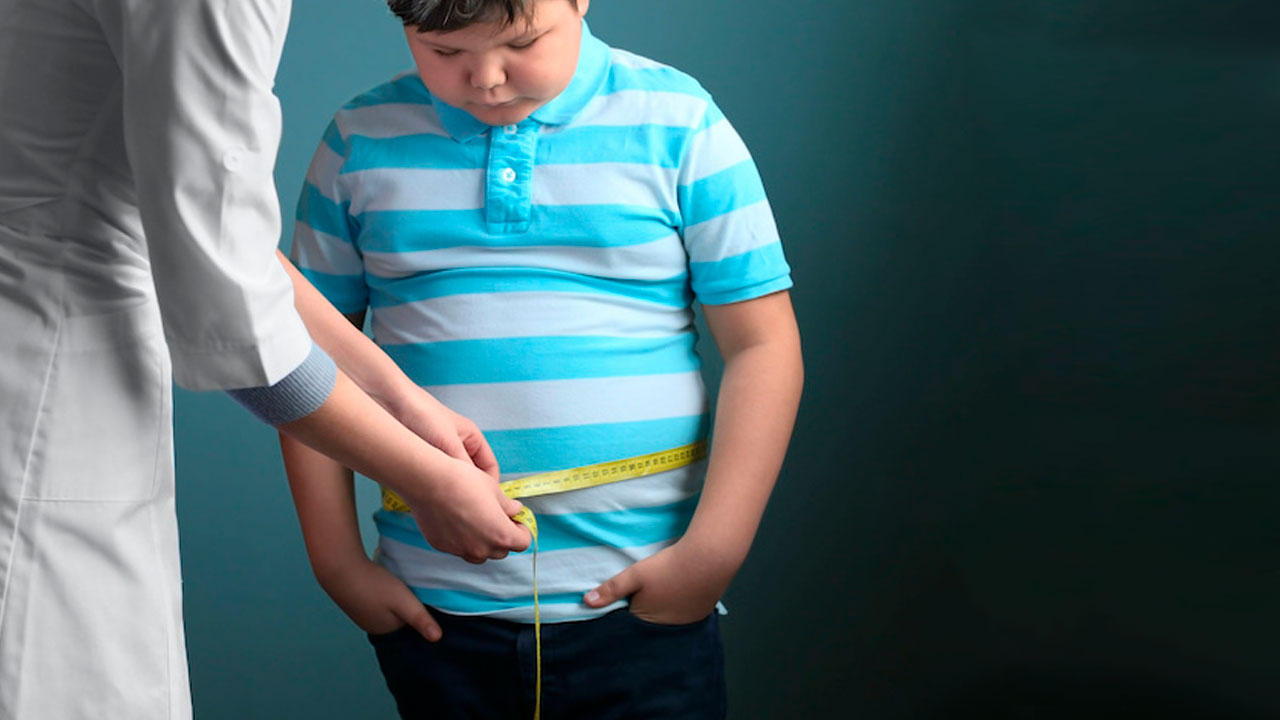
 Childhood obesity has major consequences later in life. Apply these tips to prevent your child from getting obese and help them live a healthy life.





As per WHO, 2.6 million people die each year due to obesity. Obesity is not just limited to adults, there is a spurt in the cases of childhood obesity in India. Childhood obesity has developed as a major health concern in growing kids. No physical activity and unhealthy eating options are making them obese in their childhood.
We all want our kids to be smart and healthy. But we forget that allowing them to use smartphones at such a small age and bribing them with burgers and pizza are not making them healthy. It is we who are pampering them in all the wrong ways. Just to show them that we love them a lot, doesn’t mean that we fulfill all their wrong desires. Health comes from eating homemade, unprocessed foods and involving them in physical activity.
Consequences of childhood obesity
Obesity is the prime reason for most of the health problems which occur later in their life. It needs to be treated at an early age to prevent any kind of lifestyle problems that may turn into life-threatening. These health problems include – diabetes, hypertension, impaired glucose tolerance. These problems are no longer restricted to adults, they have started impacting children as well. Adolescent obese girls may develop PCOS, a lifestyle metabolic syndrome. Apart from these lifestyle diseases, other diseases that are associated with childhood obesity are early puberty, skin infections, asthma, sleep apnea, bone-related disorders, etc.
Inculcate healthy eating habits and encourage them to stay active. Here are some tips
- Restrict their intake of junk food like pizza, burgers, fries.
- Teach them about portion control, this is very effective in weight loss.
- Swap refined flour pasta with whole wheat pasta. Try to include as many vegetables while preparing their meals.
- Ensure that the child is drinking enough water. This will curb their urge of munching some or the other thing every time.
- Swap their snacks (chips) with a fruit chart or vegetable chart or some other healthier option.
- Allow them to play for an hour every day. It is important for both physical and mental health. Physical activity in terms of dancing, cycling, swimming, skipping, playing, etc.
- Encourage them to play outside on the ground. Limit their screen time to 30 – 60 minutes a day. Limiting screen time will help them in avoiding eye-related disorders.
- Be a role model to them. Promote healthy eating habits and physical activity in kids as children imitate what elders do.
- Avoid watching TV while having snacks and meals. This will promote mindfulness or mindful eating. They will prevent the child from overeating.
- Try to prepare a colorful meal that looks interesting and engaging for them.
- Avoid giving them fruit juices, instead offer them whole raw fruits as it will provide them with fiber.
- Most importantly, ask your child to chew the food slowly and completely and not just engulf the food. Chewing food will promote satiety.
Disclaimer: The content on this site is for informational purposes only, and should not be taken as professional medical advice. Always seek the guidance of your doctor or other health professionals for any questions you may have regarding your health or a medical condition.




-23-300x250.png)

.jpeg)






.jpg)
.jpg)
.jpg)
.jpg)
.jpg)
.jpg)
.jpg)
.jpg)
.jpg)