Doctors say soy offers safer, cheaper protein option

▴ soy offers safer, cheaper protein
Soy is one of the richest plant proteins we have, with nearly 40 percent of the bean being protein,” said Dr. Prathima Kini, Lifestyle Medicine Physician and Pathologist, Co-Chairperson of the Physicians Association for Nutrition (PAN) India, Bengaluru City Chapter.

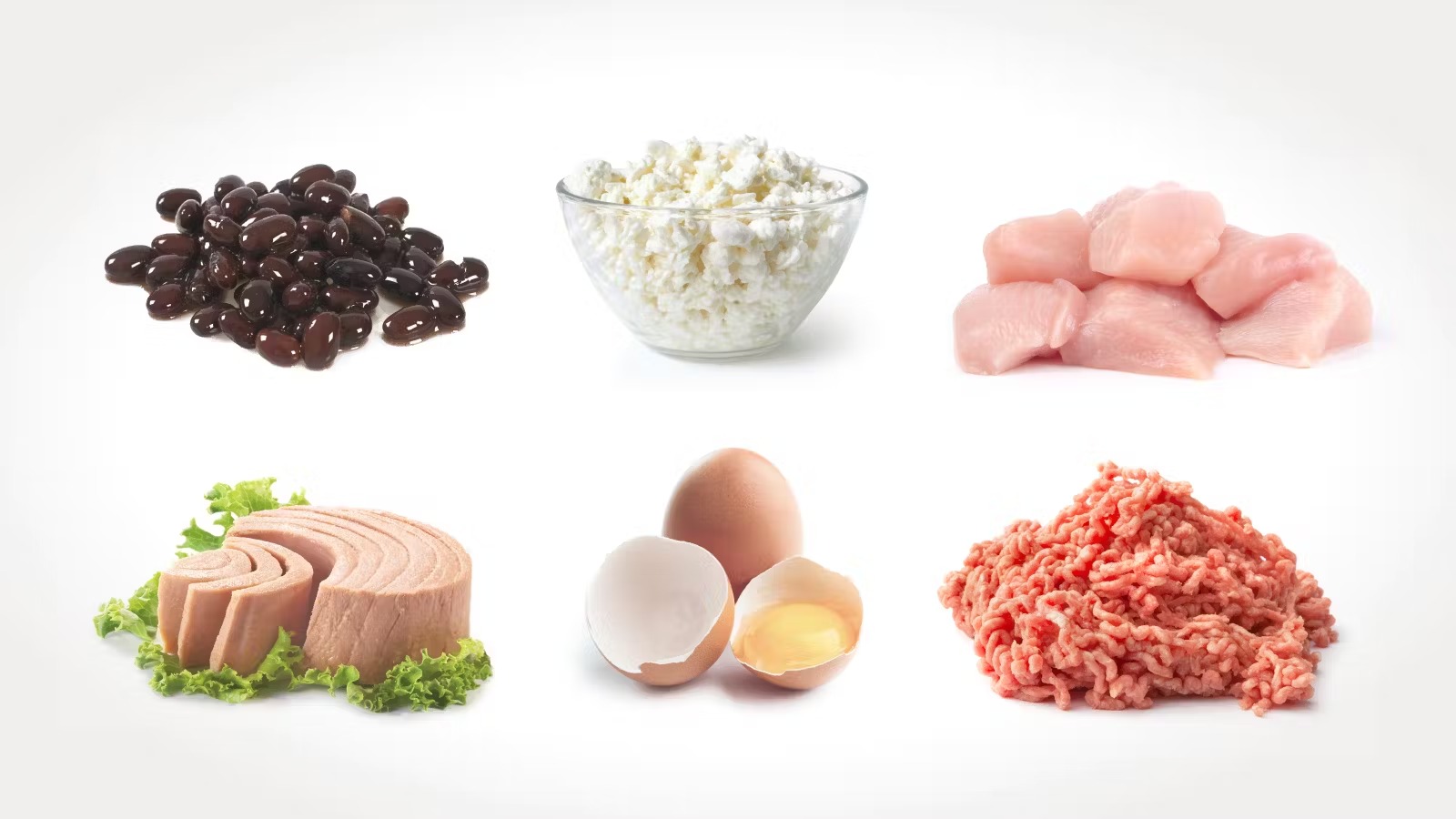
Amidst the Karnataka government’s decision to replace eggs with soy chunks in three government hospitals, doctors and nutritionists stress that soy is not only a safe alternative but, in many ways, better suited for patients’ health. “Soy is one of the richest plant proteins we have, with nearly 40 percent of the bean being protein,” said Dr. Prathima Kini, Lifestyle Medicine Physician and Pathologist, Co-Chairperson of the Physicians Association for Nutrition (PAN) India, Bengaluru City Chapter. “Unlike eggs, it also comes with fibre, healthy fats, calcium, and iron. For someone recovering from surgery or illness, this combination is excellent. You are not just giving protein; you are also giving nutrients that help heal faster and keep the heart healthy.” The doctors point out that soy is a “complete protein,” meaning it has all the amino acids that the body needs. “People often think plant proteins are second grade, but soy is different,” explained Dr. Prathima. “Its quality and digestibility are very close to eggs, and its added advantage is that it has no cholesterol and very little fat. For patients with diabetes, heart disease, or obesity, which make up a large section of our hospitals, soy is actually the safer choice.” Dr. Prathima also said that in many countries, soy is a regular part of meals. These include Japan, China, and even the US, where it is used regularly. “People there live longer, with lower heart disease rates. We should not think of soy as alien to our diet.” Experts also emphasised affordability and sustainability factors. “Soy chunks are cheap, store well, and can be added easily to Indian meals. An egg gives about 6 grams of protein, but a small serving of soy chunks gives nearly double that,” said Dr. Veena Acharya, Gynaecologist, Fetal Medicine Specialist, and Lifestyle Medicine Physician, Bengaluru. “And because they also provide fibre, they support digestion and gut health something eggs cannot do.” “In our daily practice, we see a lot of women struggling with anaemia and weak bones. Soy naturally provides iron and calcium, and helps prevent anaemia while also supporting bone strength. For women, especially those who cannot afford expensive supplements, this is a simple and safe nutrition option,” said Dr. Acharya. Before taking any such decisions on public health issues, Physicians Association for Nutrition (PAN) doctors insist the larger picture must not be lost. “We should ask: what food helps patients recover best, at the lowest cost, and without harming long-term health,” said Dr. Prathima. “On all these counts, soy deserves a fair chance.” Another issue doctors and nutritionists raise is safety. “There is a myth that soy is harmful, especially for men, because of hormones,” said Dr. Sandhya Ravi, Breast Surgeon and Managing Director of Prameya Health Private Limited, Bengaluru. “But that is not true. Large studies have shown soy is completely safe. In fact, it may even lower the risk of certain cancers and improve bone health.” Dr. Sandhya further said that for women and children, soy is especially useful. “It has iron and calcium, which help prevent anaemia and strengthen bones. In government hospitals, these are exactly the groups we need to support most.”

Tags : #

About the Author


Team Medicircle

Related Stories

Loading Please wait...

-Advertisements-


Trending Now

The ePlane Company and Apollo Hospitals Join Forces to Bring India's Golden Hour Within ReachJuly 23, 2026
Importance of Women's Health Screening: A Comprehensive Guide to Preventive CareJuly 23, 2026
Can Diabetes Be Reversed? What Indian Patients Need to KnowJuly 23, 2026
Heart Attack vs. Cardiac Arrest: Key Differences Every Indian Should KnowJuly 23, 2026
Hepatitis B and C: Understanding Transmission, Testing, and TreatmentJuly 23, 2026
The Digitization of Care: How Healthtech and Digital Self-Management Tools are Transforming Patient OutcomesJuly 22, 2026
Telemedicine Ethics: Maintaining Patient Privacy and Clinical Quality in Virtual ConsultationsJuly 22, 2026
Diabetes Complications Explained: Causes, Warning Signs, and Prevention for Indian PatientsJuly 22, 2026
Exercise and Heart Health: Understanding the Vital Connection for Indian ReadersJuly 22, 2026
pediatric-nutrition-essential-vitamins-for-school-going-childrenJuly 22, 2026
Monsoon Health: Preventing Waterborne Diseases in Your FamilyJuly 22, 2026
Best Foods for Heart Health: A Practical Guide for Indian DietsJuly 21, 2026
Diabetes Diet Guide: A Complete Approach to Eating Well with DiabetesJuly 21, 2026
Understanding ECG Reports: What Every Patient Should KnowJuly 21, 2026
What Happens During Surgery? A Complete Guide for Patients in IndiaJuly 21, 2026
Healthcare Trends in 2026: What India's Doctors, Hospitals, and Patients Need to KnowJuly 18, 2026
Monsoon Health Problems in India: Understanding the Risks, Symptoms, and PreventionJuly 18, 2026
Fortis Escorts Faridabad Launches Faridabad’s First Comprehensive Lung Failure Clinic for Advanced Respiratory and Transplant CareJuly 17, 2026
What Seemed Like Persistent Gas Turned Out To Be A 30-cm Rare Cancer Occupying Most Of Her AbdomenJuly 17, 2026
Kidney Stone Prevention Initiative Unites More Than 8,200 Doctors Across India, Earns Asia Book of Records RecognitionJuly 17, 2026