Thursday, November 05, 2026
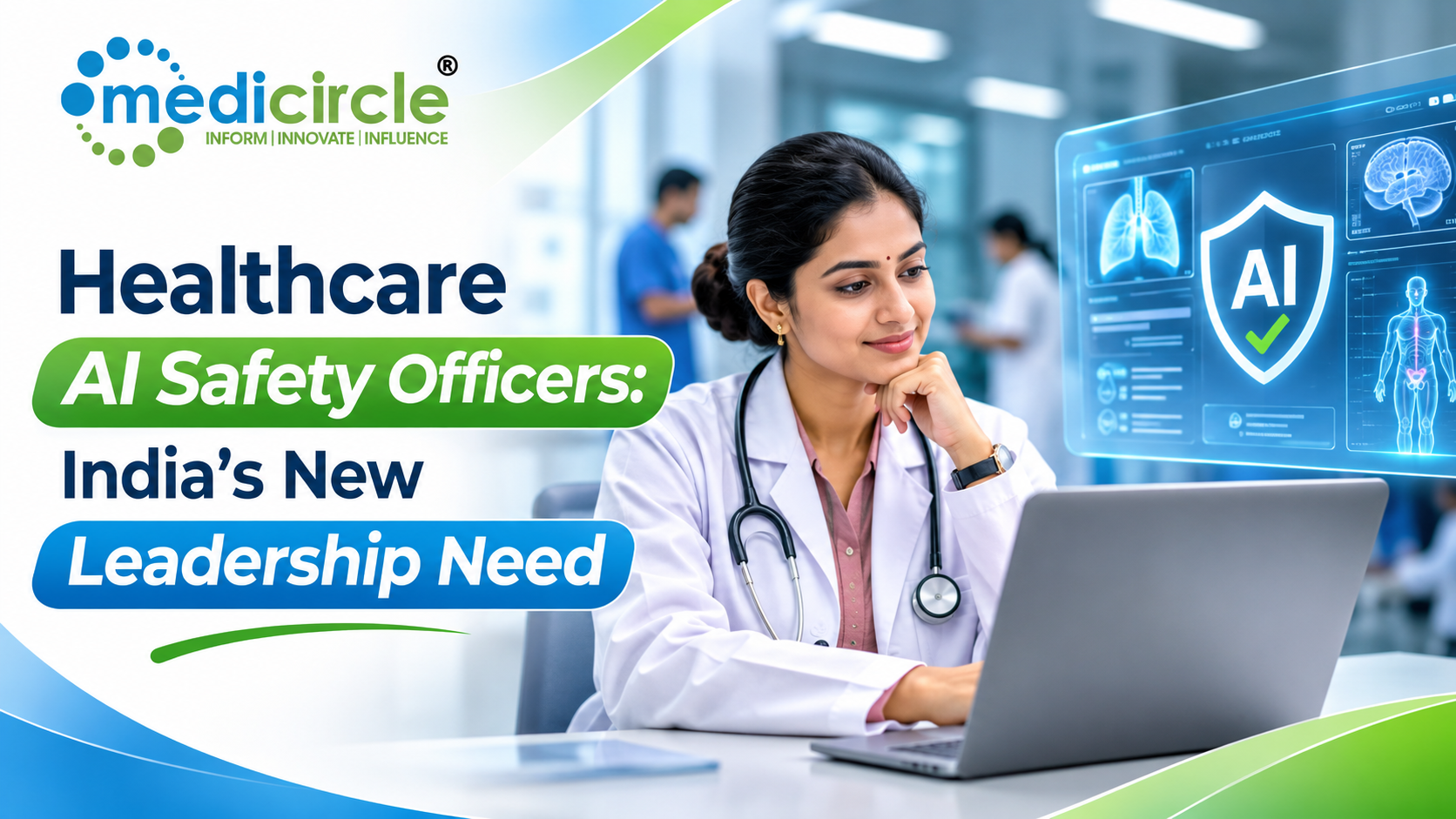
 Healthcare AI Safety Officers are emerging as a critical leadership role in Indian hospitals, ensuring responsible, ethical, and patient-safe deployment of artificial intelligence across clinical systems.





The Rise of Healthcare AI Safety Officers: A New Leadership Role Transforming Indian Hospitals
Introduction
Artificial intelligence is no longer a distant concept in Indian healthcare. It is already active inside diagnostic labs, radiology departments, electronic health record systems, and clinical decision support tools across hospitals in Mumbai, Bengaluru, Hyderabad, and beyond. As AI tools embed themselves deeper into the day-to-day operations of health systems, a pressing question has emerged: who is responsible when something goes wrong?
This question has given rise to one of the most significant new leadership positions in global healthcare, the Healthcare AI Safety Officer. Sometimes referred to as a Clinical AI Safety Officer or an AI Governance Lead in healthcare settings, this role is designed to ensure that artificial intelligence tools used in clinical and administrative environments are safe, ethical, accurate, and aligned with patient welfare. For India, a country rapidly scaling its digital health infrastructure under the Ayushman Bharat Digital Mission (ABDM), this role is not just relevant. It is becoming essential.
Understanding the Healthcare AI Safety Officer Role
The Healthcare AI Safety Officer is a senior leadership position responsible for overseeing the safe deployment, continuous monitoring, and ethical governance of AI systems within a healthcare organization. This is not a purely technical role. It sits at the intersection of clinical knowledge, regulatory compliance, patient safety, and institutional accountability.
In practical terms, an AI Safety Officer in a hospital or health system is expected to:
- Review and validate AI tools before they are introduced into clinical workflows
- Monitor AI system performance on an ongoing basis to detect errors, bias, or performance drift
- Develop and enforce policies governing the use of AI in patient care
- Serve as a liaison between clinical teams, technology vendors, and hospital administration
- Ensure compliance with applicable regulations, including data privacy laws and medical device guidelines
- Lead training programs to help clinical staff understand and correctly use AI-assisted tools
- Investigate any adverse events or near-misses linked to AI-generated recommendations
The role requires a professional who understands both the language of medicine and the logic of algorithms. In many leading international institutions, this position is held by physicians with additional training in data science, informaticists with clinical exposure, or senior nurse informaticists who have worked closely with digital health systems.
Why This Role Is Emerging Now
The timing of this role's emergence is not coincidental. Healthcare AI has moved from controlled research settings into routine clinical practice faster than most institutions anticipated. A radiology AI tool that flags suspected tuberculosis findings on chest X-rays, an algorithm that predicts sepsis risk in ICU patients, a chatbot that triages patient queries in a telemedicine app. These tools are already in use in Indian hospitals. And each one carries a risk profile that demands oversight.
Several factors have converged to make the AI Safety Officer role a necessity in healthcare today.
First, AI tools are increasingly influencing clinical decisions. When an algorithm recommends a drug dosage, identifies a suspicious lesion on a scan, or stratifies a patient as high risk, that output can directly shape what a clinician does next. If the algorithm is poorly calibrated, trained on non-representative data, or applied in a context it was not designed for, the consequences for the patient can be serious.
Second, AI systems can degrade over time. A model that performs well at the time of deployment may perform poorly six months later if the patient population changes, the data inputs shift, or the underlying infrastructure is updated. Without continuous monitoring, these performance gaps go undetected.
Third, regulatory expectations are evolving. In India, the Central Drugs Standard Control Organisation (CDSCO) has begun paying attention to AI-based Software as a Medical Device (SaMD). As this regulatory framework matures, hospitals and health technology companies will need leadership that can manage compliance proactively.
Fourth, the consequences of AI failure in healthcare are not the same as failures in other sectors. A misclassified email is an inconvenience. A misclassified ECG could cost a life. The stakes demand a dedicated, empowered leadership function.
The Indian Healthcare Context and Why This Matters for India
India presents a unique landscape for healthcare AI deployment. The country has over 71,000 registered hospitals, more than 800 million digital health IDs created under ABDM, and a rapidly growing healthtech ecosystem with hundreds of startups building AI-powered products for diagnostics, chronic disease management, mental health, and hospital operations. At the same time, India faces a significant shortage of healthcare workers, with a doctor-to-patient ratio that still falls below WHO recommendations in many states.
This combination creates both opportunity and risk. AI tools have genuine potential to extend the reach of limited clinical resources, improve diagnostic accuracy in underserved regions, and support frontline health workers in Tier 2 and Tier 3 cities with clinical decision support. But deploying these tools without robust safety governance in a resource-constrained, linguistically diverse, and socioeconomically complex environment like India can amplify existing inequities rather than reduce them.
An AI model trained predominantly on data from urban tertiary hospitals may not perform reliably in a rural primary health centre. A symptom-checking algorithm calibrated for one language or literacy level may produce errors when used by populations it was not designed to serve. The Healthcare AI Safety Officer is the institutional safeguard against exactly these kinds of deployment mismatches.
Indian hospitals participating in NABH accreditation processes, health systems integrating with the ABDM ecosystem, and healthtech companies seeking regulatory approval for AI-based products are all entering territory where AI safety governance will increasingly be expected rather than optional.
Core Competencies and Qualifications for This Role
There is currently no single standardized certification pathway for Healthcare AI Safety Officers globally, and India does not yet have a formal regulatory mandate for the position. However, the competencies that define an effective AI Safety Officer in healthcare are becoming clearer as the role matures internationally.
Professionals moving into this space typically bring a combination of the following:
- A clinical or healthcare background, whether as a physician, pharmacist, nurse, or allied health professional
- Knowledge of health informatics, electronic health records, and digital health systems
- Understanding of machine learning fundamentals, including how models are trained, validated, and monitored
- Familiarity with patient safety frameworks such as those used by NABH or international bodies like the Joint Commission
- Understanding of health data governance, including India's Digital Personal Data Protection Act and clinical data privacy considerations
- Strong communication skills to translate technical risk into clinical and operational language
In India, institutions such as IIT campuses, IIMs, and medical schools have begun offering short-term programs in health informatics and AI in healthcare. Professional bodies like the Healthcare Information and Management Systems Society (HIMSS) India chapter are also creating pathways for upskilling in this area.
What Hospitals and Health Systems Should Do Now
For Indian hospital leadership, waiting for a formal regulatory mandate before establishing AI safety governance is a risk in itself. The volume of AI tool adoption across hospital departments is accelerating, and the absence of a dedicated oversight function creates institutional liability as well as patient safety gaps.
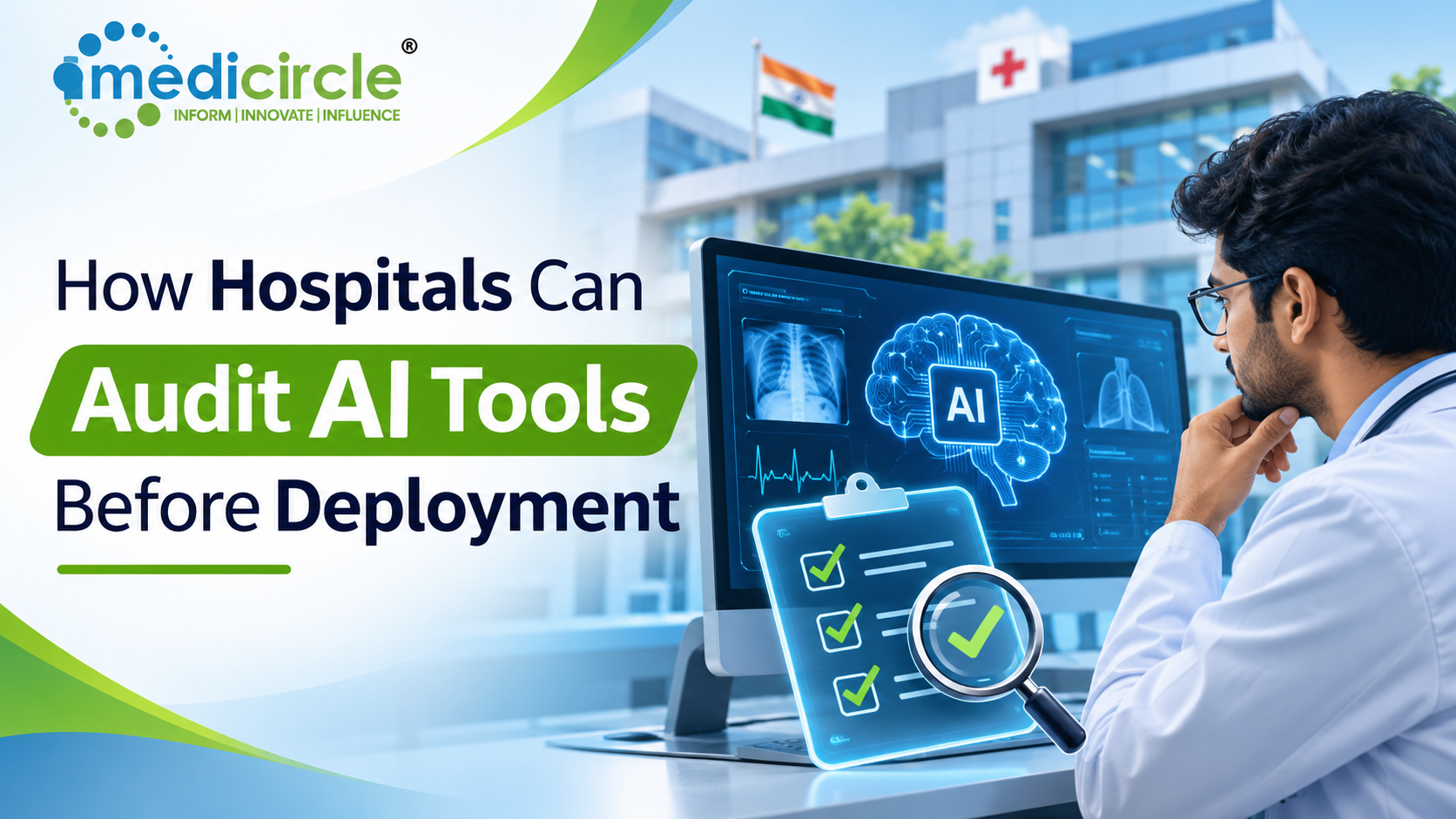
Hospital boards and CEOs who are serious about responsible AI adoption should consider the following steps. To begin with, conducting an audit of all AI tools currently in use across clinical and administrative departments is an important first step. Many hospitals have adopted AI tools department by department without a centralized view of the full picture. Understanding what is already in use is the starting point for governance.
Following the audit, assigning clear accountability for AI safety, even if the full-time role does not yet exist, is a meaningful interim measure. This could mean designating an existing clinical informatics lead or chief medical officer to carry AI safety responsibilities until the institution is ready to build the dedicated function.
Hospitals should also establish a cross-functional AI review committee that includes clinicians, data teams, legal and compliance professionals, and patient representatives. This committee can evaluate new AI tools before adoption and create post-deployment monitoring protocols.
For healthtech companies and AI vendors working with Indian hospitals, proactively engaging with this governance function and offering transparency about model validation, training data sources, and performance benchmarks builds trust and strengthens long-term partnerships.
The Global Picture and India's Opportunity
Internationally, leading health systems in the United States, the United Kingdom, Singapore, and the European Union are already formalizing AI safety and governance structures. The US FDA has published frameworks for AI and machine learning-based software as a medical device. The UK's NHS has created guidelines for responsible AI in health and social care. The European Union's AI Act classifies healthcare AI as high risk, requiring stricter oversight.
India has an opportunity to learn from these frameworks and build its own governance model tailored to the realities of its healthcare system. Rather than simply transplanting Western frameworks, India can develop AI safety standards that account for its multilingual patient population, its mixed public-private hospital landscape, its community health worker networks, and its large-scale digital health programs.
The Healthcare AI Safety Officer role, as it takes shape in India, may look different from its counterparts abroad. It may be embedded within district health authorities, within ABDM-integrated health facilities, or within the regulatory divisions of the National Medical Commission. However it evolves, the core principle remains the same: every AI tool that influences a patient's care must be overseen by someone who is accountable for its safety.
Conclusion
The Healthcare AI Safety Officer is not a luxury position for elite hospitals. It is a necessary safeguard for any health system that is serious about deploying AI responsibly. As Indian healthcare continues its digital transformation, driven by ABDM, National Digital Health Mission goals, and a growing healthtech ecosystem, the institutions that invest in structured AI governance will be the ones that earn lasting patient trust, attract top clinical talent, and avoid the reputational and regulatory risks that come with unmonitored AI deployment.
Medicircle has consistently covered the evolving landscape of healthcare leadership, digital health innovation, and responsible medical technology. As this new leadership role grows in relevance across Indian hospitals and health systems, awareness among clinicians, hospital administrators, and policy stakeholders is the first step toward building a safer AI-powered healthcare future for India.
Frequently Asked Questions
Q1: What is a Healthcare AI Safety Officer?
A Healthcare AI Safety Officer is a leadership professional responsible for overseeing the safe and ethical use of artificial intelligence tools within a hospital or health system. The role involves reviewing AI tools before deployment, monitoring their performance, ensuring regulatory compliance, and safeguarding patient safety against AI-related risks.
Q2: Is the Healthcare AI Safety Officer role currently present in Indian hospitals?
The role is still emerging in India. A small number of large private hospitals and healthtech companies have begun designating professionals with similar responsibilities, but there is no formal regulatory mandate yet. The expectation is that as AI adoption grows and regulatory frameworks like CDSCO guidelines for SaMD mature, this role will become more formally established.
Q3: What qualifications are needed to become a Healthcare AI Safety Officer?
There is currently no single standardized qualification. However, effective candidates typically have a clinical or healthcare background combined with training in health informatics, digital health governance, or machine learning fundamentals. Courses offered through institutions like HIMSS, IIT programs in health informatics, and international certifications in clinical AI are increasingly relevant pathways.
Q4: Why is AI safety governance especially important in India?
India's healthcare AI landscape is uniquely complex due to its scale, linguistic diversity, urban-rural divide, and the simultaneous growth of public and private digital health programs. AI tools that are not properly validated for the Indian population can produce unreliable outputs that harm patients or deepen existing health inequities. Dedicated AI safety governance helps prevent these outcomes.
Q5: How can hospitals in India begin building AI safety governance without a dedicated officer?
Hospitals can start by auditing existing AI tools in use across departments, designating interim responsibility to an existing clinical informatics or quality lead, forming a cross-functional AI review committee, and requiring AI vendors to provide validation documentation. These steps build a governance foundation that can eventually support a formal AI Safety Officer position.
Resources
- Ayushman Bharat Digital Mission (ABDM): Official government platform governing India's national digital health infrastructure and health ID ecosystem
- Central Drugs Standard Control Organisation (CDSCO): India's national regulatory authority overseeing medical devices, including AI-based Software as a Medical Device
- World Health Organization (WHO) Ethics and Governance of Artificial Intelligence for Health: WHO's global guidance framework on safe and ethical AI deployment in health systems
- National Board of Accreditation for Hospitals and Healthcare Providers (NABH): Indian standards body for hospital quality and patient safety accreditation
- HIMSS (Healthcare Information and Management Systems Society): Global and India-chapter professional body for health informatics, digital health leadership, and clinical AI governance education
Interlinking Keywords
Healthcare AI governance India, AI in Indian hospitals, clinical AI safety, digital health leadership, ABDM digital health, AI patient safety, healthcare technology regulation India, clinical decision support AI, health informatics India, AI medical device regulation CDSCO
Last reviewed by:
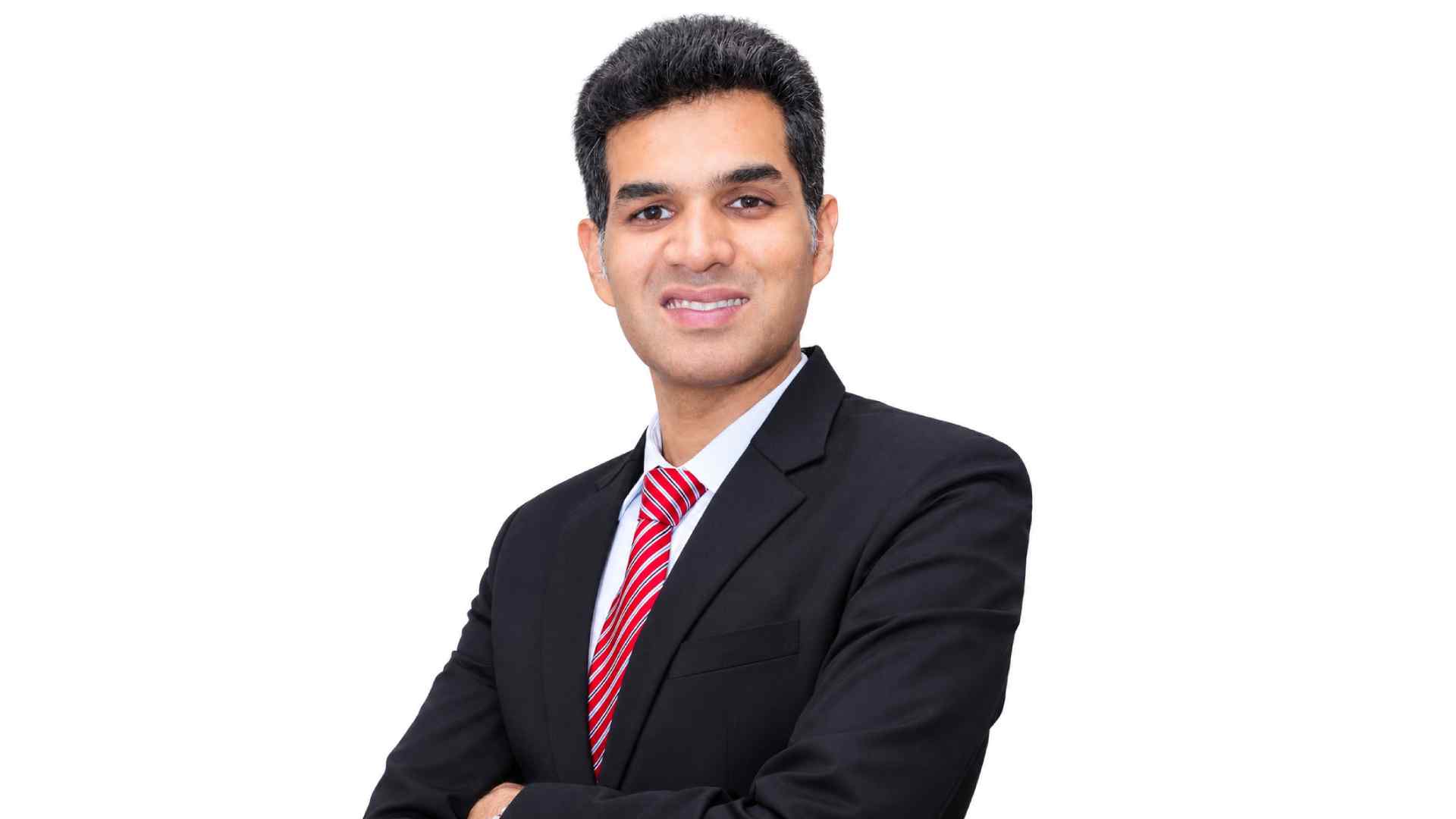
Dr. Manthan Tripathi, Medicircle Editorial and Medical Advisory Team on 3, November 2026.
Disclaimer
This article is intended for informational and awareness purposes only. It does not constitute medical advice, clinical guidance, or regulatory consultation. Healthcare professionals, hospital administrators, and organizations should consult qualified medical, legal, and regulatory experts before making decisions related to AI deployment in clinical settings. Medicircle does not endorse any specific AI product, vendor, or governance framework mentioned in this article.





-23-300x250.png)