 Wednesday, November 25, 2026
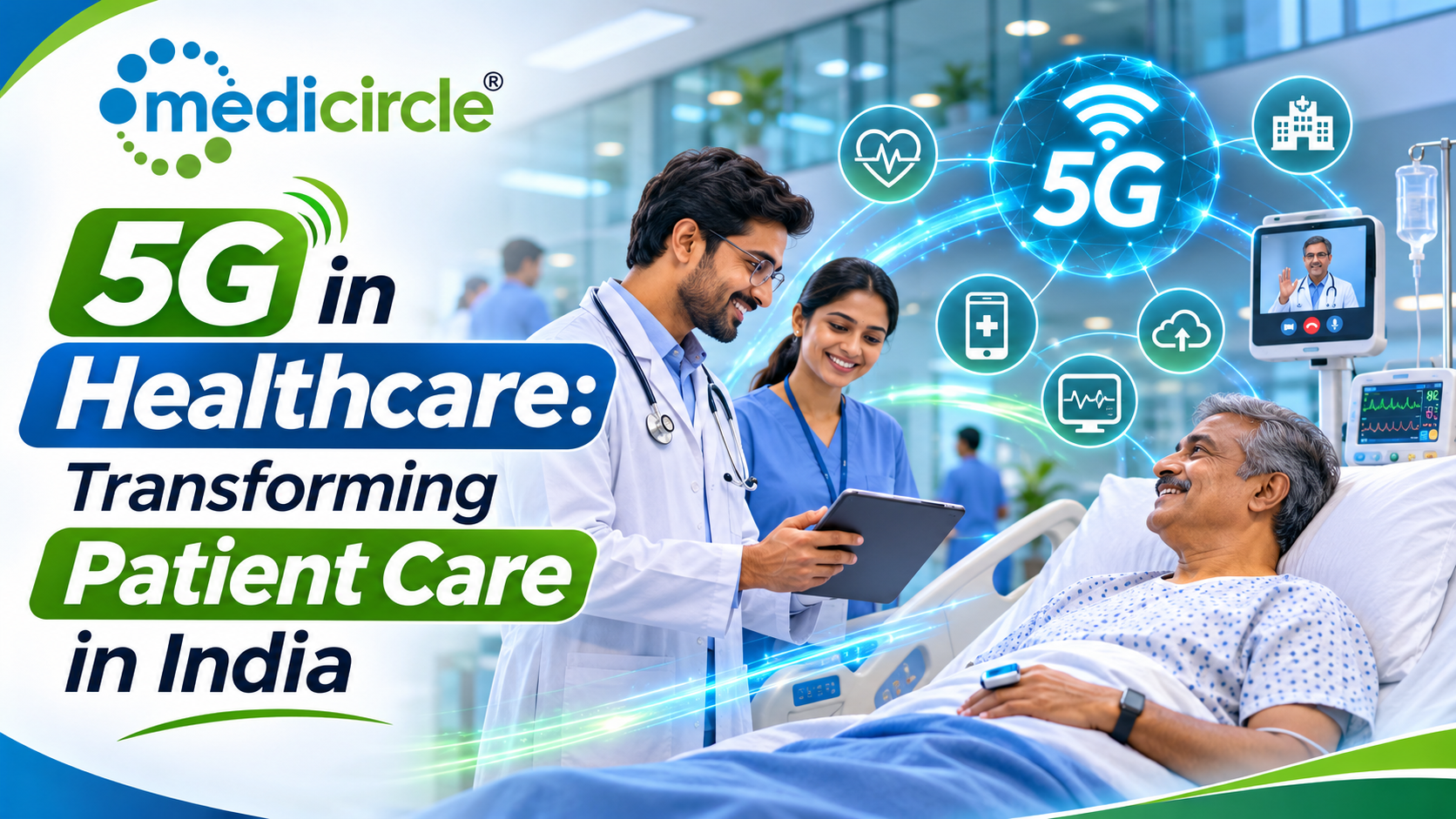
 5G technology offers India's healthcare system transformative potential through faster telemedicine, remote surgery, AI diagnostics, and smart hospital infrastructure, though equitable implementation remains a critical challenge.





Introduction
India's healthcare system is facing one of its most defining technological moments. With 5G networks beginning to roll out across the country, a new era of connected healthcare is emerging, one where the speed and reliability of data transmission could be the difference between timely treatment and preventable loss of life.
The fifth generation of wireless technology is not simply a faster version of 4G. It represents a fundamental shift in what digital infrastructure can deliver: ultra-low latency, massive data capacity, near-instantaneous connectivity, and the ability to support thousands of connected devices simultaneously. For a country as vast and healthcare-diverse as India, these capabilities hold extraordinary promise.
India still faces a significant urban-rural divide in healthcare access. According to the National Health Profile, more than 65 percent of India's population lives in rural areas, yet the majority of specialists and advanced medical infrastructure remain concentrated in Tier 1 cities. 5G has the potential to close some of that gap, not by replacing physical infrastructure, but by making knowledge, expertise, and advanced diagnostics more accessible regardless of geography.
This article explores where and how 5G can genuinely improve patient care in India, the technologies it enables, the challenges that remain, and what the future of 5G-powered healthcare could look like across Indian cities, towns, and villages.
Understanding 5G Technology and Its Relevance to Healthcare
Before exploring its healthcare applications, it is important to understand what makes 5G different from earlier generations of wireless technology, and why those differences matter in a clinical context.
5G offers three defining technical advantages:
- Ultra-low latency: 5G can reduce communication delays to as little as 1 millisecond, compared to 30 to 50 milliseconds on 4G. In healthcare, where split-second decisions matter, this reduction is clinically significant.
- High data throughput: 5G can transmit data at speeds of up to 10 gigabits per second, enabling rapid transfer of large medical files such as high-resolution MRI scans, CT imaging, and genomic datasets.
- Massive device connectivity: 5G can support up to one million connected devices per square kilometre, making it ideal for hospital environments where monitors, sensors, ventilators, and wearables all need to communicate simultaneously.
These are not theoretical capabilities. They are engineering realities that healthcare innovators and hospital administrators in India are already beginning to integrate into their planning frameworks.
India's Department of Telecommunications launched 5G services in October 2022, with coverage now extending to hundreds of cities. As the network matures and deepens, healthcare applications that require stable, high-speed wireless infrastructure are becoming increasingly viable.
5G and Telemedicine: A More Reliable Bridge to Care
Telemedicine received an enormous push during the COVID-19 pandemic, with the Government of India formalising it through the Telemedicine Practice Guidelines issued by the Ministry of Health and Family Welfare in 2020. However, the adoption of telemedicine in rural India has been constrained by inconsistent internet connectivity and poor video quality.
5G has the potential to fundamentally change this. High-definition video consultations, with no lag and clear audio, can replicate the clinical feel of an in-person appointment far more effectively than the pixelated or interrupted video calls that many patients currently experience on 4G or broadband connections.
For a patient in a rural district of Uttar Pradesh, Rajasthan, or Odisha seeking a consultation with a cardiologist or neurologist based in a metro city, 5G-enabled telemedicine could mean the difference between receiving specialist input within hours and waiting weeks for a referral appointment.
The Ayushman Bharat Digital Mission (ABDM) is already building the digital infrastructure for a unified health ecosystem in India. 5G can serve as the high-speed backbone on which services under ABDM become more seamless, consistent, and clinically meaningful for patients across all geographies.
Remote Surgery and Robotic-Assisted Procedures
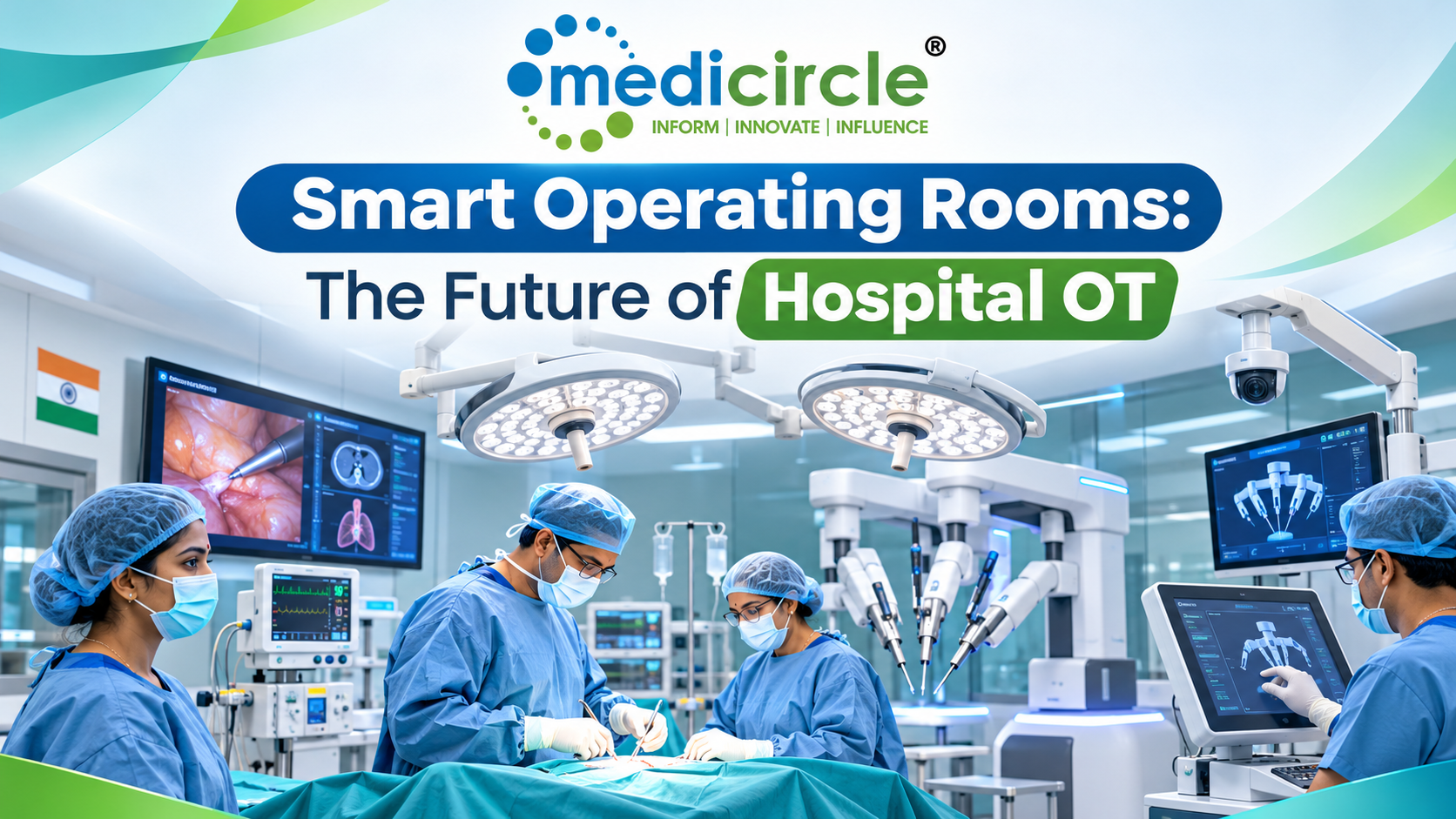
One of the most compelling and closely watched applications of 5G in healthcare is the possibility of remote surgery. Robotic surgical systems, operated by a surgeon from a distant location, require an almost imperceptible communication delay to function safely. On 4G networks, the latency is too high to safely perform such procedures. On 5G, that barrier largely disappears.
International pilot programmes, particularly in China and parts of Europe, have already demonstrated that 5G-enabled robotic surgery is technically feasible. In China, surgeons have performed remote operations on animal subjects and, in a limited number of cases, on human patients, with the operating surgeon located several hundred kilometres from the operating room.
For India, this capability holds particular significance. The country faces a severe shortage of surgical specialists in non-metro regions. Many districts lack access to neurosurgeons, cardiac surgeons, or orthopaedic specialists with sub-specialty training. If a robotic surgical platform can be stationed at a district hospital and operated remotely by an expert based in Delhi, Mumbai, or Bengaluru, the implications for surgical access are profound.
It is important to acknowledge that remote surgery in India remains a future aspiration rather than a current reality. Regulatory frameworks, clinical training, infrastructure readiness, and cost remain significant barriers. However, 5G removes the most fundamental technical obstacle, network latency, which makes the eventual adoption of this technology far more plausible.
AI-Powered Diagnostics and Real-Time Imaging
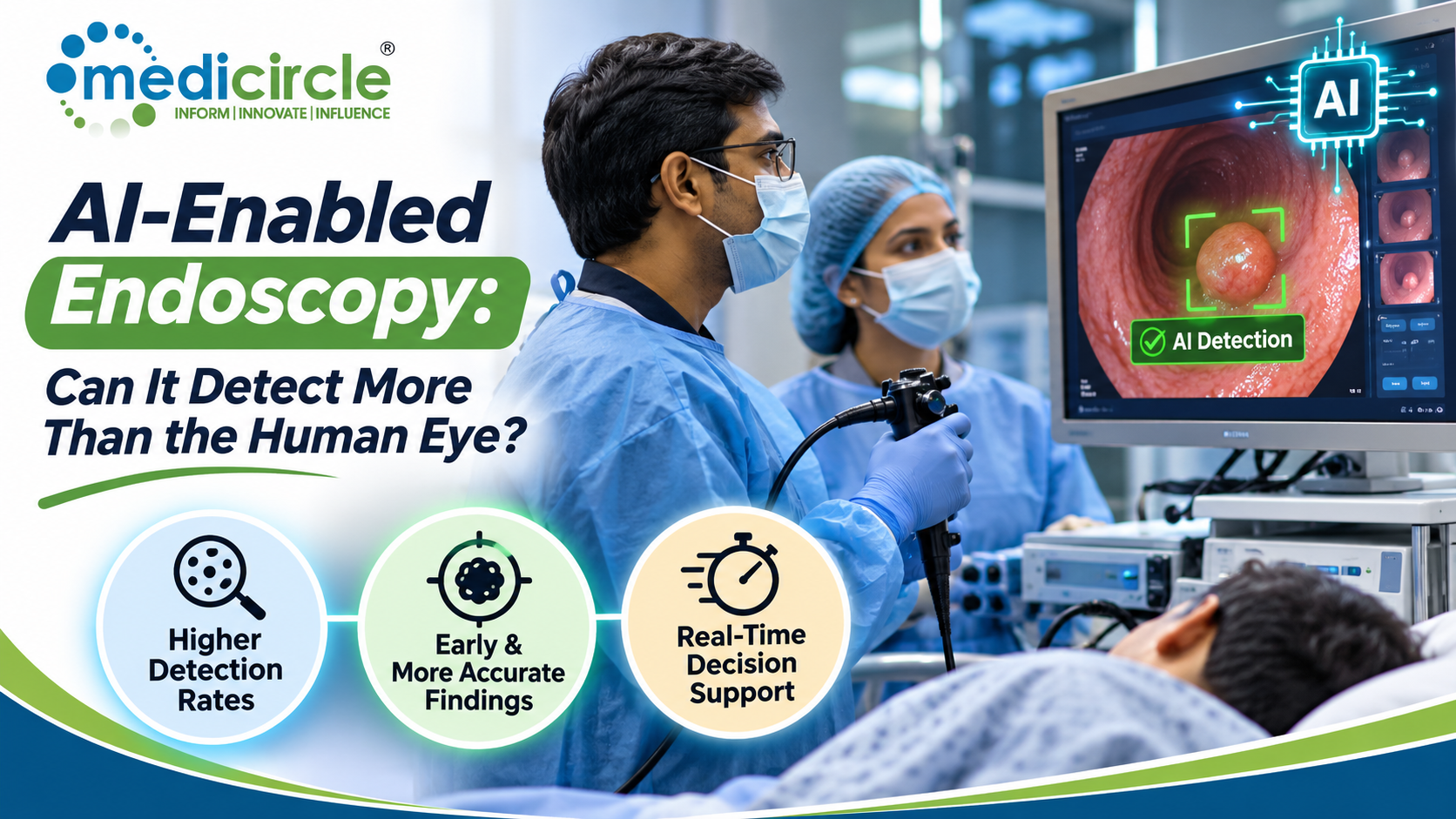
Artificial intelligence is already reshaping medical diagnostics in India, with AI tools being deployed for the detection of diabetic retinopathy, tuberculosis, cervical cancer, and chest X-ray abnormalities. However, the effectiveness of AI diagnostic platforms depends on how quickly and reliably large volumes of medical imaging data can be transmitted for analysis.
5G enables real-time transmission of high-resolution imaging data from point-of-care devices to centralised AI analysis platforms. A community health worker in a remote village could use a portable ultrasound device connected to a 5G network to transmit scans to an AI platform within seconds, receiving a preliminary diagnostic interpretation almost instantly.
This kind of edge-AI integration, where computation happens closer to the data source with results delivered in near real-time, can significantly reduce diagnostic delays and support frontline health workers who may not have the clinical training to interpret complex imaging independently.
India's National AI Strategy and the NITI Aayog's framework on AI in healthcare both recognise diagnostic AI as a priority area. 5G acts as the connectivity layer that makes the full deployment of such AI tools clinically viable at scale.
Smart Hospitals and the Internet of Medical Things
Modern hospitals are becoming increasingly dependent on networked devices. From patient monitoring systems and infusion pumps to smart beds and environmental sensors, the hospital of the future is built on data. The concept of the Internet of Medical Things (IoMT) describes this ecosystem of connected healthcare devices.
5G is uniquely suited to support IoMT infrastructure because of its ability to simultaneously handle thousands of connected endpoints with minimal latency. In a 5G-enabled smart hospital, the following becomes possible:
- Continuous vital sign monitoring transmitted wirelessly without dependence on wired networks
- Automated alerts to nursing stations when patient parameters cross clinical thresholds
- Real-time tracking of medical equipment and assets within the hospital premises
- Integration between clinical devices, electronic health records, and physician dashboards
Several leading hospital networks in India, including those in Tier 1 cities, are already exploring smart hospital frameworks. As 5G coverage expands to more cities and towns, the infrastructure investment required to implement IoMT solutions becomes more practical and cost-effective.
The National Accreditation Board for Hospitals and Healthcare Providers (NABH) has increasingly emphasised technology-driven quality frameworks for hospital accreditation. 5G-enabled smart hospital infrastructure aligns directly with this direction.
Remote Patient Monitoring and Chronic Disease Management
India carries one of the largest chronic disease burdens in the world. Diabetes, hypertension, heart disease, chronic obstructive pulmonary disease, and chronic kidney disease affect tens of millions of Indians. Managing these conditions effectively requires consistent monitoring, regular check-ins, and timely intervention when parameters deteriorate.
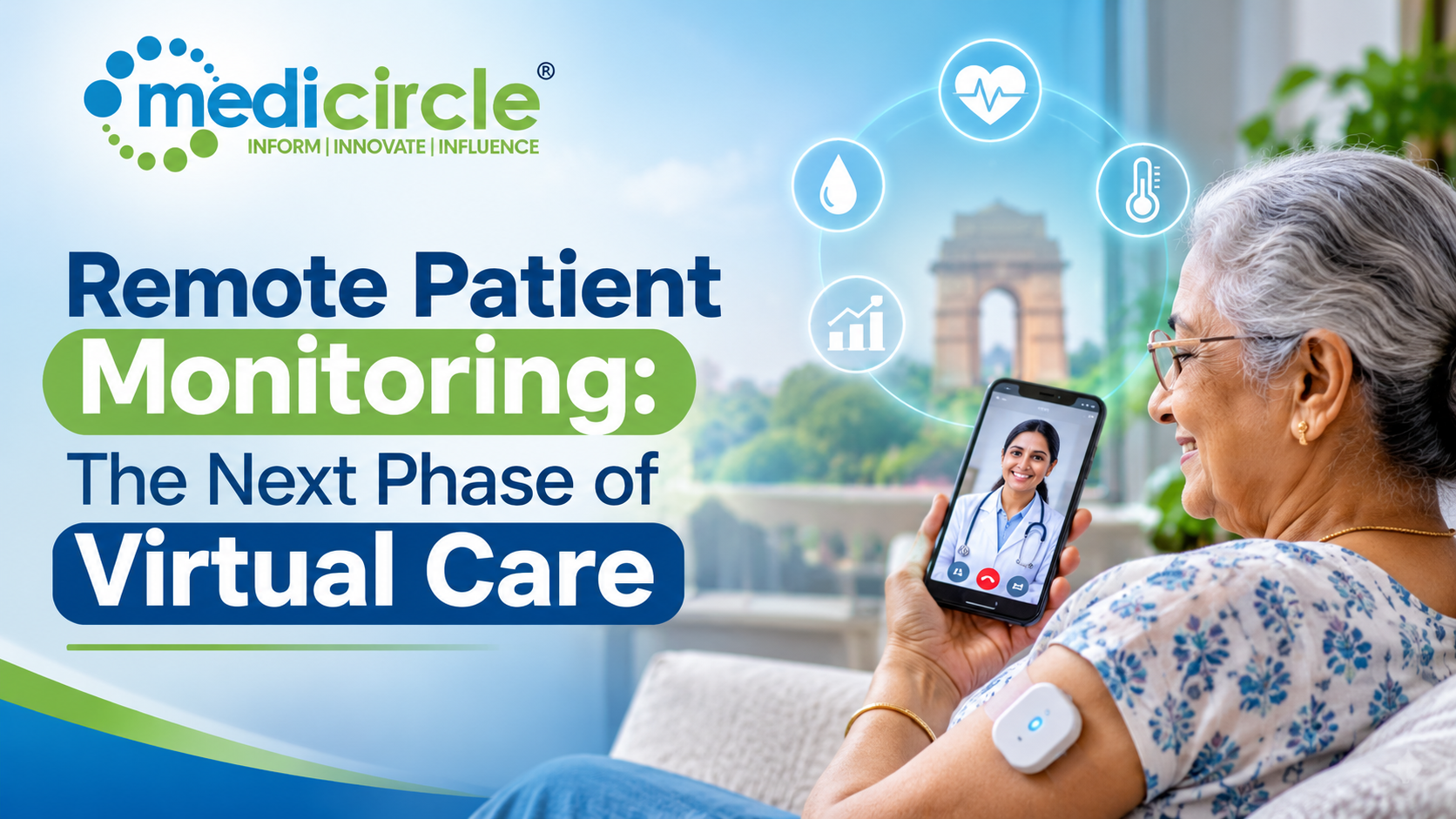
Remote patient monitoring (RPM) through wearable devices and home-based sensors is a proven strategy for chronic disease management. However, RPM depends on consistent, reliable data transmission from patient devices to clinical platforms. In areas where internet connectivity is weak or inconsistent, RPM systems frequently fail to deliver timely data.
5G can support reliable RPM even in settings that were previously too remote or connectivity-poor to participate in digital health programmes. A patient with hypertension in a small town in Madhya Pradesh could wear a 5G-connected blood pressure monitoring device that transmits readings to their treating physician's dashboard in real time, allowing for proactive medication adjustments without requiring a clinic visit.
For India's large elderly population, many of whom live in settings with limited access to frequent clinical care, 5G-enabled RPM represents a genuinely impactful development in preventive and chronic care management.
Challenges and Barriers to 5G Adoption in Indian Healthcare
It would be incomplete and inaccurate to present 5G as a solution without acknowledging the significant challenges that stand between current reality and the future it promises.
The most pressing challenges include:
- Uneven network rollout: 5G coverage in India is currently concentrated in large metropolitan areas. Rural and semi-urban regions, which stand to benefit most from 5G-enabled healthcare, are likely to receive full coverage much later.
- Infrastructure and device costs: 5G-compatible medical devices, hospital infrastructure upgrades, and network hardware represent substantial capital expenditure that many hospitals, particularly in the public sector, may not be able to absorb in the near term.
- Digital literacy: Effective use of 5G-enabled health tools requires a level of digital literacy among both healthcare workers and patients that is not yet uniformly present across India.
- Data privacy and security: The increased data flows enabled by 5G raise important questions about patient data privacy, data sovereignty, and cybersecurity. India's Digital Personal Data Protection Act, 2023 provides a legal framework, but implementation and enforcement remain works in progress.
- Regulatory readiness: Regulatory bodies including the Central Drugs Standard Control Organisation (CDSCO) and the National Medical Commission (NMC) will need to evolve their frameworks to address 5G-enabled medical devices, remote surgery protocols, and AI diagnostic tools.
None of these challenges are insurmountable, but they require deliberate policy action, public-private collaboration, and sustained investment to address.
The Road Ahead: 5G and the Future of Healthcare in India
India's 5G healthcare journey is in its early stages, but the trajectory is clear. The convergence of 5G connectivity with artificial intelligence, robotics, the Internet of Medical Things, and advanced diagnostics creates a genuinely transformative possibility for how healthcare is delivered across the country.
For the vision to be realised equitably, 5G health applications must not remain confined to premium private hospitals in metros. The real test of 5G's impact on Indian healthcare will be whether it reaches the district hospital in Bihar, the primary health centre in Jharkhand, or the tribal health post in Chhattisgarh.
Government programmes such as ABDM, PM-WANI, and the BharatNet broadband initiative are laying groundwork that 5G can build upon. Healthcare technology companies, hospital networks, and telecom providers will need to collaborate closely to design 5G health solutions that are affordable, scalable, and clinically appropriate for the Indian context.
Medicircle continues to track developments in digital health and healthcare technology closely, bringing expert perspectives and credible analysis to healthcare professionals, hospital leaders, and health-aware citizens across India.
Frequently Asked Questions
Q1: How will 5G improve telemedicine in India?
5G enables high-definition, real-time video consultations with virtually zero lag, making telemedicine more reliable and accessible, especially for patients in rural and remote areas of India. It allows consultations to feel closer to in-person interactions, improving diagnostic accuracy and patient confidence.
Q2: Is 5G-enabled remote surgery possible in India?
Remote surgery powered by 5G is technically feasible, as demonstrated by pilot programmes internationally. In India, it remains in the early stages of exploration. The ultra-low latency of 5G removes the most critical technical barrier, but regulatory, infrastructural, and training challenges must still be addressed before clinical deployment becomes widespread.
Q3: What are the challenges of implementing 5G in Indian healthcare?
Key challenges include uneven network rollout across the country, high infrastructure and device costs, digital literacy gaps among healthcare workers and patients, data privacy and cybersecurity concerns, and the need for updated regulatory frameworks that address 5G-enabled medical technologies and remote clinical procedures.
Q4: How does 5G support AI-powered diagnostics?
5G's high-speed data transfer allows real-time transmission of large medical imaging files, including MRI and CT scans, to AI analysis platforms. This enables faster diagnostic processing, supports frontline health workers with limited clinical training, and makes expert second opinions available in near real-time regardless of geographic distance.
Q5: Will 5G help bridge the rural-urban healthcare gap in India?
5G has strong potential to narrow this gap by enabling reliable telemedicine, remote patient monitoring, and specialist consultations in underserved areas. However, achieving this will require coordinated investment from the government and private sector, alongside expansion of 5G infrastructure into rural and semi-urban regions.
Resources
- Ayushman Bharat Digital Mission (ABDM): Official government initiative building India's national digital health infrastructure, relevant to understanding 5G integration in healthcare delivery systems.
- Ministry of Health and Family Welfare (MoHFW): Source for India's official Telemedicine Practice Guidelines and health policy frameworks applicable to digital and 5G-enabled healthcare.
- NITI Aayog National Strategy for Artificial Intelligence: Policy document outlining India's approach to AI in healthcare, with relevance to 5G-enabled AI diagnostic tools and health technology strategy.
- National Accreditation Board for Hospitals and Healthcare Providers (NABH): Accreditation standards body whose evolving quality frameworks align with smart hospital and connected healthcare technology adoption.
- World Health Organization (WHO) Digital Health Guidelines: International framework for digital health tools, relevant to assessing 5G-enabled telemedicine, remote monitoring, and health AI standards globally.
Interlinking Keywords
5G telemedicine India, remote patient monitoring, smart hospitals India, AI diagnostics healthcare, Internet of Medical Things, Ayushman Bharat Digital Mission, digital health India, robotic surgery India, healthcare technology, rural healthcare access India
Last reviewed by:
Dr. Manthan Tripathi, Medicircle Editorial and Medical Advisory Team on 24, November 2026.
Disclaimer
The information provided in this article is intended for general awareness and educational purposes only. It does not constitute medical advice, diagnosis, or treatment recommendations. Readers should consult a qualified and registered medical professional for any personal health concerns or medical decisions. Medicircle does not endorse any specific technology, product, service, or healthcare provider mentioned in this article. All clinical decisions should be made under the supervision of a licensed healthcare professional.





-23-300x250.png)