DRDO increases number of ICU beds to 500 in Sardar Vallabhbhai Patel COVID Hospital at Delhi Cantt


Deprecated: strlen(): Passing null to parameter #1 ($string) of type string is deprecated in /home/medicircle/public_html/script_newsdetails.php on line 75
▴ DRDO increases number of ICU beds to 500 in Sardar Vallabhbhai Patel COVID Hospital at Delhi Cantt
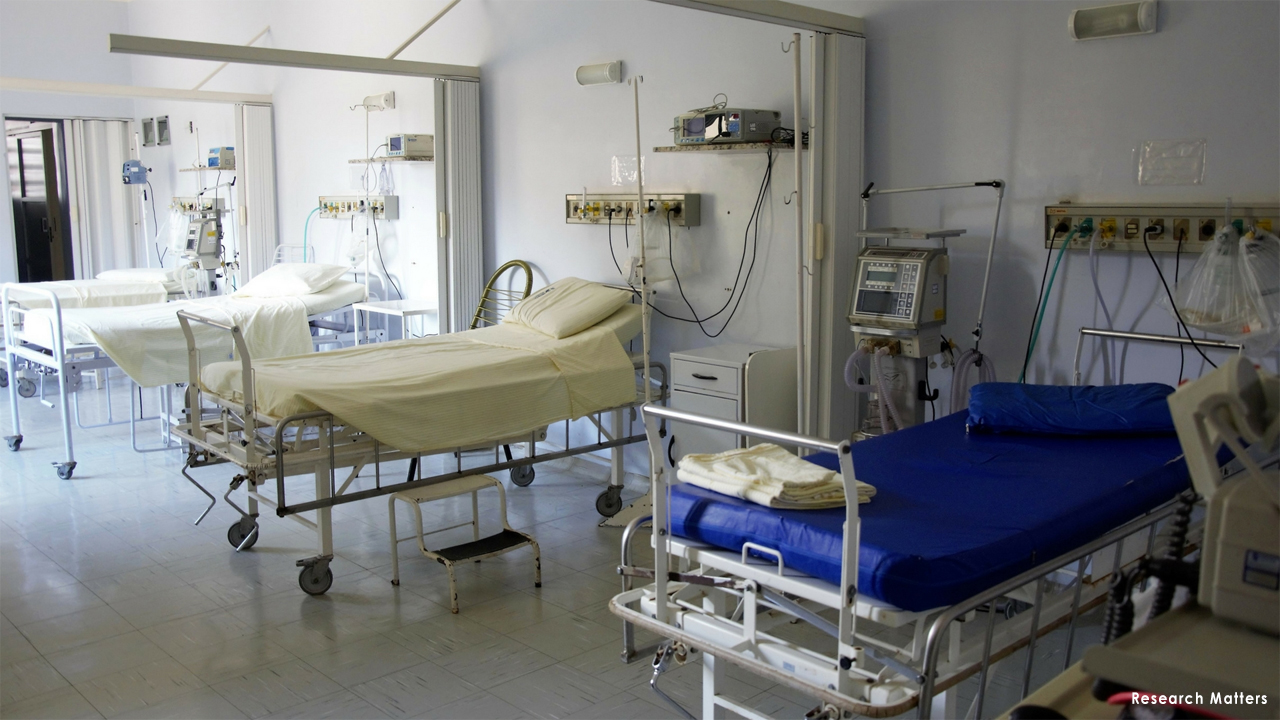
Defense Research and Development Organisation (DRDO) has increased the number of ICU beds to 500 in Sardar Vallabhbhai Patel COVID Hospital at Delhi Cantonment.


Defense Research and  Development Organisation (DRDO) has increased the number of ICU beds to 500 in Sardar Vallabhbhai Patel COVID Hospital at Delhi Cantonment.

It has been done on the advice of the Central Government in view of the rising number of cases in Delhi NCR. All the beds are provided with oxygen support. 

The Ministry of Defence has said that Sardar Vallabhbhai Patel COVID Hospital is DRDO’s 1000 bed facility, which was made operational on 5th July this year with a mandate to treat COVID-19 positive patients from Delhi and other States. The increase in the number of ICU beds required additional equipment like ICU monitors and up-gradation of existing oxygen pipelines. 


To deal with the unprecedented surge in the number of cases, Armed Forces Medical Services has increased the medics. Doctors and nursing staff from ITBP, CAPF, and other services have joined and are working round the clock.

In this hospital, patients are treated free of cost including diagnostics, medicines, and food. 

The patients being treated in the hospital have expressed satisfaction and appreciation for the care and hygienic facilities at the hospital.

The hospital has been admitting patients from all over Delhi and adjoining states like Haryana, Rajasthan, Uttar Pradesh, Himachal Pradesh, Punjab, and Madhya Pradesh.


Tags : #India #IndianGovernment #DRDO #ICUBeds #SardarVallabhbhaiPatelHospital #CovidHospital #Delhi #CentralGovernment #Covid19 #FightAgainstCovid19 #Doctors #Nurses #HealthWorkers

Related Stories

Loading Please wait...

-Advertisements-


Trending Now

Digital Identity Fraud in Healthcare: What India Must KnowNovember 18, 2026
Wearables in Clinical Care: When Should Doctors Trust the Data?November 18, 2026
Cybersecurity for Medical Startups: What Founders MissNovember 18, 2026
Remote Patient Monitoring: The Next Phase of Virtual CareNovember 18, 2026
Digital Health Wallets: Future of Medical Records in IndiaNovember 17, 2026
How Hospitals Can Prepare for a Transparent Healthcare MarketNovember 17, 2026
Childhood Nutrition: Understanding Micronutrient Gaps Beyond CaloriesNovember 16, 2026
Anaemia in Adolescent Girls: Connecting Prevention, Testing and Nutrition SupportNovember 16, 2026
Health Information Exchanges in India: Are Medical Records Finally Going Portable?November 16, 2026
Hospital Accreditation in 2026: What Is Changing Beyond the Checklist?November 16, 2026
Digital Insurance Platforms and India's Health Coverage FutureNovember 14, 2026
ABDM 2.0: India's Digital Health Ecosystem FutureNovember 14, 2026
Vaccine Cold-Chain Management: Protecting Immunisation Quality From Storage to DeliveryNovember 14, 2026
Foodborne Illness Surveillance: How Public Health Systems Track RisksNovember 14, 2026
Interoperability in Indian Healthcare: Why Patient Data Still StrugglesNovember 13, 2026
Tuberculosis Contact Screening: How Preventive Care Works Around ExposureNovember 13, 2026
COPD Care in India: Linking Diagnosis, Inhaler Education and Follow-UpNovember 13, 2026
Management of ANCA Glomerulonephritis: Induction & Maintenance ProtocolsNovember 12, 2026
Smart Hospital Command Centres Transforming IndiaNovember 12, 2026
Gamma Knife Surgery in India: What You Need to KnowNovember 12, 2026