 Thursday, October 08, 2026
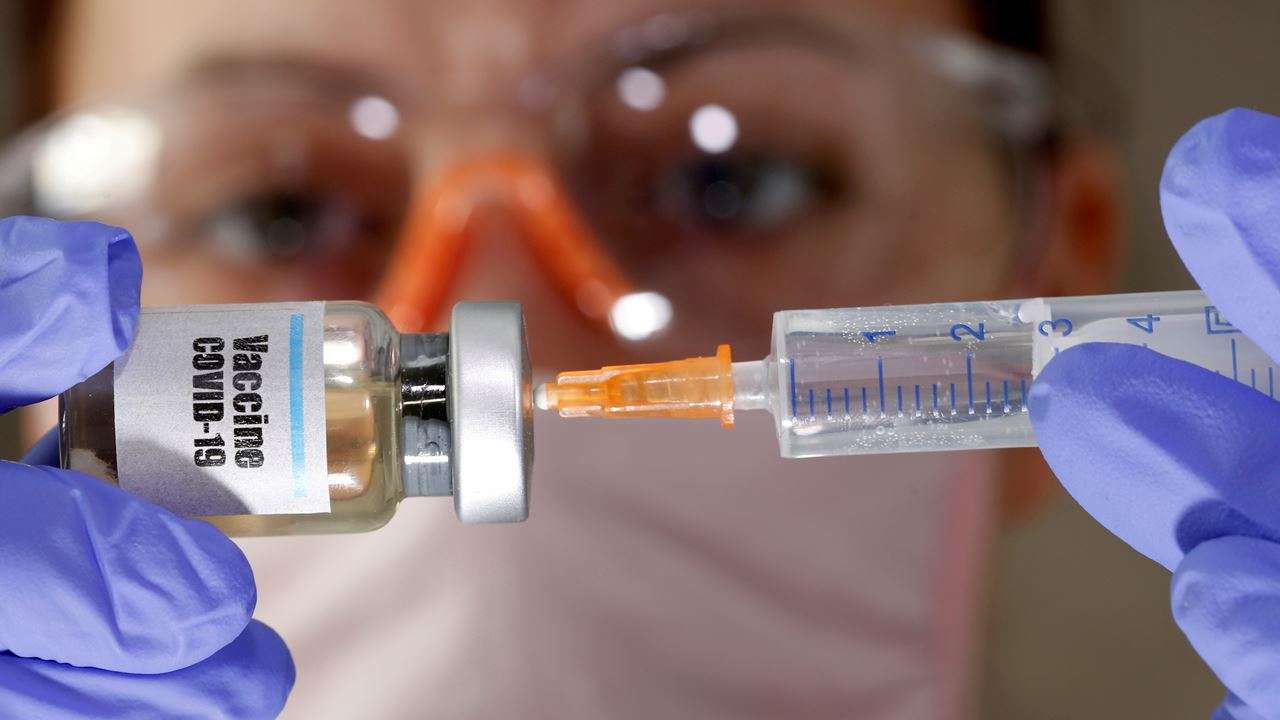
 The COVID vaccine is more than 50% effective and ensures you get maximum efficacy as informed by the Food and Drug Administration. The main goal of the FDA is to convert the severe disease of the COVID to “no disease”





The COVID19 vaccine is on the fast track and creating great buzz this pandemic. Many researchers have spent a lot of their time and energy to get a suitable vaccine to control the spread of coronavirus. Ruth Karron, MD, is one of the top vaccine experts in the world, serving the vaccines committees for the Center for Disease Control and Prevention(CDC), the World Health Organization WHO, and the Food and Drug Administration (FDA). Ruth Karron leads the Center of Immunization Research at the Johns Hopkins Bloomberg School of Public Health.
Guidelines by The Food and Drug Administration
Recently, the FDA issued guidelines about the development of COVID19 vaccines. The guidelines issued to the vaccine manufacturers say that the vaccine for COVID is available to the general public and needs to be 50 % effective. This means people who are going to get vaccinated will be 50 % less likely to get COVID disease or whichever endpoint is noted during the trial. This is a reasonable goal that can be achieved for coronavirus infection.
The severity of COVID 19 disease can be reduced with a vaccine which can improve the chances of immunity. So, a vaccine that is 50 % effective against mild COVID disease is the endpoint of the clinical trial. There are many clinical trials going on for the COVID vaccine to be the maximum effect. Reducing the number of deaths with the COVID 19 vaccine can be very effective and a major achievement.
Vaccine protection
Time will tell about the efficacy of vaccines which is 70 %. The studies based on the data say that vaccines are 70 % effective. We need to do regular follow-ups and close monitoring of the people who have received the COVID vaccine to get the response. The chances are good that they may be exposed to milder forms of COVID in the future. But, let's not forget the different strains of COVID that are coming up worldwide. We need to know the durability of the immune response in people. The main hope is that the protection would last for 1 year and would give us time to effectively come up with some good medicines, treatment, and therapy for COVID in the meantime. After a year, we can think of the administration of booster doses that can be effective for COVID19.
Severe disease to “no disease”
It is possible that the vaccines might not give entire protection from COVID disease and you might suffer from a mild form of COVID. The protection is given to boost your immune response against COVID. From a public health perspective, it is acceptable to be cautious and take some prevention measures. If we turn a severe disease into “no disease” that will be a complete victory.
The Food and Drug Administration inspection for COVID 19 vaccine
The Food and Drug Administration’s (FDA) inspections and assessments are thorough about the quality reviewing of vaccines. The manufacturing procedures including records, staff training, facility operations, drug production, and testing are very much in place to ensure the product quality of vaccines. The Food and Drug Administration (FDA) gives regular observations concerning the quality of vaccines based on the requirement and standard protocols. These observations are outlined in the inspection report by The Food and Drug Administration also known as the “FDA form 483”
The Food and Drug Administration can do everything at its level best to maintain high-quality standards for the efficacy of vaccines. It is important that every citizen of the nation receives the vaccines and work hard towards maintaining trust in the Food and Drug Administration





.jpeg)










.jpg)
.jpg)
.jpg)
.jpg)
.jpg)
.jpg)


.jpg)