Tuesday, October 06, 2026
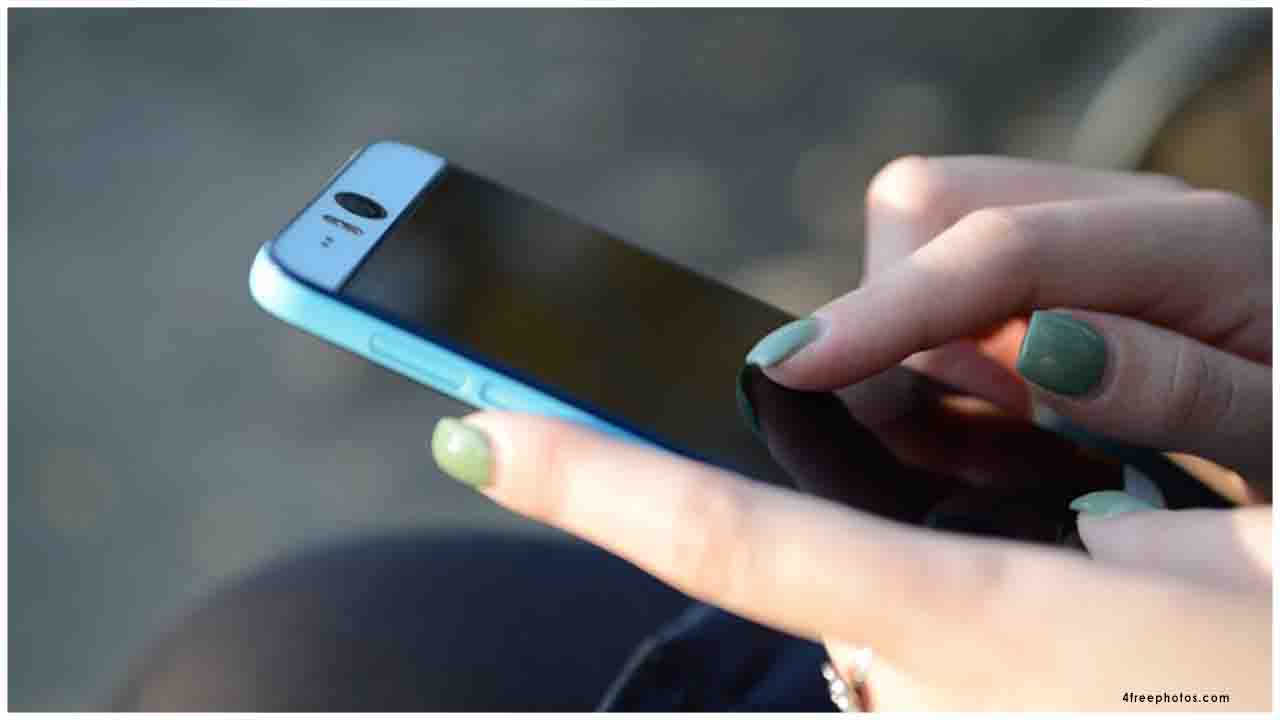
 This is expected to provide the patients psychological support




The Central Government has written to all states and Union Territories asking that smartphones and tablet devices should be allowed for hospitalized COVID-19 patients so that they can interact with family and friends through video conferencing.
This is expected to provide the patients psychological support. Though mobile phones are allowed in hospital wards, the letter was issued following some representation from the kin of patients alleging that mobile phones are not being allowed by the hospital administrations.
In the letter to the Principal Secretaries of health and medical education of States and UTs, Director General of Health Services in the Health Ministry, Dr. Rajiv Garg said, appropriate protocols for disinfecting devices and allocating time slots can be developed by the hospital concerned to facilitate contact between patients and their family.
He stressed that administrative and medical teams should be responsive to the psychological needs of patients admitted in COVID-19 wards and ICUs.
Meanwhile, the Health Ministry has issued fresh guidelines for arriving international passengers which will be operational from 8th August. The guidelines state that before planning to travel, all travelers should submit a self-declaration form on the online portal - new Delhi airport.in at least 72 hours before the scheduled travel.
They should also give an undertaking on the portal that they would undergo mandatory quarantine for 14 days. This includes 7 days paid institutional quarantine at their own cost followed by 7 days isolation at home with self-monitoring of health.
Home quarantine may be permitted for 14 days only for compelling reasons such as pregnancy, death in the family, or serious illness. Travellers may also seek exemption from institutional quarantine by submitting a negative RT PCR test report upon arrival. The test should have been conducted within 96 hours prior to undertaking the journey.
Before boarding, Do's and Don'ts will be provided along with tickets to the travelers by the concerned agencies. All passengers will be advised to download the Arogya Setu App on their mobile devices. Only asymptomatic travelers will be allowed to board after the thermal screening.
On arrival, the thermal screening will be carried out by the health officials present at the airport, seaport or landport. The passengers found symptomatic during screening will be immediately isolated and taken to a medical facility as per health protocol.
States can develop their own protocol with regards to quarantine and isolation as per their assessment post-arrival of passengers in the State.






.jpeg)




.jpg)
.jpg)
.jpg)
.jpg)
.jpg)
.jpg)


.jpg)
.jpg)
.jpg)
.jpg)
.jpg)
.jpg)