 Tuesday, October 27, 2026
.jpeg)
 Hospitals can improve patient experience through empathetic communication, respectful interactions, supportive environments, inclusive care, and thoughtful discharge planning, fostering trust, dignity, and active patient participation in healing.




Walking into a hospital often brings a wave of anxiety, a feeling that is universal. Consider the possibility of leaving that same hospital feeling not only treated but truly cared for and respected. The real measure of a hospital’s quality is increasingly found not just in medical outcomes but in the overall patient experience it provides. Within India’s evolving healthcare landscape, this shift toward patient-centered care is fundamentally changing our understanding of healing.
For many years, a successful hospital visit was judged purely by clinical results, focusing on surgical success or medication efficacy. Today, we recognize that the manner of care delivery holds equal importance. A positive experience builds essential trust, which makes patients more likely to follow medical advice and participate actively in their recovery. This approach transforms a clinical facility into a genuine partner in overall wellbeing.
The question then becomes how hospitals can intentionally craft this positive journey from start to finish.
First Contact, Lasting Impact:
Trust is built from the very first interaction, which begins not in the doctor’s cabin but at the hospital gate, the reception desk, or during the initial telephone call. A polite and efficient welcome can cut through a patient’s fear. Conversely, a confusing or indifferent greeting can cast a shadow over everything that follows.
Investment in people remains key. Training security personnel, front-desk executives, and other helpers in basic empathy and clear communication can change the entire atmosphere. A sincere smile, clear directions offered in a visitor’s preferred language, and a simple explanation of the following steps are powerful gestures. These actions signal deep respect and immediately make patients or worried family members feel seen, understood, and safe.
Conversations That Heal:
After admission, communication becomes the most important factor shaping a patient’s experience. This concept extends far beyond a doctor delivering a diagnosis. It lives in the nurse who patiently listens to concerns, the technician who explains a procedure in simple terms, and the entire team that makes a person feel like an individual rather than a case number.
Effective communication is directly linked to better health outcomes. When medical staff use plain language, practice active listening, and ensure patients fully understand their care plan, anxiety decreases while confidence grows. Consider a nurse who conducts a bedside shift report by speaking with the patient directly. This small act fosters a powerful sense of partnership and respect, inviting the patient to become an active participant in their own care process.
The Space around Us:
A hospital’s physical environment communicates care without words. Cleanliness is a basic right, yet a truly healing environment demands more attention. Reflect on the noise levels in a shared ward at night, the harsh glare of fluorescent lighting, or the absence of a comfortable chair for a family member providing support.
These environmental factors influence recovery, not merely comfort. Access to natural light can lift a patient’s spirits. Quiet spaces promote the restful sleep that is crucial for physical healing. Thoughtful design offering greater privacy and calm actively supports the body’s healing processes and preserves patient dignity in a meaningful way.
The Journey Home:
A poorly managed discharge process can unravel the trust built over days of competent clinical care. This moment of transition, moving from constant professional support to managing one’s own health at home, is when many individuals feel most vulnerable.
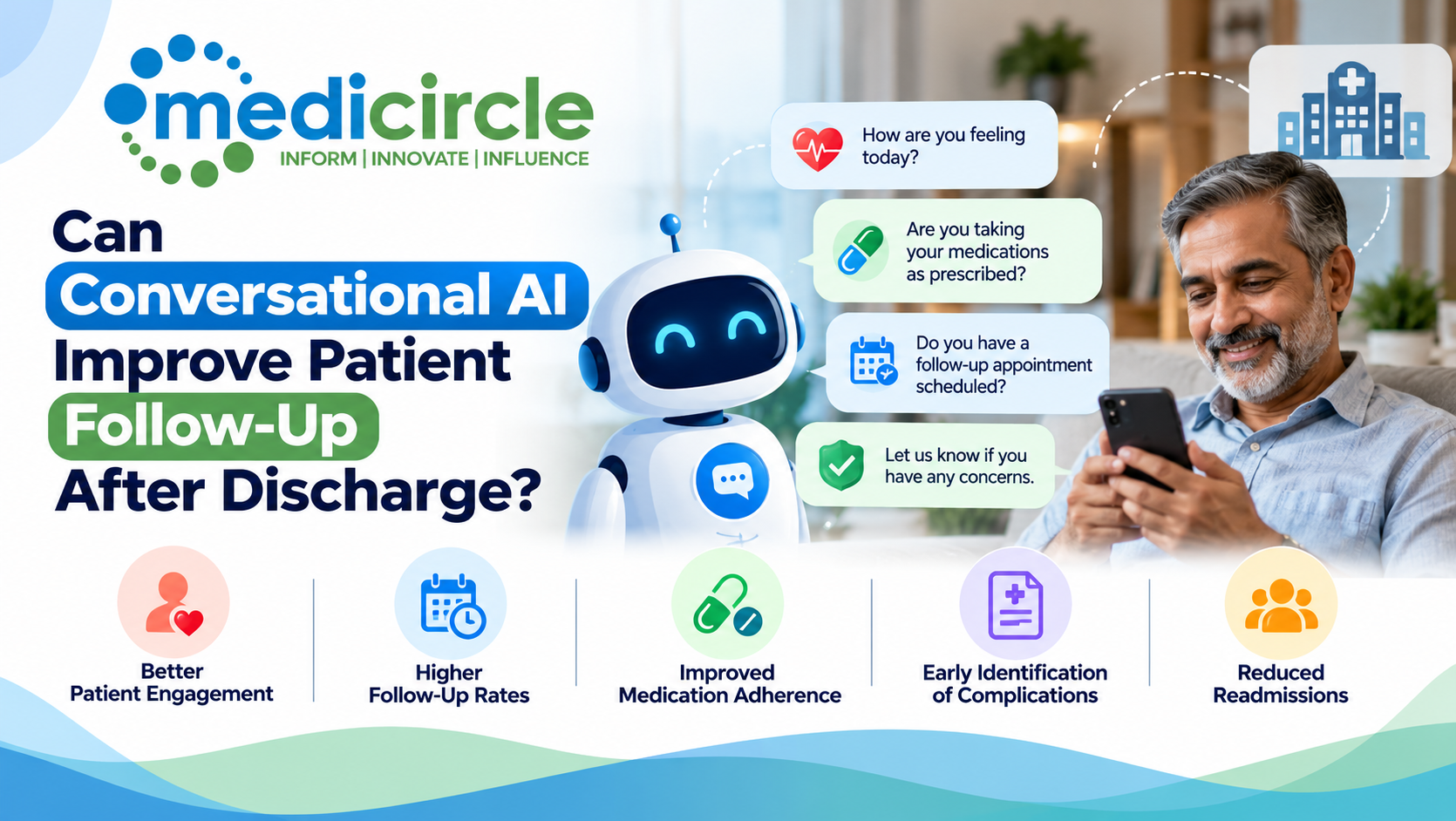
A thoughtful discharge process must be thorough and compassionate. It requires providing clear written instructions about new medications, a printed list of warning signs to monitor, and a confirmed follow-up appointment before departure. Forward-thinking hospitals begin planning for discharge early, particularly for elderly patients or those with complex conditions. A simple telephone check-in a few days after returning home can provide immense reassurance and catch minor concerns before they escalate into larger problems.
Care for Every Community:
India possesses incredible diversity which stands as its strength, and the healthcare system must reflect this reality. A positive patient experience must be accessible to every individual, regardless of language, region, or cultural background. Achieving this goal requires practical steps such as providing interpreter services, displaying signs in multiple languages, and training staff in cultural sensitivity.
True patient-centered care respects personal beliefs and involves families in shared decision-making. It ensures the treatment plan honors a patient’s life and personal values. When hospitals embrace this level of inclusivity, they move beyond merely treating illness to honoring the individual, thereby fulfilling the fundamental purpose of healthcare.
Building a Culture of Care:
Ultimately, improving the patient experience is about embedding a culture of respect and empathy at every organizational level. This commitment must extend from senior management to every staff member who interacts with a patient. It requires a continuous dedication to listening to patient feedback and the humility to make improvements based on that input.
For platforms engaged with healthcare storytelling, this evolution toward holistic and experience-focused care represents a hopeful development. It signals a move from a system that addresses ailments in isolation to one that nurtures the whole person.
A simple yet profound question for any healthcare provider might be the following: would you be happy for your own family to receive care here? When the answer is a confident and heartfelt affirmation, it signifies the hospital provides something invaluable. It delivers an experience that heals, comforts, and upholds human dignity at every single step of the journey.





-23-300x250.png)

.jpeg)







.jpg)
.jpg)
.jpg)
.jpg)
.jpg)
.jpg)
.jpg)
.jpg)
.jpg)

