Tuesday, October 06, 2026
 As the globe prepares to observe World Health Day, St. George’s University (SGU) School of Medicine in Grenada, West Indies, has emphasized the importance of addressing one of the most pressing challenges facing the sector worldwide - the growing shortage of physicians.




As the globe prepares to observe World Health Day, St. George’s University (SGU) School of Medicine in Grenada, West Indies, has emphasized the importance of addressing one of the most pressing challenges facing the sector worldwide - the growing shortage of physicians.
The World Health Organization (WHO) estimates that there will be a deficit of approximately 10 million health workers by 2030 with the most significant gaps set to found in low-and middle-income countries.
Today, rising life expectancy, aging populations and a growing burden of non-communicable disease continue to put pressure on global health systems. This has meant medical professionals are faced with increased responsibilities and tasks, that can lead to burnout and reduce their ability to provide optimal care for patients.
In India and other rapidly developing markets, the challenge goes beyond simply addressing current demand and ensuring there are sufficient training opportunities, ample faculty capacity aligned with healthcare system needs.
Recognizing the importance of addressing this issue, SGU is playing its part by empowering India's next generation with the skills and knowledge to support the development of clinical competencies relevant to cancer care across healthcare settings.
In India and other rapidly developing healthcare markets, the challenge extends beyond meeting current demand to ensuring access to high-quality, specialised training opportunities for medical professionals.
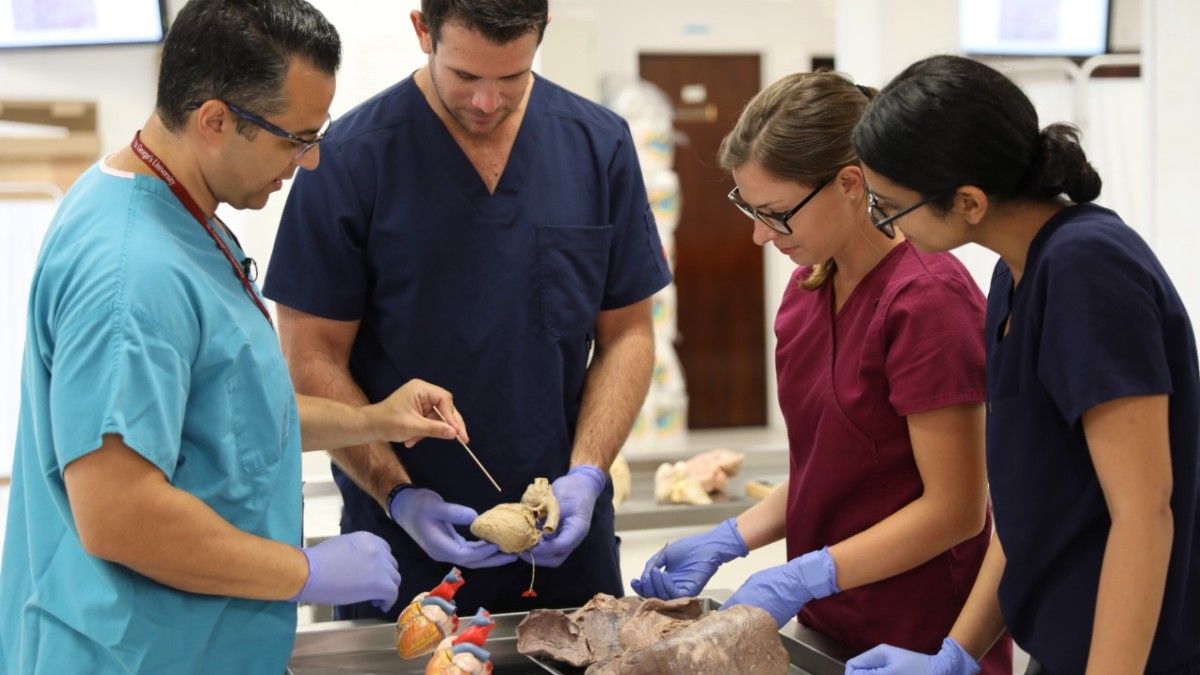
SGU’s curriculum focuses on foundational sciences, early clinical exposure, and multidisciplinary training to prepare graduates for complex healthcare environments. Additionally, aspiring doctors from different educational backgrounds can benefit from one of its multiple program/tracks with the four-year Doctor of Medicine (MD) program and five-, six-, or seven-year MD tracks to choose from.
Students can then put their skills and medical knowledge into the daily use in real healthcare environments across more than 75 affiliated hospitals and health centers in the United States and United Kingdom.
With more than 25,000 graduates practicing medicine across multiple countries and healthcare settings, SGU physicians contribute to addressing workforce shortages while bringing valuable cross-cultural perspectives to patient care.
Additionally, SGU offers a dual MD/MPH degree pathway designed to equip future physicians with a broader understanding of public health. By integrating clinical medicine with disciplines such as epidemiology, health policy, and population health, the program prepares graduates to address healthcare challenges both at patient and community and systems level.
As global health systems pursue Universal Health Coverage (UHC) targets, expanding access to high-quality medical education remains central to long-term workforce resilience. Strengthening physician training pathways is not simply an academic priority it is a strategic healthcare imperative.
For more information on the programs and tracks available through SGU School of Medicine, visit SGU’s website.






.jpeg)
.jpg)
.jpg)
.jpg)
.jpg)
.jpg)
.jpg)


.jpg)
.jpg)
.jpg)
.jpg)
.jpg)
.jpg)