 Saturday, October 10, 2026
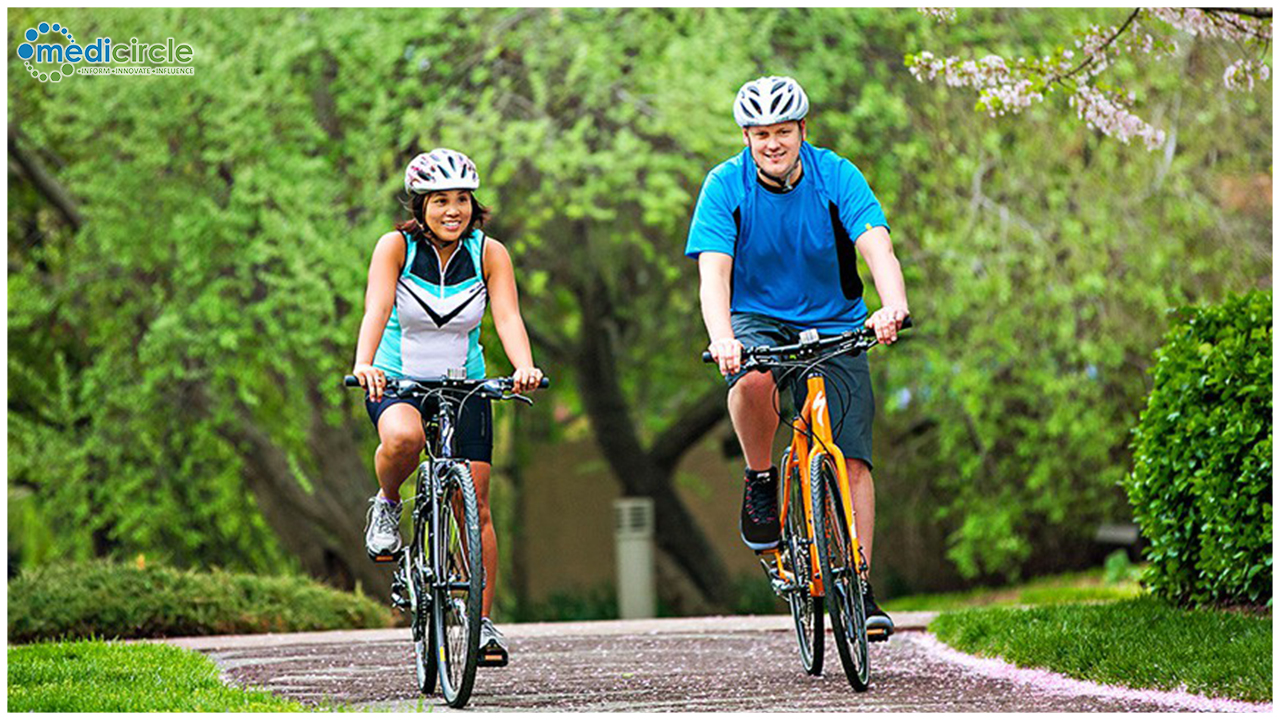
 Many researchers have performed experiments that have proved cycling is not only good for your body but also or your mind.




How Cycling Can Improve Your Mental Health
A normal cycling routine can help oversee weight, lower cholesterol and lessen the danger of coronary illness. Past that, cycling has been appeared to help construct intellectual capacity and help enthusiastic wellbeing by lessening pressure and tension, and perhaps battle against neurological ailments like Alzheimer's, Parkinson's and schizophrenia.
HOW CYCLING BOOSTS BRAIN HEALTH
The cerebrum needs a consistent stock of blood to move oxygen and supplements for it to work at its best, which makes practice particularly significant. As you ride a bicycle, nerve cells make a protein called BDNF by definitely expanding the creation of neurons that lead to the arrangement of new synapses.
Right now, subjects with focal sensory system issues related to either metabolic disorder or Type 2 diabetes and a decrease of BDNF were joined up with a 12-week indoor cycling routine. Following 12 weeks of cycling, their serum BDNF expanded fundamentally. More elevated levels of BDNF are known to lessen the danger of diabetes and stroke and advance sound cerebrum movement while bringing down your odds of creating infections like Parkinson's and Alzheimer's.
In another ongoing examination led in the Netherlands, analysts investigated whether cycling can expand the respectability of white issues in the cerebrum since the white issue is the piece of the mind that causes transport data to the cerebral cortex and different locales of the cerebrum. On the off chance that the white matter of the cerebrum isn't working effectively, eased back reasoning and a reduction in engine abilities can without much of a stretch create.
During the investigation, 33 patients with schizophrenia and 48 sound people were exposed to a half year of activity on a stationary cycling mentor. In the wake of leading a progression of cerebrum checks, the examination finished up the respectability of white issues fundamentally expanded in both schizophrenic and sound people. This is significant in light of the fact that a customary way of life that doesn't include steady exercise can diminish the respectability of white issues and corrupt after some time.
HOW CYCLING BOOSTS EMOTIONAL HEALTH
You're most likely mindful of the "high" you some of the time feel after a particularly long or troublesome ride, regardless of whether it's as Improved state of mind, decreased pressure or upgraded memory. For reasons unknown, cycling is one of the exercises that has been appeared to deliver a characteristic cannabinoid called anandamide. This initiation during cycling works along these lines as when cannabis is brought into the framework, bringing about a progressively loose and euphoric express that can help improve the state of mind and reduce mental pressure.
One more investigation saw how cycling may assist with forestalling and treat gloom and uneasiness in the cerebrum by bringing down cortisol levels — a hormone that has for quite some time been related to passionate wellbeing and prosperity. Eighteen patients were sedated and treated for burdensome manifestations were inspected for changes in cortisol levels when accelerating a stationary bike each day for 15 minutes. Inside one month, patients who took an interest in the investigation indicated brought down cortisol levels and diminished burdensome side effects, with some moving into abatement.
Approaches TO RIDE
Regardless of whether you're riding to bring down your danger of illness or give your general satisfaction a lift, there is a sweet spot you'll have to reach so as to get the most extreme advantage. Here are barely any tips to assist you with doing it right:
Ride for at any rate 30–an hour. After around 30 minutes of activity, endorphins and cannabinoids that improve temperament are discharged in the body. To hone your subjective capacities, you may need to ride for as long as an hour.
Ride at a force between 50–85% of your most extreme pulse. This is the zone you'll have to keep up to support your temperament and avoid wretchedness. This compares to around a 7 out of 10 on your apparent pace of effort scale, which is the thing that you'd expect of a run of the mill bunch ride with companions.
Keep out of the red zone. While you may need to every so often ride hard to improve wellness or train for a major occasion, if your essential objective is emotional well-being, its best to abstain from going excessively hard. This is a result of the overproduction of adrenaline, which can adversely influence dopamine and anandamide synthetic compounds in the cerebrum.
Get outside as much as you can. While indoor cycling can at present improve mental wellbeing as shown by the investigations above, practicing outside can be much progressively useful toward easing pressure, boosting your disposition and decreasing uneasiness.
Be reliable. You don't generally need to ride long or hard. Getting into a daily practice of practicing, in any event, five days out of each week can definitely improve the strength of your body and brain, and all you need is around 30 minutes out of each day.





.jpeg)










.jpg)
.jpg)
.jpg)
.jpg)
.jpg)
.jpg)


.jpg)