 Thursday, October 08, 2026
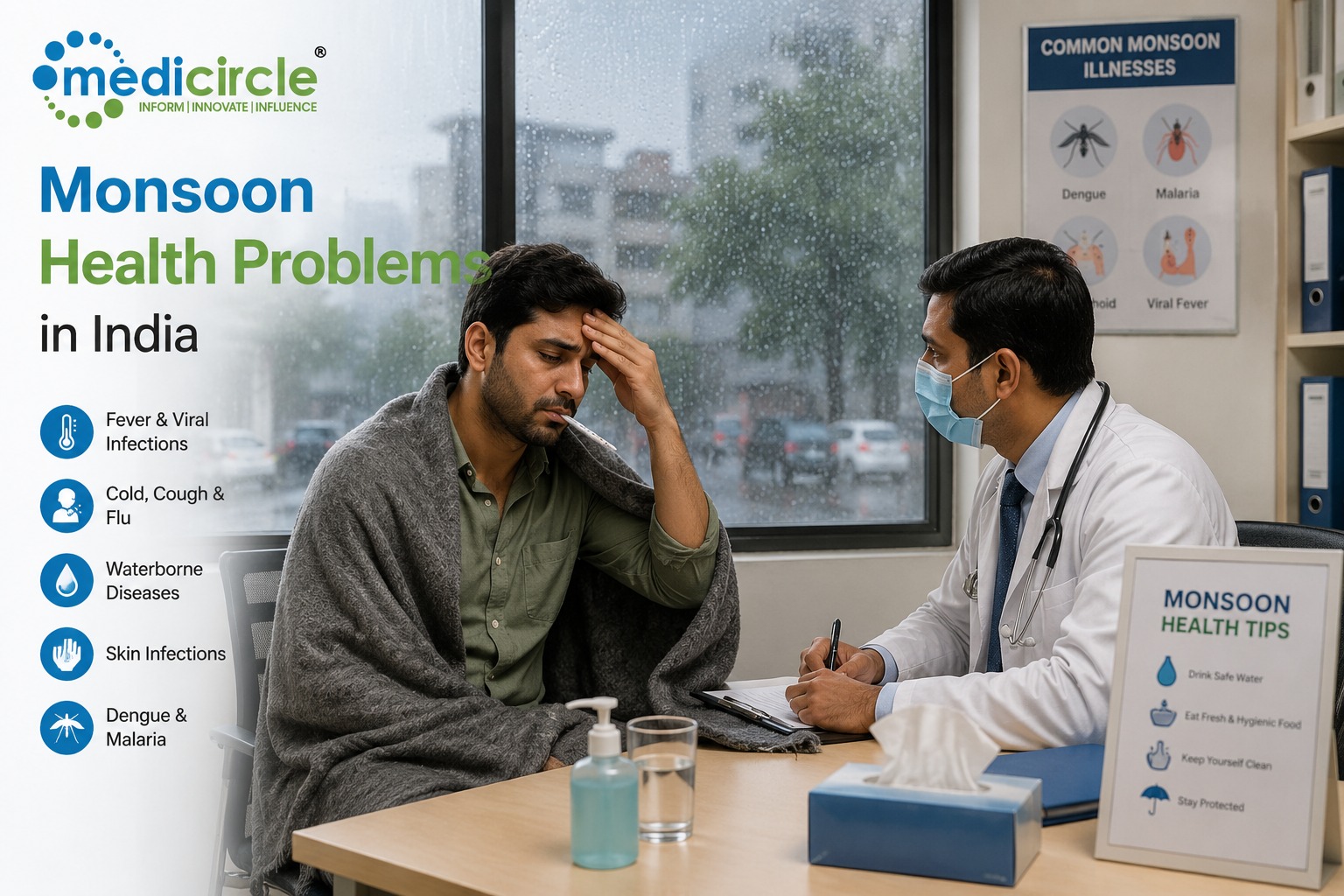
 This article examines common monsoon health problems in India, including dengue, malaria, typhoid, and leptospirosis, explaining their causes, symptoms, diagnosis, treatment, and practical prevention strategies for families.





Introduction
The monsoon season brings welcome relief from the summer heat across most parts of India, but it also marks the start of one of the busiest periods for hospitals and clinics nationwide. Every year, from June through September, doctors across the country see a sharp rise in fever cases, stomach infections, and mosquito-borne illnesses. Understanding why this happens, and what can be done about it, matters for every household, particularly in cities where stagnant water and crowded living conditions create ideal breeding grounds for disease.
This is not a seasonal inconvenience to be brushed aside. Vector-borne and waterborne illnesses linked to the monsoon can range from a few uncomfortable days in bed to serious hospitalisation, especially for children, older adults, pregnant women, and people managing chronic conditions such as diabetes. The good news is that most of these illnesses are preventable with awareness, timely action, and appropriate medical care. This article looks at why monsoon health problems occur, the illnesses that tend to spike during this period, how they are diagnosed and treated, and what practical steps families across India can take to stay protected.
Why Monsoon Season Increases Health Risks
Rainfall changes the environment in ways that directly affect disease transmission. Waterlogging in streets, open drains, and construction sites gives mosquitoes an abundance of breeding sites. At the same time, heavy rain often overwhelms sanitation infrastructure in many towns and cities, allowing sewage to mix with drinking water supplies. This combination is why India continues to report a seasonal rise in both vector-borne diseases, such as dengue, malaria, and chikungunya, and waterborne infections, including typhoid, hepatitis A, and gastroenteritis.
Weather also plays a role in how the body responds to infection. Frequent shifts between hot, humid days and cooler, wet evenings can place additional strain on the immune system. Reduced sunlight during overcast weeks may lower vitamin D synthesis, which some research links to immune function. None of this means illness is inevitable, but it does explain why the same viruses and bacteria that circulate quietly through the year suddenly find easier ground to spread once the rains begin.
There is also a changing pattern worth noting. Health experts have observed that dengue transmission in India is no longer confined strictly to the monsoon months, with several states reporting unusually early cases even before the rains officially arrive. This shift, linked to rising temperatures and changing rainfall patterns, means that vigilance is increasingly a year-round requirement rather than a monsoon-only concern.
Common Monsoon Illnesses in India
Vector-Borne DiseasesMosquito-borne illnesses remain the most closely watched category during monsoon season. Dengue fever, transmitted by the Aedes mosquito that breeds in clean stagnant water, causes sudden high fever, intense headache, pain behind the eyes, and often a rash appearing a few days into the illness. Malaria, spread by the Anopheles mosquito that favours dirtier standing water such as ponds and drains, tends to present as cyclical fever with chills and sweating, often recurring every two to three days. Chikungunya, also carried by Aedes mosquitoes, shares many symptoms with dengue but is particularly known for severe joint pain that can persist for weeks after the fever subsides.
Municipal health data from Delhi in 2026 illustrates how closely these diseases track the rains. Reported dengue and malaria cases have generally trended lower earlier in the season compared to the previous year, though public health officials caution that the months following the onset of monsoon, rather than the early weeks, tend to determine the true scale of the season's outbreak. This is a useful reminder that early calm in case numbers should not lead to complacency.
Waterborne and Foodborne IllnessesTyphoid fever, caused by Salmonella typhi bacteria, spreads through contaminated water and food and remains a significant concern in India, which continues to report one of the highest typhoid burdens globally. Cholera and gastroenteritis follow a similar pattern, often triggered when floodwater mixes with sewage lines or when food handling hygiene slips during the rains. Hepatitis A, a viral liver infection also spread through contaminated food and water, can cause jaundice, fatigue, and loss of appetite, and tends to affect children and young adults in areas with inconsistent water treatment.
Leptospirosis and Skin InfectionsLeptospirosis deserves particular attention in Indian cities that experience urban flooding. The bacteria responsible spreads through water or soil contaminated with the urine of infected animals, and exposure typically occurs when people wade through floodwater, especially with cuts or abrasions on the skin. Symptoms include high fever, severe muscle aches, red eyes, and in more advanced cases, jaundice. Alongside this, prolonged dampness and humidity create favourable conditions for fungal skin infections, particularly in skin folds, between the toes, and other areas where moisture tends to linger.
Respiratory InfectionsThe common cold, seasonal flu, and general viral fever also increase during monsoon due to fluctuating temperatures and crowded indoor spaces during heavy rains. While usually less severe than vector-borne or waterborne illnesses, these infections spread quickly in schools, offices, and public transport, and can complicate recovery for people already managing other health conditions.
Recognising the Symptoms Early
One of the biggest challenges during monsoon season is that many of these illnesses begin with the same set of symptoms: fever, body ache, fatigue, and headache. This overlap is precisely why self-diagnosis is discouraged. A person experiencing fever that lasts more than two days, comes with unusual rash, bleeding, persistent vomiting, severe joint pain, or breathing difficulty should not wait it out at home. Distinguishing between a common viral fever, dengue, malaria, or typhoid requires clinical evaluation and, in most cases, a blood test.
Families with young children, elderly members, or individuals managing diabetes, kidney disease, or immune-suppressing conditions should be particularly attentive, as these groups face a higher likelihood of complications if treatment is delayed.
Diagnosis and Medical Evaluation
Doctors typically rely on a combination of clinical history and laboratory testing to identify the specific illness behind a monsoon fever. Blood tests, including complete blood counts, dengue NS1 antigen and antibody tests, and malaria smear or rapid diagnostic tests, help differentiate between the major vector-borne diseases. Stool and blood cultures assist in confirming typhoid and cholera, while liver function tests support hepatitis A diagnosis when jaundice is present. For suspected leptospirosis, especially in patients with a history of wading through floodwater, specific blood tests can confirm the bacterial infection.
Timely diagnosis matters immensely. Several of these illnesses, particularly dengue and leptospirosis, can progress from manageable to serious within a short window, which makes early testing one of the most valuable steps a patient can take.
Treatment Approaches
Treatment naturally varies by illness. Viral infections such as dengue and chikungunya do not have a specific antiviral cure, so care focuses on hydration, rest, and fever management, generally with paracetamol rather than aspirin or other NSAIDs, which can increase bleeding risk in dengue. Bacterial infections such as typhoid, cholera, and leptospirosis respond to targeted antibiotics, alongside supportive care to manage dehydration and fatigue. Malaria requires antimalarial medication chosen according to the parasite species identified through testing.
Across nearly all these conditions, oral rehydration solutions play an important supportive role, particularly for gastrointestinal illnesses that cause fluid loss. Severe cases, particularly of dengue with warning signs, cholera with significant dehydration, or leptospirosis with organ involvement, may require hospitalisation for intravenous fluids and closer monitoring. This is why medical supervision, rather than home remedies alone, remains essential once symptoms appear serious or persist beyond a couple of days.
Prevention and Proactive Health Measures
Prevention remains the most effective and least burdensome response to monsoon illnesses, and most measures are within a household's control.
- Regularly empty stagnant water from coolers, flowerpots, buckets, and any open containers around the home, since this is where dengue-carrying mosquitoes breed.
- Drink only boiled, filtered, or reliably bottled water, and avoid street food or raw, uncovered items during heavy rains.
- Use mosquito repellents, nets, and full-sleeved clothing, particularly during early morning and evening hours when Aedes mosquitoes are most active.
- Avoid walking through floodwater where possible, and if unavoidable, wear waterproof footwear and wash the skin thoroughly afterward to reduce leptospirosis risk.
- Wash hands frequently, particularly before eating and after using shared or public facilities, to reduce the spread of gastrointestinal and respiratory infections.
Public health infrastructure also plays a supporting role. Government programmes under the National Health Mission and vector control initiatives run by municipal bodies, along with awareness efforts through the Ayushman Bharat Digital Mission, aim to strengthen disease surveillance and community reporting. Individual precautions work best alongside these larger public health systems, and prompt reporting of symptoms to local health authorities can help contain localised outbreaks before they spread further.
Platforms such as Medicircle aim to support this awareness effort by bringing expert medical voices and credible health information directly to the public, helping families recognise early warning signs and make informed decisions about when to seek care, rather than relying on guesswork during a season when timing genuinely matters.
Conclusion
Monsoon health problems in India follow a familiar and largely predictable pattern each year, driven by stagnant water, compromised sanitation, and shifting weather conditions that favour the spread of both vector-borne and waterborne illnesses. While the range of possible infections, from dengue and malaria to typhoid and leptospirosis, can feel overwhelming, the underlying prevention strategies are consistent and achievable: control standing water, protect drinking water and food quality, use mosquito protection diligently, and seek medical evaluation promptly when fever or other symptoms persist. With growing evidence that transmission windows for diseases like dengue are extending beyond the traditional monsoon months, staying informed and prepared has become a year-round responsibility rather than a seasonal one.
Frequently Asked Questions
Q1: Why do so many illnesses spread during the monsoon season in India?
Monsoon rains create stagnant water, high humidity, and sanitation challenges that allow mosquitoes, bacteria, and viruses to multiply rapidly, increasing the risk of vector-borne and waterborne illnesses across Indian cities and towns.
Q2: What is the difference between dengue and malaria symptoms?
Dengue typically causes continuous high fever, severe headache, pain behind the eyes, and a rash, while malaria causes cyclical fever with chills and sweating that recurs every 48 to 72 hours. A blood test is required to confirm either condition accurately.
Q3: How can families in India protect themselves from monsoon illnesses?
Families can reduce risk by eliminating stagnant water around the home, drinking only boiled or filtered water, avoiding street food during heavy rains, using mosquito repellents and nets, and seeking timely medical attention for persistent fever.
Q4: When should someone see a doctor for monsoon-related fever?
Medical attention should be sought if fever lasts more than two days, is accompanied by severe body pain, persistent vomiting, bleeding, breathing difficulty, or signs of dehydration, since several monsoon illnesses can escalate quickly without treatment.
Q5: Are children and elderly people more vulnerable during monsoon?
Yes, children, elderly individuals, pregnant women, and people managing diabetes or weakened immunity face a higher risk of complications from monsoon illnesses and should take extra preventive precautions during the rainy season.
Resources
- National Center for Vector-Borne Disease Control (NCVBDC), Ministry of Health and Family Welfare: Official data and guidelines on dengue, malaria, and vector-borne disease surveillance in India.
- World Health Organization (WHO): Global guidance and fact sheets on dengue, leptospirosis, typhoid, and other monsoon-related infectious diseases.
- Indian Council of Medical Research (ICMR): Research publications and clinical guidance on vector-borne and waterborne disease management in India.
- Ayushman Bharat Digital Mission (ABDM): Government initiative supporting health record digitisation and public health awareness across India.
- National Health Mission (NHM): Government programme focused on disease prevention, sanitation, and community health outreach during high-risk seasons.
Interlinking Keywords
monsoon health problems in India, dengue fever prevention, malaria symptoms and treatment, typhoid fever India, leptospirosis prevention, waterborne diseases monsoon, vector-borne diseases India, monsoon fever care, dengue vs malaria, when to see a doctor for fever
Last medically reviewed by:
Medicircle Editorial and Medical Advisory Team on July 17, 2026
Medical Disclaimer:
This article is intended for general informational and awareness purposes only and does not constitute medical advice, diagnosis, or treatment. Monsoon-related illnesses can present with overlapping symptoms and, in some cases, progress rapidly. Readers experiencing fever, persistent symptoms, or any health concern should consult a qualified healthcare professional for proper diagnosis and treatment. Medicircle does not assume responsibility for decisions made solely on the basis of this content.






.jpeg)








.jpg)
.jpg)
.jpg)
.jpg)
.jpg)
.jpg)


.jpg)
.jpg)
.jpg)