Friday, October 23, 2026

 The global AI in Patient Engagement Market is poised for explosive growth as healthcare providers, payers, and technology leaders accelerate adoption of artificial intelligence (AI)-driven solutions that enhance patient experiences.




The global AI in Patient Engagement Market is poised for explosive growth as healthcare providers, payers, and technology leaders accelerate adoption of artificial intelligence (AI)-driven solutions that enhance patient experiences, streamline clinical workflows, and drive measurable outcomes. According to the latest industry analysis by Polaris Market Research, The global AI in patient engagement market was valued at USD 6.12 billion in 2023 and is expected to grow at a CAGR of 20.9% during the forecast period.
This transformative growth underscores the healthcare sector’s rapidly increasing demand for advanced AI technologies that redefine patient engagement, personalize care delivery, and support value-based healthcare models in an increasingly digital landscape.
Unleashing AI to Improve Patient Engagement and Healthcare Outcomes
Healthcare organizations globally are embracing AI-powered patient engagement platforms to deliver more personalized, efficient, and proactive care. From AI chatbots and virtual assistants to predictive analytics and natural language processing (NLP), these technologies are empowering providers to meet patients where they are while improving adherence, communication, and satisfaction.
Key drivers fueling this adoption include:
- Personalized patient communication: Leveraging AI to analyze individual health data and deliver tailored information, reminders, and recommendations that match patients’ unique needs.
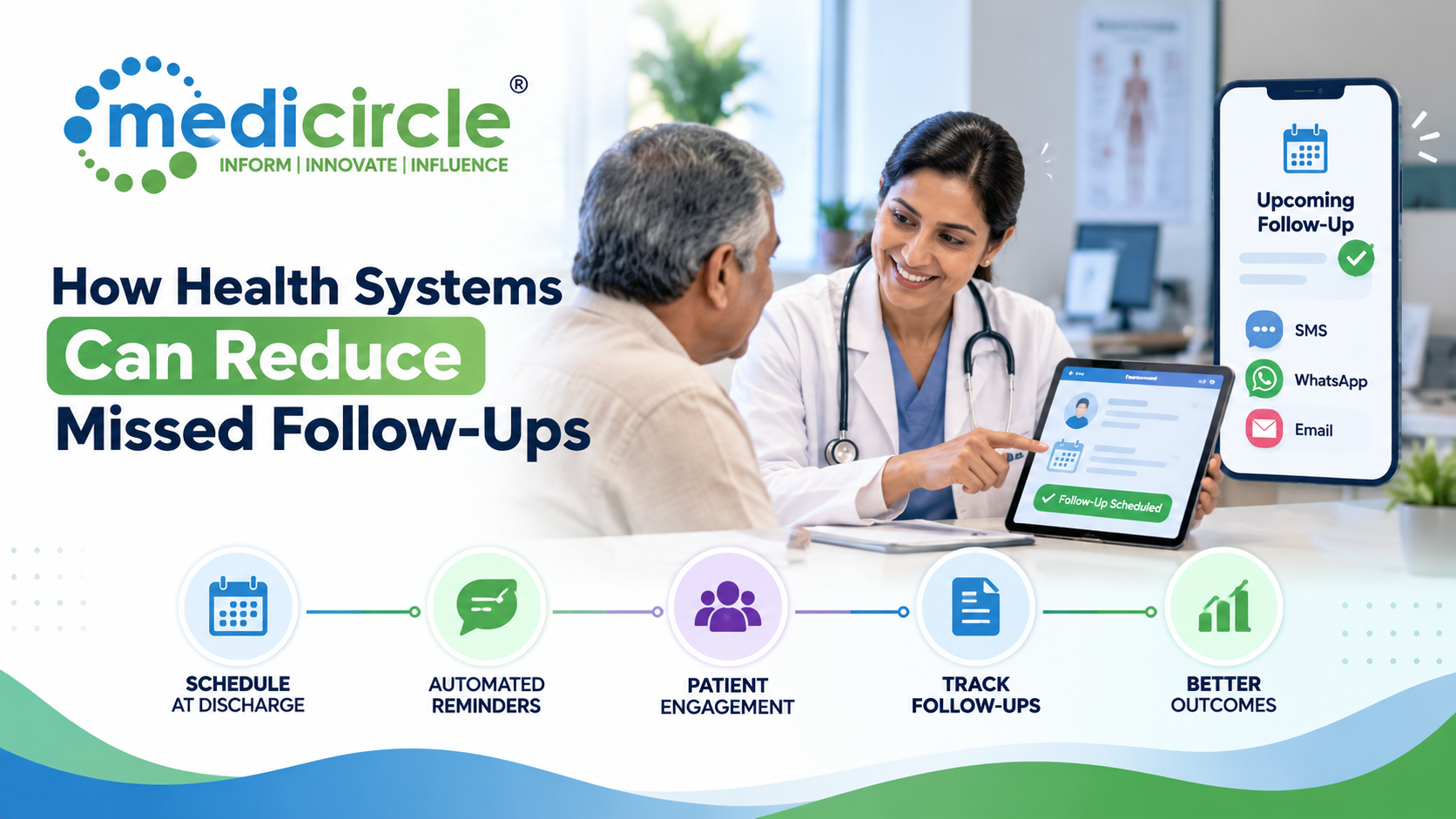
- 24/7 support through AI chatbots and virtual assistants: Reducing no-show rates, improving appointment scheduling, and enabling patients to access care information at any time.
- Advanced predictive insights: Using analytics to identify high-risk patients and intervene earlier to prevent complications.
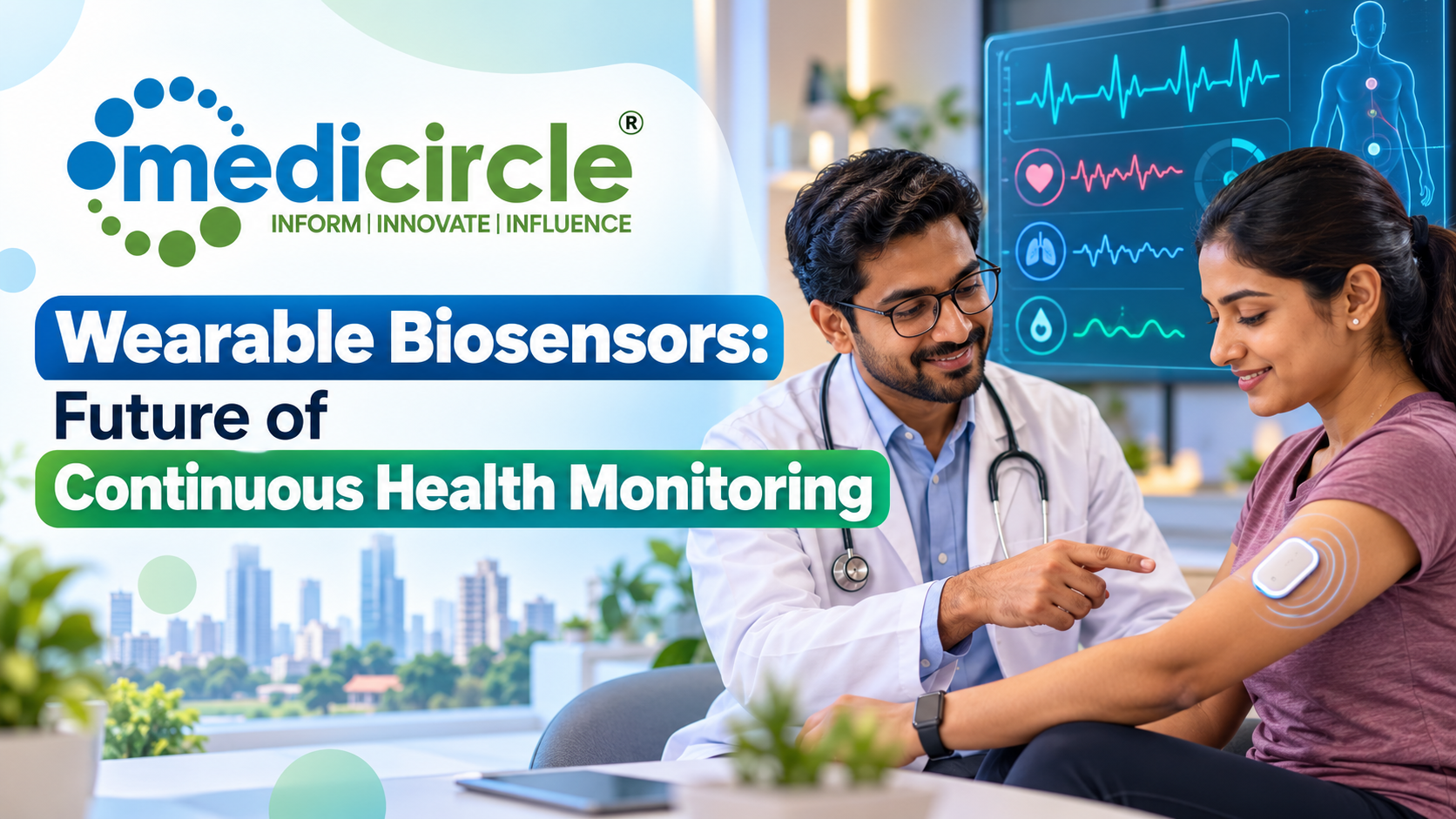
- Remote patient monitoring and telehealth integration: Enhancing continuity of care beyond traditional clinical environments, a trend significantly accelerated by the COVID-19 pandemic.
Market Dynamics: Cloud, Chatbots, Chronic Disease Management Lead the Charge
The AI in Patient Engagement Market Report reveals compelling segment trends and opportunities:
- Cloud-based delivery continues to dominate due to its scalability, remote accessibility, and cost-efficient deployment—making it the top choice for healthcare systems seeking robust digital transformation.
- Chatbots and conversational AI emerged as the largest technology segment, enabling real-time interactions, automated scheduling, personalized health messaging, and seamless patient support.
- Chronic disease management applications hold a significant share as aging populations and rising prevalence of long-term conditions drive demand for continuous engagement solutions.
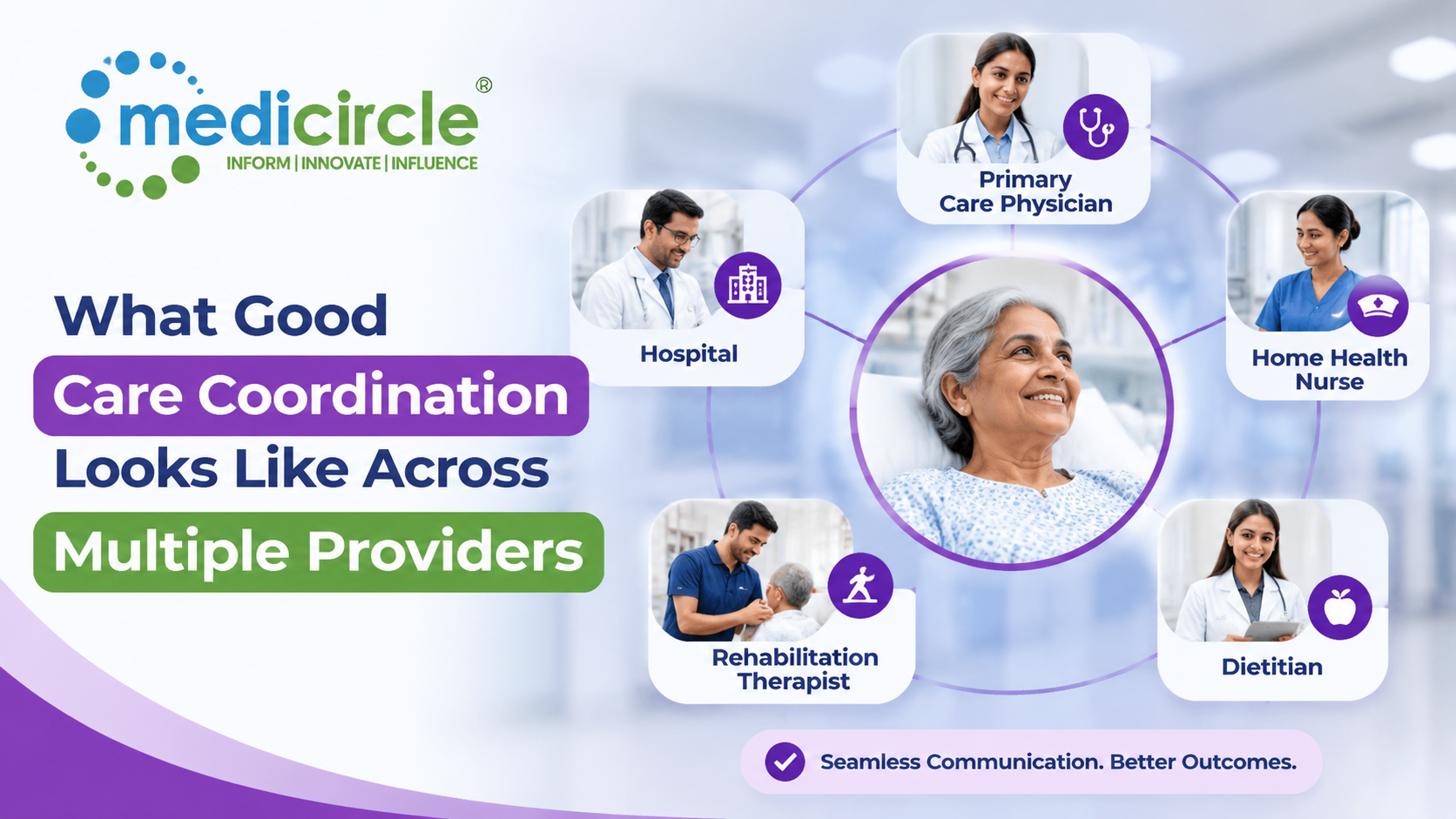
- Enhanced communication functions remain crucial, unifying care teams, patients, and caregivers in a consistent, contextually relevant manner.
These insights reinforce how AI technologies are no longer optional — they are essential tools for delivering effective patient engagement strategies that lead to better health outcomes and lower total cost of care.
Regional Growth: North America Leads, Global Adoption Expands
North America currently holds the largest market share, supported by strong investments in digital health infrastructures, high adoption of mobile health (mHealth) & electronic health record (EHR) systems, and proactive regulatory support for innovative AI applications in healthcare.
However, Asia-Pacific, Europe, Latin America, and the Middle East & Africa regions are rapidly expanding due to rising healthcare digitization, government initiatives, and growing demand for patient-centric solutions worldwide.
Beyond Adoption: Real-World Impact and Future Outlook
The adoption of AI in patient engagement is not just about technology — it’s about people. Healthcare leaders report measurable benefits including:
- Increased patient loyalty and satisfaction
- Reduced administrative overhead
- Improved clinical adherence and health outcomes
- Proactive risk mitigation through advanced analytics and automation
Moreover, AI’s ability to support multilingual communication, compliance tracking, remote monitoring, and intelligent patient education makes it an indispensable asset in modern healthcare delivery.
Looking ahead, the AI in Patient Engagement Market Growth signals a long-term shift toward more patient-centric, digitally driven care ecosystems, where intelligent automation and real-time insights redefine how patients experience healthcare.





-23-300x250.png)

.jpeg)
.jpg)
.jpg)
.jpg)
.jpg)
.jpg)
.jpg)
.jpg)
.jpg)
.jpg)