Sunday, November 08, 2026
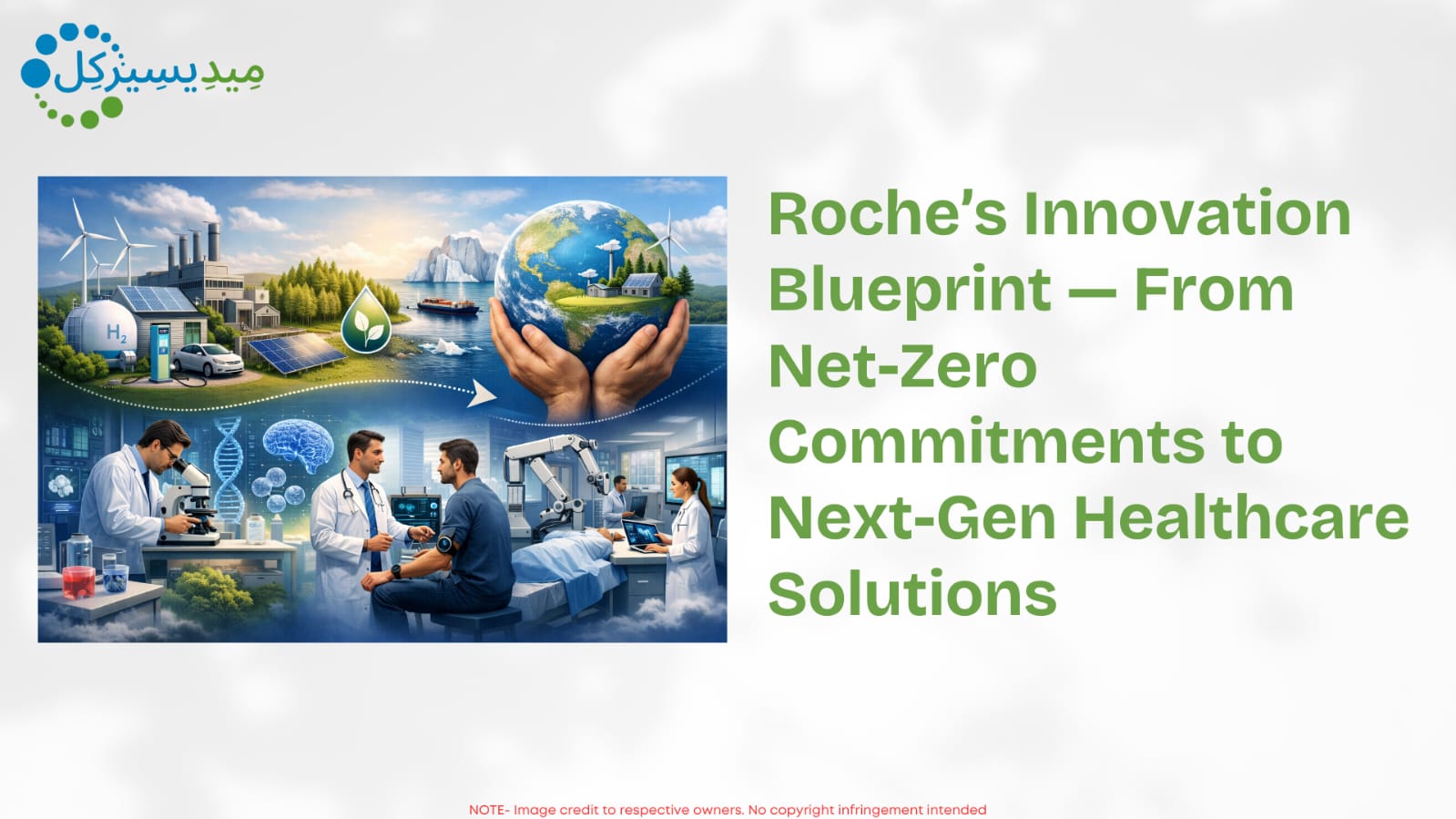
 Climate change and patient health are deeply intertwined — and leading healthcare organisations are rising to the challenge by embedding sustainability and innovation into core strategy. Roche’s recent progress reflects this shift: from achieving 100 % sustainable electricity across worldwide operations to advancing transformational diagnostics, medicines, and strategic partnerships that reshape how healthcare is delivered, decarbonised, and made more equitable for patients globally.





Sustainable Operations: Powering Change from Within
In 2026, Roche reached a significant milestone by achieving 100 % sustainable electricity worldwide across its facilities, a big step toward its long-term commitment to net-zero greenhouse gas emissions by 2045. The company’s approach combines renewable grid sourcing with onsite generation — from hydropower in Switzerland to solar installations in Singapore — reflecting a flexible, resilient model adaptable across geographies and operational contexts.
Advancing Healthcare with Integrated Innovation
Roche’s broader innovation agenda in 2026 underscores a dual pursuit of scientific breakthroughs and sustainable healthcare delivery. According to the company’s 2025 Annual Report, Roche continued its growth trajectory, bringing forward progress across both pharmaceuticals and diagnostics — blending patient outcomes with operational excellence.
Key developments include:
- FDA acceptance of New Drug Application for giredestrant in ESR1-mutated advanced breast cancer — advancing personalised oncology care.
- Positive Phase III results for fenebrutinib in primary progressive multiple sclerosis — offering new hope in a difficult-to-treat neurological condition.
- Strong financial momentum in 2025, with broad pipeline advancement and a record diagnostics innovation program that decoded a human genome in under four hours — showcasing how rapid, precise diagnostics can become foundational to both clinical care and sustainable healthcare pathways.
These clinical and technological achievements point to a future where precision therapies and rapid diagnostics enable earlier interventions, fewer unnecessary procedures, and more efficient use of healthcare resources — all of which contribute to lower environmental burdens and improved system resilience.
Partnerships, Pipeline, and Purpose
Roche’s innovation philosophy recognises that no single organisation can solve the challenges facing modern health systems. By partnering with innovators globally — from RNAi collaborations to diagnostic technology alliances — the company accelerates the translation of science into real-world impact.
This collaborative approach also extends to its sustainability goals. By aligning with global frameworks such as the Science Based Targets initiative (SBTi) and joining sustainability leadership consortia, Roche situates health outcomes and environmental performance within interlinked strategic pathways that benefit patients and the planet alike.
Conclusion
Roche’s 2026 progress reveals a holistic vision of healthcare innovation that marries scientific excellence with environmental stewardship. From achieving 100 % sustainable electricity across global operations to advancing breakthrough therapies and world-class diagnostics, the company’s strategy reflects a future-ready healthcare model where patient wellbeing, operational resilience, and climate responsibility co-exist. This integrated blueprint not only drives better health outcomes but also elevates sustainability from aspiration to measurable performance — shaping a more equitable and resilient healthcare future.





-23-300x250.png)