 Saturday, November 21, 2026
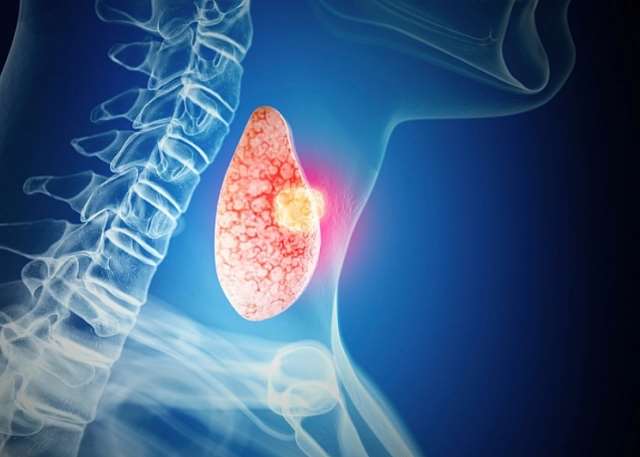
 Thyroid cancer usually arises quietly, in the gland shaped like a butterfly that is located at the base of your neck. A minor issue with your thyroid gland can have a huge impact on your energy levels, metabolism and exercise tolerance, but most cancers don’t impact thyroid hormone levels and are hence silent.





Thyroid cancer usually arises quietly, in the gland shaped like a butterfly that is located at the base of your neck. A minor issue with your thyroid gland can have a huge impact on your energy levels, metabolism and exercise tolerance, but most cancers don’t impact thyroid hormone levels and are hence silent. Symptoms appear when the tumours reach a critical size and are big enough to see or feel, or has spread to the surrounding areas.
Although early symptoms can be subtle, but paying attention to small changes can make a huge difference in early detection and treatment. Here are the top signs to watch for:
- A lump or swelling in the neck
One of the most common early signs is a lump in the front or side of the neck that doesn’t go away. It may feel firm or slightly tender. While not all lumps are cancerous, persistent swelling should prompt a medical evaluation to rule out thyroid cancer. - Hoarseness or changes in voice
If your voice suddenly changes, with hoarseness or it sounds weak, raspy or you have lost your voice for weeks, this may mean the recurrent laryngeal nerve (a nerve running very close to the thyroid gland) is involved. This is more concerning if you do not have a cold or other respiratory illness.
3.Trouble swallowing
Noticing a feeling of something stuck in your throat; or discomfort while swallowing is another subtle hint. Tumors in the thyroid can put pressure on the esophagus, making eating or drinking uncomfortable or painful
- Neck or throat pain
Ongoing pain in the front of your neck, which may radiate into the ears or jaw, may be due to thyroid irritation or growth. Of course, pain alone does not mean cancer, but when it occurs with other symptoms - it is time for a checkup.
- Swollen lymph nodes
The thyroid can affect the lymph nodes in the neck, which could cause swelling. If there are new firm lumps under your jaw (or anywhere around your neck), especially if accompanied by other symptoms of thyroid problems, this is yet another reason to see your doctor.
- Breathing problems
If a thyroid tumor is large enough, it may be pushing against the windpipe and you can have shortness of breath or limit your airflow. This is a serious issue and requires immediate medical attention.
- Family history or previous radiation exposure to the neck
Those with a family history of thyroid disease or cancer, as well as certain cancer syndromes, as well as those with childhood exposure to radiation, are at high risk. Knowing personal and family history can help to guide screening or early treatment
Prevention and Early Detection Tips for cancer prevention
- Healthy lifestyle: Avoid using tobacco and alcohol. A healthy balanced diet will be rich in iodine, selenium, and antioxidants which can support thyroid health. Stress can be managed through yoga, meditation, or exercise.
- Weight and hormones: Obesity is a recent risk factor that has been linked to thyroid cancer. Maintaining a healthy weight can prevent thyroid and other cancers
- Limit excess radiation exposure: Don't seek out repeated medical images that are not medically necessary. Limit medical imaging too and follow public guidelines for medical imaging. For children, the risk of long-term effects is higher for imaging exposures so monitor and reduce where possible.
- Monitor autoimmune thyroid conditions: Chronic inflammation from Hashimoto’s thyroiditis can increase cancer risk. Regular testing and proper treatment are essential.
Do self-checks: Conducting simple neck self-exams monthly will help you pay attention. Check for lumps, swelling and keep an eye on symmetry. The sooner you recognize any changes, the sooner you will seek medical treatment.





-23-300x250.png)




















