 Thursday, October 08, 2026
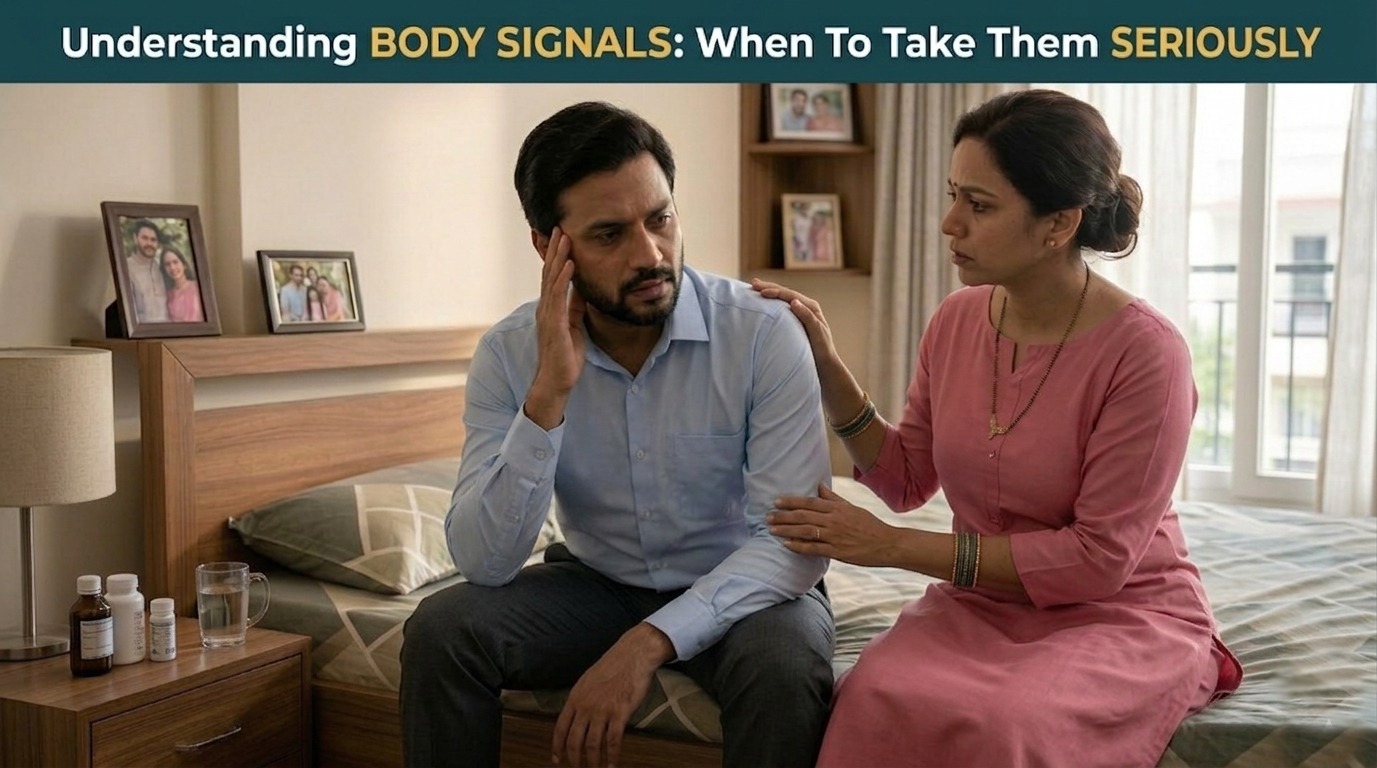
 The body constantly communicates through physical symptoms, behaviors, and subtle changes that are often overlooked. Recognizing these signals early can reveal underlying imbalances and prevent minor issues from becoming serious. Understanding both physical and behavioral cues helps individuals respond more effectively to their health.




The body rarely stays silent. It communicates constantly, sometimes through discomfort, sometimes through behavior, and sometimes through subtle shifts that are easy to ignore. Most people notice these changes but often dismiss them as temporary or harmless. The challenge is not just recognizing signals, but knowing when they actually matter.
There are moments when what feels like a minor change is not minor at all. Understanding those moments can make a real difference, not only in health outcomes but also in how early action is taken.
What Body Signals Really Mean
The human body communicates through both physical symptoms and behavior. While pain or fatigue are more obvious, communication also happens through body gestures and patterns of movement. These are often overlooked because they do not always feel medical.
Understanding body language meaning in a health context goes beyond social interaction. It includes posture changes, facial expressions, restlessness, or even withdrawal. These are not random. They can reflect internal discomfort or imbalance.
Many people associate corporal language with communication between individuals, but it also applies to how the body expresses stress, illness, or decline. Learning to observe these signals creates a clearer picture of what the body is trying to communicate.
Why These Signals Matter More Than We Think
Most health conditions do not begin suddenly. They develop gradually, with small signs appearing before major symptoms. Ignoring these early signals often leads to delayed care.
For example, subtle changes in energy levels, appetite, or movement patterns can indicate underlying issues. In more serious cases, these signals may progress into signs of death or advanced conditions if left unaddressed.
Understanding Signs your body language telling you something is seriously wrong helps shift attention from reacting late to noticing early. It is not about overanalyzing every sensation, but about recognizing patterns that persist or worsen.
When Body Signals Turn Serious
There is a difference between temporary discomfort and signals that require attention. The difficulty lies in identifying that threshold.
Some patterns to watch closely include:
- Persistent fatigue that does not improve with rest
- Sudden changes in posture or movement
- Loss of appetite or difficulty swallowing
- Confusion, withdrawal, or unusual behavior
- Visible discomfort expressed through body gestures
These are not always isolated symptoms. When they appear together or continue over time, they may point toward deeper concerns.
In more advanced situations, especially in critical care, these patterns may evolve into death signs and symptoms that indicate significant decline.
The Subtle Language Of The Body In Critical Stages
As the body approaches extreme conditions, communication changes. It becomes less verbal and more physical. This is where understanding near death signs becomes important, especially for caregivers or family members.
Common observations may include:
- Reduced responsiveness
- Irregular breathing patterns
- Changes in skin tone or temperature
- Minimal movement or increased restlessness
These are often part of the end of life signs final hours, where the body gradually begins to shut down. While these moments can be difficult, recognizing them helps provide better support and preparedness.
The last 24 hours before death often include noticeable shifts in breathing, awareness, and physical responsiveness. These are natural processes, but understanding them removes confusion and uncertainty.
From Observation To Understanding: How To Read Body Signals
Learning how to read body language in a health context is not about expertise. It is about awareness and consistency in observation.
Instead of focusing on single signs, it helps to look at patterns.
Key things to observe include:
- Changes in daily habits or routine
- Differences in energy levels throughout the day
- Non-verbal discomfort expressed through posture or movement
- Emotional withdrawal or unusual behavior
Understanding how can i read body language starts with paying attention to what is different from normal. The body often communicates through contrast rather than intensity.
Looking at simple body language examples, such as slumped posture, guarded movement, or lack of eye contact, can provide insight into underlying discomfort.
Case Studies: When Body Signals Were More Than They Seemed
Case Study 1: The fatigue that was not just fatigueRohit had been feeling unusually tired for weeks. It did not feel severe, just constant. He noticed small changes in his routine. He stopped engaging in conversations, his posture became more withdrawn, and his daily activities slowed down.
What stood out was not a single symptom, but a pattern of subtle body gestures and behavioral shifts. Over time, these signs pointed toward a deeper issue that required medical attention. The delay in recognizing these signals made the condition more difficult to manage later.
Case Study 2: Recognizing early decline in a critical patientIn a hospital setting, a patient recovering from a serious illness began showing small changes. There was less interaction, slower responses, and noticeable physical stillness. These changes were initially subtle but became more consistent.
Caregivers began observing near death signs through patterns rather than isolated symptoms. The patient’s condition gradually progressed toward end of life signs, where communication became minimal and physical indicators became more prominent.
Case Study 3: Understanding the final phase of lifeA family caring for an elderly member noticed changes that were difficult to interpret. Breathing patterns shifted, responsiveness decreased, and physical movement became limited.
These changes aligned with end of life signs final hours, including patterns often seen in the last 24 hours before death. Recognizing these signs helped the family focus on comfort and support rather than confusion or uncertainty.
Common Mistakes People Make
Understanding body signals requires balance. Many people either ignore them completely or overinterpret them.
Some common mistakes include:
- Ignoring persistent patterns because they seem minor
- Focusing on one symptom instead of overall behavior
- Assuming all signals are temporary
- Not seeking medical advice when patterns continue
Recognizing the difference between temporary discomfort and meaningful change is key.
FAQs
1. What are body gestures in a health context?Body gestures refer to physical expressions like posture, movement, or facial reactions that may indicate discomfort or underlying health issues.
2. What does corporal language mean in medical observation?Corporal language includes non-verbal signals the body uses to express internal conditions, such as stress, pain, or fatigue.
3. What are signs your body language telling you something is seriously wrong?Signs your body language telling you something is seriously wrong include persistent withdrawal, unusual posture, reduced responsiveness, and visible discomfort.
4. What are common near death signs?Near death signs include reduced awareness, irregular breathing, and minimal physical movement.
5. What are end of life signs final hours?End of life signs final hours include significant changes in breathing, loss of responsiveness, and physical stillness.
6. What happens in the last 24 hours before death?The last 24 hours before death often involve changes in breathing patterns, reduced consciousness, and decreased physical activity.
7. What are death signs and symptoms?Death signs and symptoms include physical and behavioral changes that indicate the body is shutting down.
8. How to read body language in a health context?To understand how to read body language, observe patterns in movement, posture, and behavior over time rather than focusing on single signs.
9. How can I read body language effectively?How can i read body language effectively involves noticing changes from a person’s normal behavior and identifying consistent patterns.
10. What are some simple body language examples?Common body language examples include slouched posture, reduced eye contact, and guarded movements that may indicate discomfort.
Conclusion
The body communicates more than we often realize. From subtle shifts in behavior to more serious physical changes, these signals form a language of their own. Understanding them does not require expertise, only attention. When patterns begin to change or persist, taking them seriously can make the difference between delay and timely care.






.jpeg)








.jpg)
.jpg)
.jpg)
.jpg)
.jpg)
.jpg)


.jpg)
.jpg)
.jpg)