Tuesday, October 27, 2026
 Modern healthcare requires a shift from hospital centered care to integrated home support. By combining technology, emotional counseling, and professional guidance, we ensure patients thrive during their recovery journey.




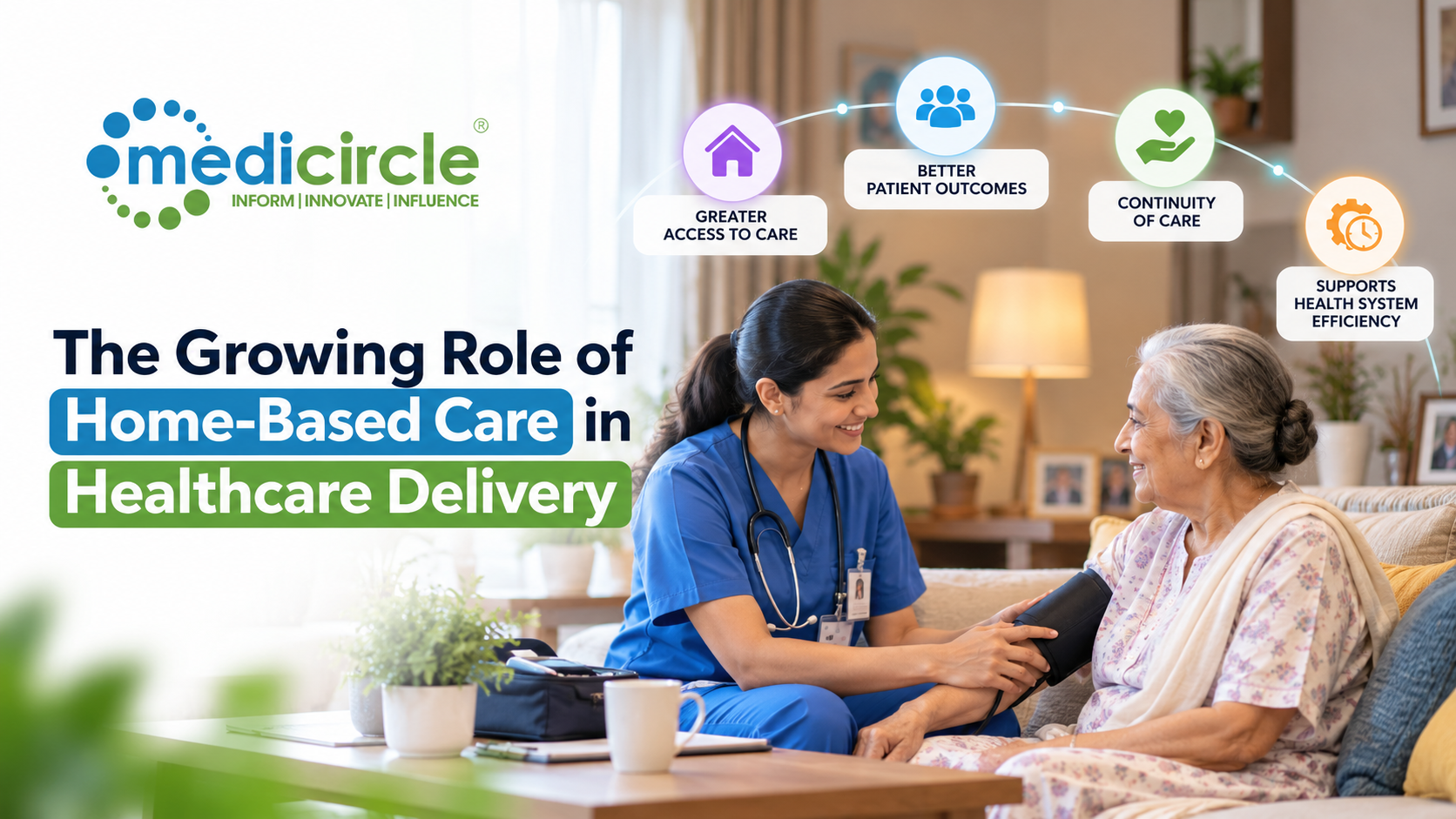
The true value of medical care is not found solely in a successful surgical procedure or an accurate medication list. It is found in the subsequent days and weeks that define the healing process. In India, there is a significant movement toward a recovery model that extends far beyond the hospital walls. While advanced medical technology is essential, long term success depends on the quality of support a patient receives at home.
For many families, a medical diagnosis is the start of a very stressful period. Moving from a controlled hospital setting to independent care can feel quite overwhelming. Without a clear plan, it is very easy to miss a dosage or feel lost. Bridging this gap is a vital necessity to ensure that medical treatments achieve their intended results.
Evolving Family Caregiving:
Traditionally, the Indian family has served as the primary support system during illness. While emotional bonds are strong, modern medical treatments have become highly technical. A devoted family member may have the best intentions but might lack the training to handle specialized post-operative care or complex physical therapy.
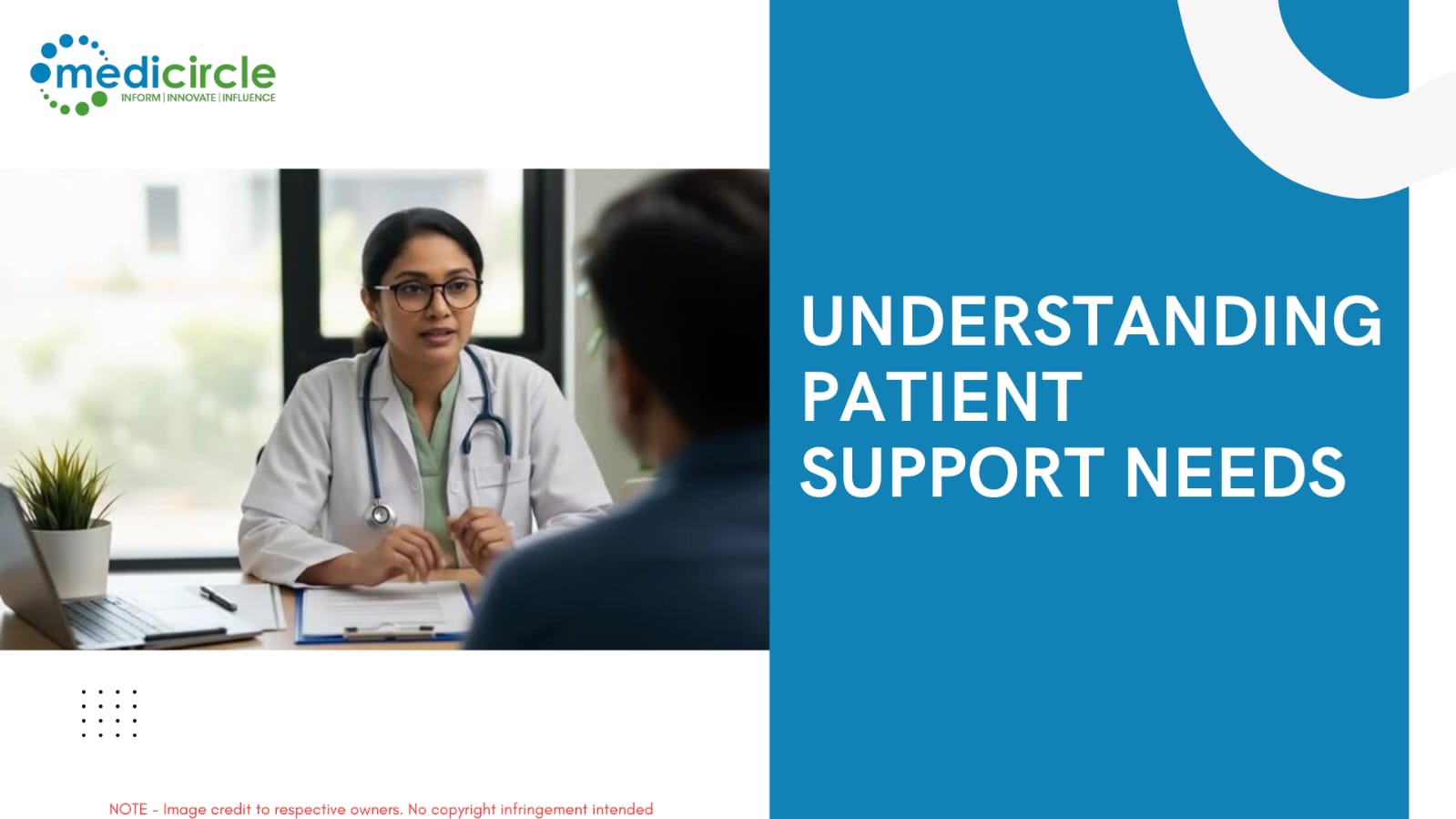
This reality highlights the urgent need for professional guidance. Support begins with clear communication that translates complex medical terminology into simple daily tasks. When families understand the purpose behind a treatment, their anxiety levels decrease significantly. Empowerment through information is the first step toward a complete recovery.
Managing Hospital Discharge:
The weeks following a hospital discharge are often called the shadow phase. This is a critical time when the risk of returning to the hospital is highest. A patient may have a world class surgeon, but recovery is at risk if they cannot find a reliable nurse or a nutritionist.
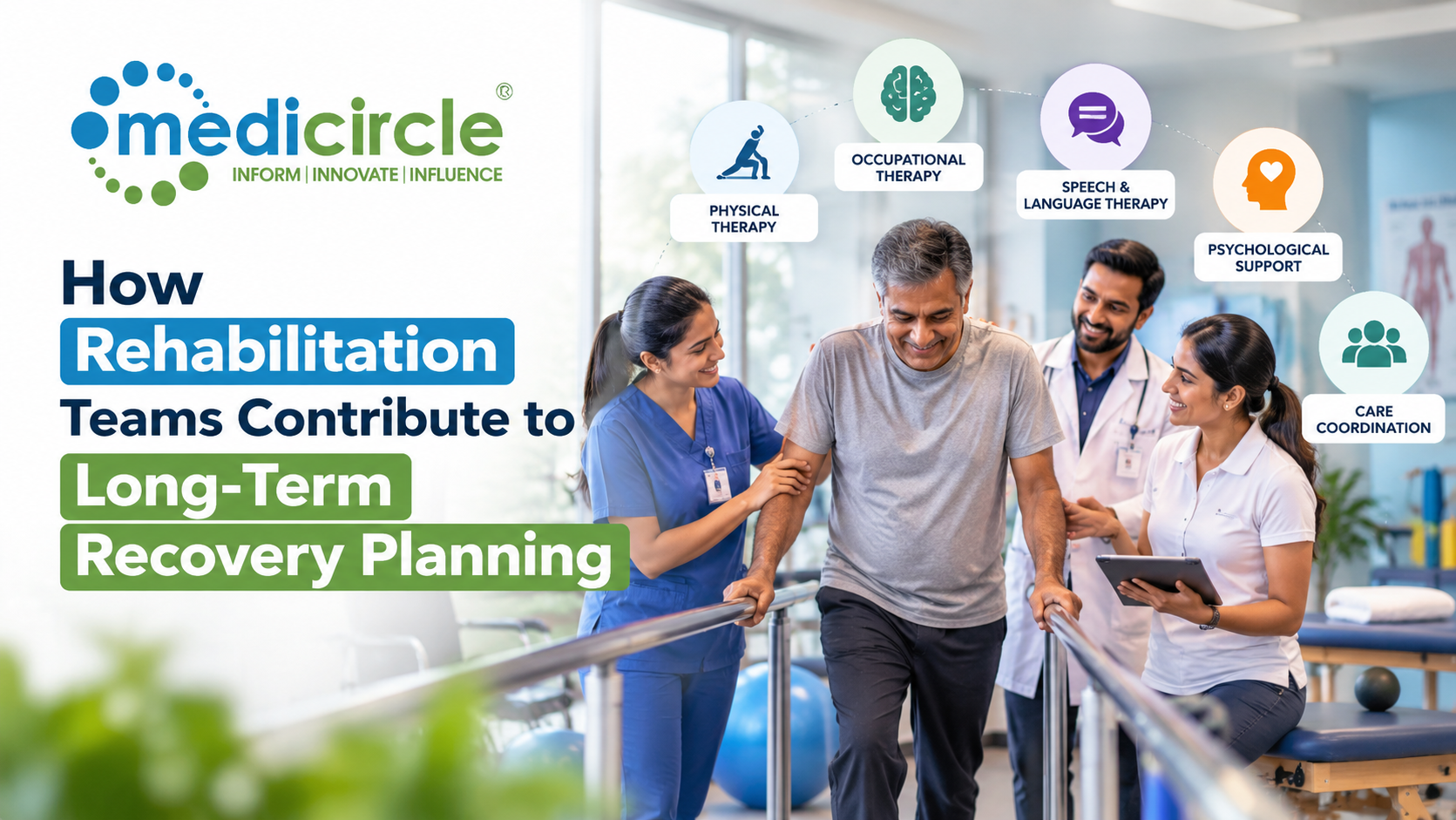
The challenge in India is often the scattered nature of healthcare services. Families frequently find themselves acting as coordinators between various providers who do not communicate with each other. A more integrated approach connects nursing and therapy under one umbrella. This removes the logistical burden and ensures that healing continues without any interruption.
Healing the Mind:
Society often treats the human body as a machine, but the mind plays a massive role in physical healing. In India, the emotional impact of a chronic illness is frequently suffered in private due to social stigmas. If a patient is struggling with isolation, their physical recovery will likely slow down.
Comprehensive support must address these invisible emotional scars. This involves providing access to counselors or peer groups where patients can share their fears openly. Mental resilience is a mandatory requirement for physical health. When we provide a safe space for expression, we are caring for a human being rather than just a medical case.
Technology as Companion:
Digital tools have become constant companions in the modern recovery journey. They are no longer used just for booking appointments or reading reports. Mobile applications now track vital signs in real time and connect patients to experts via video calls.
Digital health records are another significant advancement. They ensure that every professional, from the doctor to the therapist, has access to the same information. This level of consistency prevents medical errors and gives the patient a sense of security. It ensures the care team is always perfectly synchronized.
Focus on Prevention:
The most effective form of support is the kind that happens before a medical crisis begins. By shifting the focus toward preserving wellness, we can change the health trajectory of the community. This is especially important in schools and offices where sedentary lifestyles are common.
Proactive engagement includes routine screenings and health awareness programs that allow for early intervention. It is much easier to manage a health risk when it is identified early. Providing people with the tools to monitor their own health is the ultimate gift of independence.
A Collaborative Journey:
Modern healthcare is a partnership between the medical community, technology providers, and families. We must move past the idea that healthcare is a single transaction. It is a continuous and supportive journey that requires empathy and clear communication.
When we prioritize the physical and emotional needs of the individual, we help them thrive. Building a system where no patient feels lost after leaving the hospital is the ultimate goal. This integrated approach creates a healthier and more resilient society for everyone.





-23-300x250.png)

.jpeg)






.jpg)
.jpg)
.jpg)
.jpg)
.jpg)
.jpg)
.jpg)
.jpg)
.jpg)