 Thursday, October 08, 2026
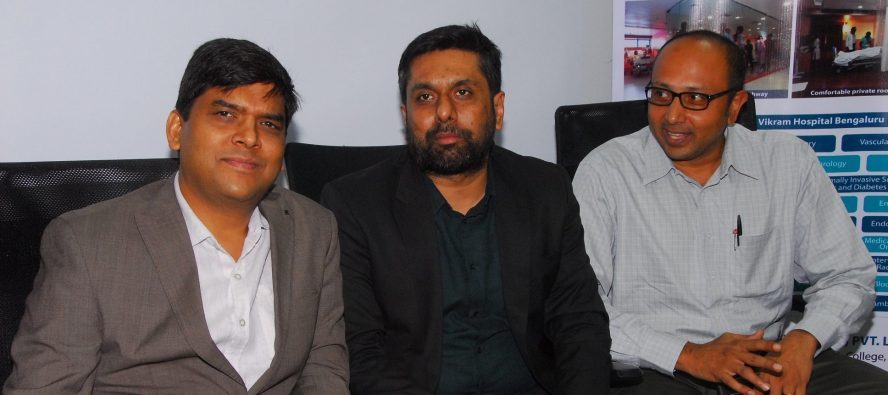
 The clinic offers patients, expert care, support from pre-diagnosis through late stages of the disease.




Vikram Hospital Bengaluru recently launched ‘Centre of Excellence’ for Huntington disease. The centre caters to all the patients across India and abroad who have been suffering from Huntington disease. The clinic offers patients, expert care and support from pre-diagnosis through late stages of the disease.
The Centre of Excellence will feature a multidisciplinary approach to care that will aim to be a one-stop-shop for patients. Dr Prashanth LK, Consultant Movement Disorders Specialist, Vikram Hospital Bengaluru is the lead for this specialised clinic for Huntington disease. The Huntington’s disease clinic in Vikram Hospital comprises of movement disorders specialist, psychiatrist, nurse practitioner's, neuropsychologist, physiotherapist and nutritionist. The clinic will run on 4th Wednesday of every month with prior appointments.
“Huntington disease is a major concern today, as there is a concept of ‘Anticipation’, which means the next generation develops symptoms much earlier than the previous generations”, said Dr Prashanth. “Some of the symptoms of this disease could be behavioural (like depression, anxiety, suicidal thoughts) or movement disorders (like restlessness movements) or cognitive (like difficulty in organising, loss of flexibility, impulsive, etc.). As the disease progresses, symptoms become more obvious, including uncontrollable jerky movements and drastic personality changes and by later stages, they become completely dependent for all activities.”
Dr Anand Jayaraman, Consultant Psychiatrist, Vikram Hospital Bengaluru, mentioned that behavioural symptoms many times predates the other symptoms leading to difficulties in their professional and family lives in early career.
The centre is collaborating with various research labs and scholars across India and abroad to get the best of the therapies to the Indian Huntington’s disease patients. The disease can be diagnosed through a blood test where specific genetic mutations are studied. It can be passed on from one generation to another. For instance, if a parent has the gene, each child has a 50/50 chance of inheriting it or escaping it. The Centre of Excellence will have all the facility for tracking the disease and the severity of the same.
Addressing the briefing at Vikram Hospital Bengaluru, Dr Somesh Mittal, CEO and Managing Director stated, “Vikram Hospital is happy to announce to be the first multispeciality hospital in Bengaluru to come up with the special care facility on Huntington disease. The disease is challenging if not detected early adding significant pressure on the individuals as well as their families. Finding specialised care can be very difficult at times. Most patients currently travel outside India to find treatment. With this launch at our hospital, patients can now receive expert care they need all in one place.”
While there are no specific treatments that can decrease or stop the advancement of this disease, supportive care and medications can help patients manage the symptoms. Dr Prashanth, informs that currently, we may be at the cusp of possible disease-modifying therapies as many recent new medication trials have shown very promising results.






.jpeg)










.jpg)
.jpg)
.jpg)
.jpg)
.jpg)
.jpg)


.jpg)