 Tuesday, October 27, 2026
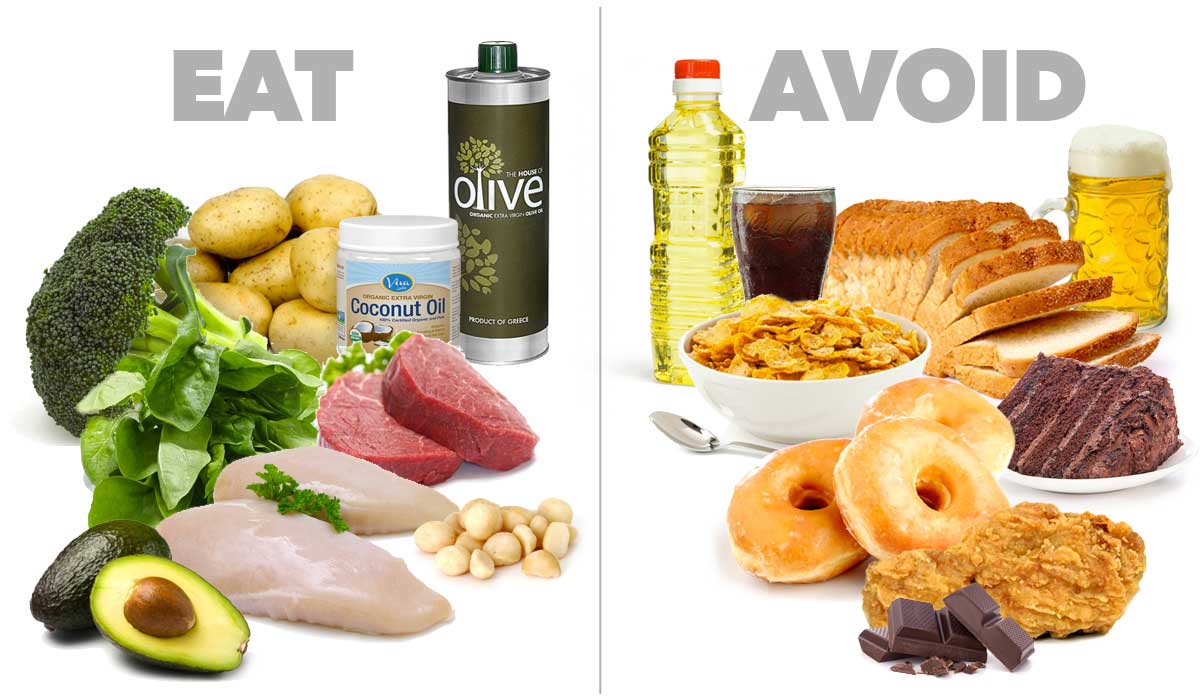
 Know what to eat and what to avoid to get that healthy body which you have been craving for. What is important here, is not to deprive yourself of the nutrients and stay healthy.




Let's talk about what should not be eaten to be thin. Unknowingly, you eat some such things which work to increase fat in your body. Some such things that increase fat are as follows
Do not eat fast foodIf you want to be slim then do not use fast food at all. Fast food lacks nutrients and the digestive system has to work very hard to digest them. Fast food contains a high amount of calories, which only works to increase fat in the body.
Don't Consume SugarTo become thin, reduce the intake of sugar too. Sugar is made by refining, due to which the nutrients present in sugar are destroyed. To lose weight, stop consuming sugar and sugar-based things like tea, coffee, cold drinks, packed juices, sweets, etc.
Reduce Salt IntakeAlong with sugar, excessive salt consumption also leads to weight gain. Although salt is very important for our body, excessive intake of salt can also be harmful to the body. Salt acts to hold water in the body, due to which obesity starts increasing.
Stay away from oily thingsExcessive consumption of oil is also one of the main causes of obesity. Some people consume too many oily substances which are not good, along obesity, they also cause many other physical problems. If you want to be thin, then stop using things made from oil and use minimum oil for cooking.
Consume Fewer CarbohydratesAlthough carbohydrates are very necessary and beneficial for the body, they provide energy and strength to the body. But the consumption of too much carbohydrate can lead to weight gain, so consume carbohydrates only in a limited amount.
Carbohydrates are mainly of two types-
Simple Carbohydrates Complex CarbohydratesTo be thin, you should not consume simple carbohydrates like fast food, bread, biscuits, pasta, all things made of maida, etc. Complex carbohydrates like things made from wheat, pulses, fruits, and vegetables, etc. are beneficial for the body.
What to eat for a healthy body? Eat SproutsSprouted grains are also very beneficial for becoming lean. They are rich in proteins and vitamins. To make sprouts, soak moong dal, black gram, soybean lentils, etc. in water overnight, and the next day when it swells, then tie them with a clean cloth, after some time they will start sprouting, then consume them. Do it. Consuming sprouted grains in the morning or evening breakfast can help you in slimming down.
Good Fat DietAccording to experts, to lose weight, 20-25 percent of good fats must be included in your diet. Olive oil, sunflower oil, peanut oil, etc. are also good sources of fats, to be thin, you must include them in your diet.
Eat Khichdi to slim downPeople who have a question about what should be eaten to become thin must include khichdi in their diet. Khichdi made from lentils and rice is light to eat and the body does not have to work too hard to digest it, as well as many vitamins, proteins, and minerals are also found in khichdi, which are helpful in reducing weight.




-23-300x250.png)

.jpeg)








.jpg)
.jpg)
.jpg)
.jpg)
.jpg)
.jpg)
.jpg)
.jpg)
.jpg)

