 Monday, October 19, 2026
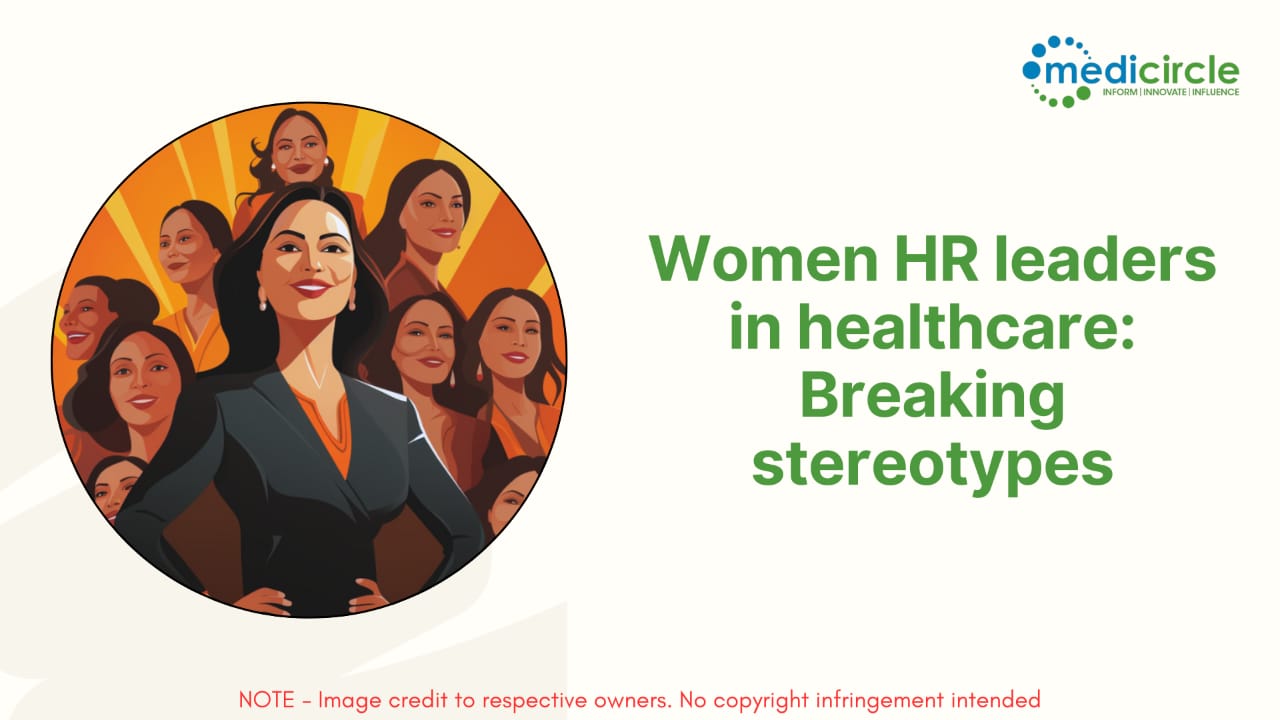
 Women HR leaders in Indian healthcare are reshaping systems by prioritizing compassion, collaboration and staff well-being, ensuring resilience, inclusivity and better patient outcomes.




When we think of healthcare, our minds naturally go to doctors in white coats and nurses working tirelessly on the wards. They are the undeniable heroes. However, the strength of any healthcare system relies on another crucial group: its leaders. Among them, women in Human Resources are playing a pivotal and transformative role. They are moving beyond traditional boundaries, showing that effective leadership in this high pressure field is deeply rooted in understanding people.
This evolution is about much more than managing staff. It represents a fundamental shift towards valuing the human element within medical institutions. In an environment where stress is a constant companion and burnout a real threat, the approach these leaders bring is not just beneficial, it is essential for survival and growth.
Beyond payroll and policy:
In healthcare, an HR leader's job description is expansive. They are in many ways, the guardians of an institution's spirit. Their work directly influences the atmosphere in which healing happens. With the sector facing critical staff shortages and immense pressure, their role becomes about building a foundation of support. Many women in these positions demonstrate a natural strength in fostering compassion and a sense of community, which are vital for creating a resilient workforce.
Recruitment is their starting point, but it is approached with a deeper lens. It goes beyond scanning credentials to gauging a person's inherent empathy and stability. They seek out those who view healthcare as a vocation. Once the right people are hired, the focus shifts to keeping them engaged and healthy. This means implementing practices that protect mental well-being, acknowledge dedication and offer professional development. By building this supportive structure, they empower medical staff to dedicate their full attention to patient care.
Leading with collaboration:
Historically, leadership models often emphasized command and control. The complex reality of healthcare is revealing the power of a more inclusive style. Women HR leaders frequently excel in collaborative and communicative leadership. They act as vital connectors, listening to concerns from every corner of the hospital, from top tier specialists to administrative and support staff. This builds trust and ensures that decisions are informed by ground level realities.
This balanced method proves incredibly effective during emergencies. In a crisis, such as a disease outbreak, their priority is the well-being of the team. They work to provide psychological support, manage exhausting schedules to prevent fatigue and maintain clear, honest communication. This focus on caring for the caregivers cultivates a powerful sense of loyalty and shared purpose, which is crucial for navigating difficult times.
Overcoming hurdles:
The journey for these leaders is not without its challenges. They often navigate systems where gender biases still exist. Juggling the relentless demands of a healthcare setting with personal life requires remarkable skill and support. Another significant hurdle can be making the case for investments in employee wellness programs, where the benefits, though substantial, are not always immediately apparent in financial reports.
Despite these obstacles, their perseverance is driving meaningful change. Their success paves the way for others, creating a legacy of inclusive leadership. They serve as powerful examples that one can be both decisive and compassionate, both strategic and deeply human.
A compassionate future:
The growing influence of women in HR leadership is a positive indicator for Indian healthcare. It reflects an understanding that the well-being of the staff is inseparable from the quality of patient care. These leaders are the silent partners in health, shaping cultures that allow both employees and patients to thrive.
Their contribution is a cornerstone for a better future. By ensuring that those who care for us are themselves cared for, they are strengthening the entire healthcare ecosystem. It is important to recognize these architects of a supportive workplace. In breaking old stereotypes, they are not just changing offices and policies; they are actively building a more sustainable and compassionate future for Indian healthcare, one relationship at a time.





-23-300x250.png)

.jpeg)





.jpg)
.jpg)
.jpg)
.jpg)
.jpg)
.jpg)
.jpg)

.jpg)
.jpg)
.jpg)