 Sunday, October 11, 2026
 India witnesses 1.5-1.8 million strokes every year, as per latest data. With 130–170 strokes per 100,000 population per year, stroke is now the second leading cause of death and the third leading cause of disability in the country.




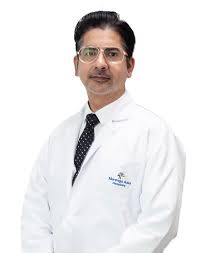
NEW DELHI / October 27, 2025: India witnesses 1.5-1.8 million strokes every year, as per latest data. With 130–170 strokes per 100,000 population per year, stroke is now the second leading cause of death and the third leading cause of disability in the country. The rise in incidence of high blood pressure, diabetes, obesity, and sedentary lifestyles has made stroke one of India’s biggest public health challenges. This was said by Dr. Kunal Bahrani, Clinical Director – Neurology, Marengo Asia Hospitals, Faridabad, ahead of the World Stroke Day.
He said: “While awareness and access to treatment have improved in major cities, the overall number of stroke cases is still rising in the country, mainly due to an ageing population and increasing metabolic disorders. However, survival rates are improving in urban centres with better emergency response and access to clot-busting drugs and stroke units. The biggest difference between recovery and disability in a stroke is time. Every minute after a stroke, two million brain cells die — so awareness and quick action are literally lifesaving. Early hospital arrival within 3 hours can triple the chances of a full recovery. Unfortunately, only 1 in 10 patients in India reach the hospital in time.”
Talking about how the profile of stroke patients in India has been changing in the last decade, Dr. Kunal Bahrani said: “The modern lifestyle is ageing our arteries faster than our bodies. We’re seeing strokes in people who still think they’re too young for them. A decade ago, most stroke patients were over 60. Today, neurologists are treating many patients in their 30s and 40s. About 15–20% of Indian stroke patients are under 45, compared to less than 10% globally. This shift is linked to early-onset diabetes, hypertension, smoking, air pollution, and chronic stress. Urban professionals, IT workers, and students with irregular sleep and long screen time are increasingly showing early vascular risk.”
“Men have a slightly higher incidence, but women have worse outcomes due to delayed diagnosis and social barriers to seeking care. Pregnancy-related complications, menopause, and hormonal changes can also increase risk in women. Hypertension remains the number one culprit, but new research shows that air pollution and stress are also now fuelling India’s stroke burden,” he said.
Dr. Kunal Bahrani warned that younger strokes are on the rise. “Many patients in their 30s ignore high blood pressure or cholesterol until it’s too late. Common early warnings one must watch out for include sudden weakness or numbness on one side of the face, arm, or leg, slurred speech or difficulty understanding words, blurred vision or double vision, sudden severe headache, and sudden dizziness or loss of balance If any of these symptoms appear, rush to a hospital with a CT or MRI facility, not a local clinic. Even a brief episode of weakness or slurred speech should never be ignored — it could be a mini-stroke, a red flag before a major one,” he said.
The doctor said that the future of stroke care in India is precision medicine, which is diagnosing faster, treating smarter, and preventing earlier. “There are many exciting breakthroughs in stroke diagnosis and treatment. New research shows that mechanical thrombectomy, a minimally invasive procedure to remove a blood clot from an artery, can be effective up to 24 hours in select patients, extending treatment windows. Next-generation clot-busting drugs are faster and safer, while AI-guided imaging reduces decision time and errors,” Dr. Kunal Bahrani added.






.jpeg)










.jpg)
.jpg)
.jpg)
.jpg)
.jpg)
.jpg)


.jpg)