 Thursday, October 08, 2026
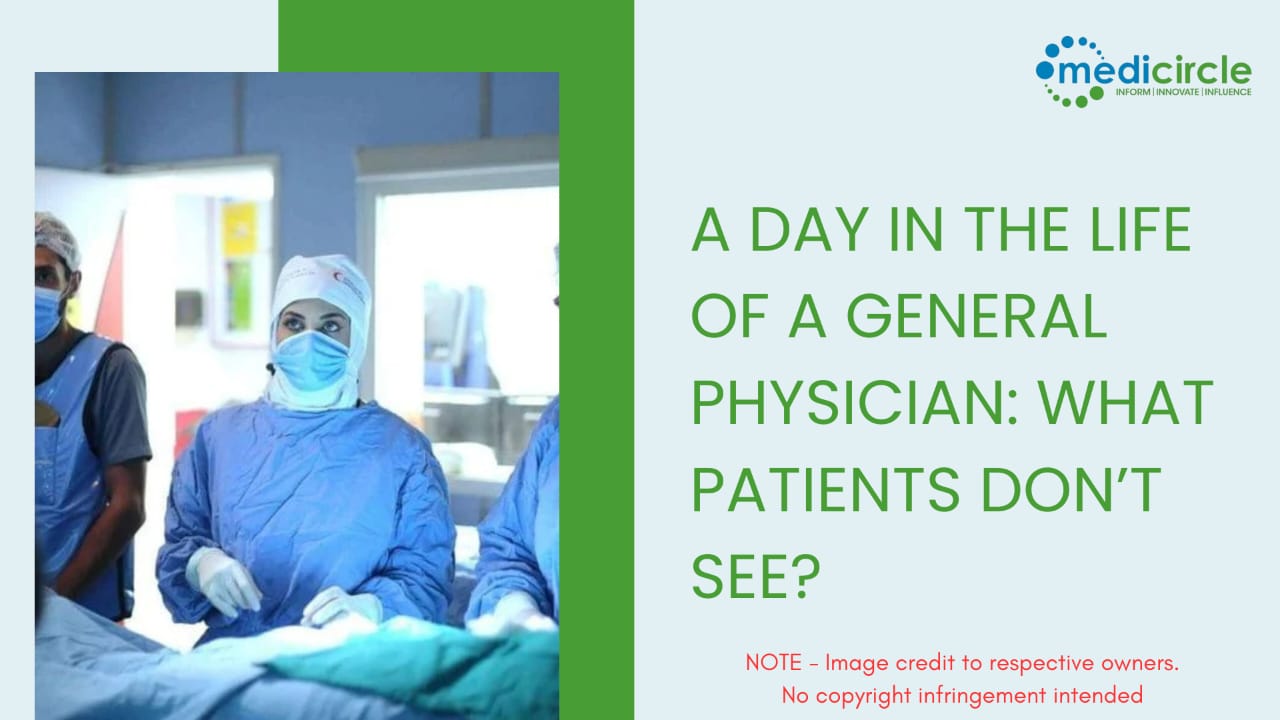
 This article explores the often unseen emotional, mental and physical demands of a general physician's daily routine, revealing the hidden work, challenges and dedication behind each consultation.




We have all been there, sitting in a clinic waiting room, watching the doctor's door open and close. From the outside, it looks like a series of brief, ten-minute meetings. But what unfolds outside those consultation minutes? The life of a general physician in India is a story told in the quiet moments before the clinic opens and the long hours after the last patient leaves. This is a look behind the curtain at the challenges and sacrifices that define their day.
Quiet before the storm:
Long before the first appointment, the doctor's day has already begun. That first cup of tea is usually sipped while scanning the day's list of patients. This is not just administrative work; it is a mental shift. During these quiet moments, they prepare to wear many hats: a detective solving medical mysteries, a comforter offering reassurance and a guide making critical decisions.
Once the door opens, there is no room for distraction. That deep breath a doctor takes before greeting you is a conscious transition. They set aside their own world to be fully present in yours. What seems like a simple walk into the room is a deliberate step into a role that demands complete focus and empathy for the person waiting.
Beyond the words:
When a doctor asks, “What brings you in today?” and then truly listens, they are doing more than being polite. They are practicing one of their most vital skills. It is known that patients often need less than two minutes to explain their problem, yet it is tempting to interrupt much sooner. Experienced doctors hold back, knowing that the most important clue often lies in those uninterrupted sentences.
When you see them glance at the clock, it is rarely about rushing you. Instead, they are performing a complex juggling act in their mind. They are prioritizing. When a doctor suggests focusing on your most urgent issue first, it is a strategic decision. They want each of your concerns to receive proper attention in a healthcare system that is often stretched thin.
The hidden work:
What happens in the minutes between your visit and the next patient? It is not a simple break. Those moments are filled with invisible tasks: a quick call to the pharmacy, a hurried discussion with an assistant about the next case, reviewing a newly arrived lab report and rapidly typing notes while your case is still fresh in their mind.
Then there is the computer. Modern clinics rely on digital health records and this relationship with technology is complicated. The system, often not designed for the unpredictable flow of a clinic, can sometimes feel like a third person in the room. The physician must maintain a genuine human connection with you while also feeding the digital machine the information it requires. It is a constant, delicate balance.
Beneath the surface:
Perhaps the most hidden part of a doctor's life is the emotional weight they carry. Every day, they make life-altering decisions, deliver difficult news and manage the fears and frustrations of people in pain. They do this while maintaining a calm and professional exterior. This emotional toll is very real and has a name: burnout.
This exhaustion is not just from long hours. It is the accumulation of constant high-pressure decisions, the emotional burden of caring for the unwell and the pressures of the system itself. Many doctors reach a point where they consider reducing their hours, not because they do not love medicine, but because the personal cost becomes too high. Yet they continue to show up, driven by a deep commitment to healing.
Journey we share:
The next time you visit your general physician, remember that you are witnessing only a small part of a much larger picture. Behind those brief minutes are years of rigorous training and countless hours of unseen effort by a human being who has chosen a path of service.
At platforms like Medicircle, we see the entire healthcare ecosystem. We understand that supporting these dedicated professionals with better information and resources does not just help them; it creates a better, more compassionate healthcare experience for everyone. The white coat is a symbol of knowledge, but the person wearing it represents a deeply human dedication to easing suffering, one patient at a time.






.jpeg)








.jpg)
.jpg)
.jpg)
.jpg)
.jpg)
.jpg)


.jpg)
.jpg)
.jpg)