Sunday, October 25, 2026
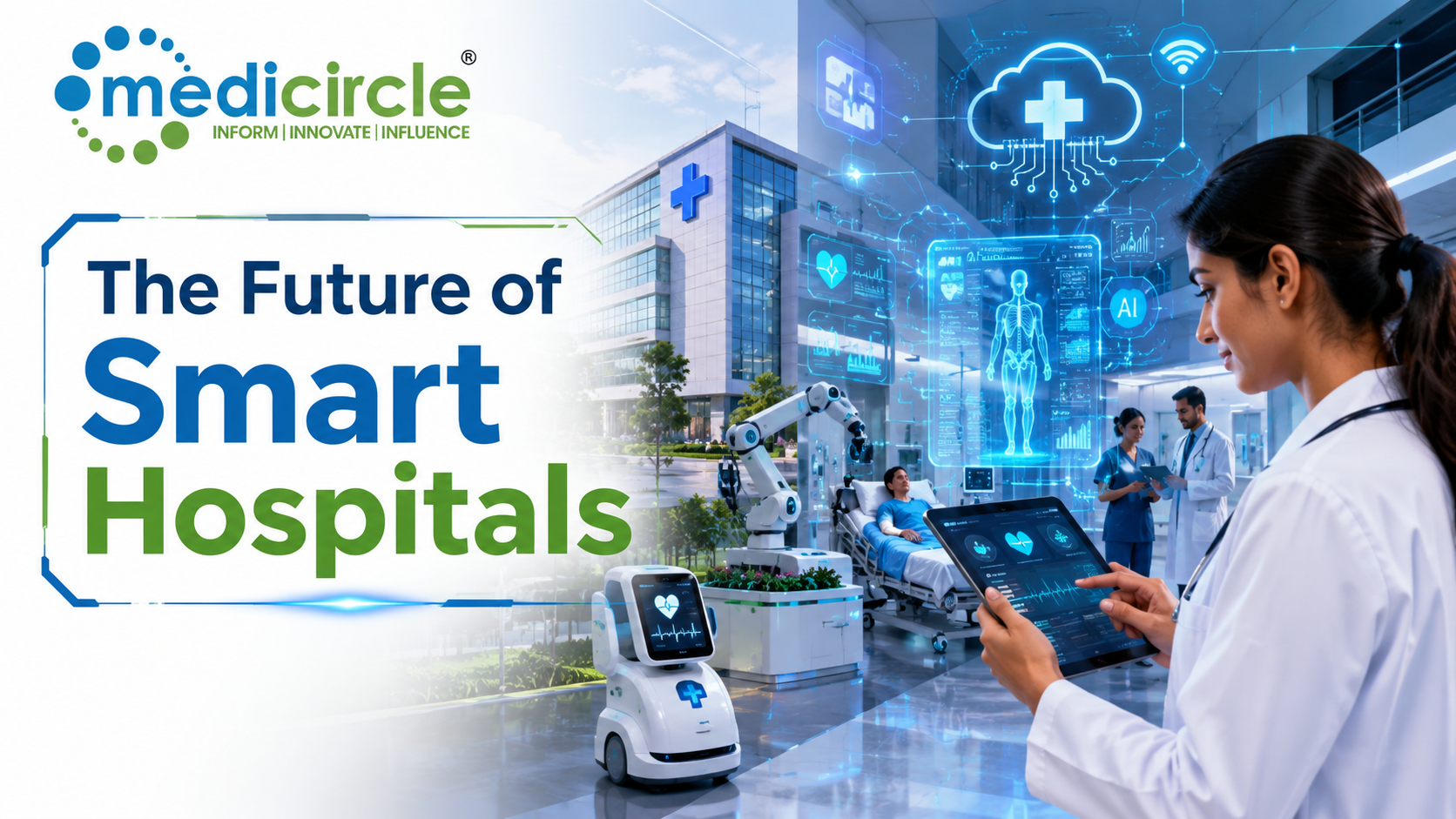
 Smart hospitals integrate AI, IoT, robotics, and digital health records to transform Indian healthcare delivery, improving patient outcomes, clinical efficiency, and system-wide connectivity.





Introduction
India's healthcare system is at a defining inflection point. The country is home to over 1.4 billion people, a rapidly aging population, a rising burden of non-communicable diseases, and a healthcare infrastructure that is still catching up with global standards. Against this backdrop, a powerful transformation is quietly taking shape inside the walls of modern hospitals across the country. The concept of the smart hospital, once a distant aspiration, is now a tangible and accelerating reality.
A smart hospital is not simply a hospital with better computers or faster internet. It is a fundamentally reimagined healthcare environment where digital technologies, intelligent systems, connected devices, and data-driven processes work together to improve clinical outcomes, enhance patient experience, and optimize the efficiency of every function within the facility. From AI-assisted diagnostics to robotic surgery, from real-time patient monitoring to predictive discharge planning, the smart hospital represents a new standard of care that India's healthcare sector is beginning to embrace with growing urgency.
Understanding where this transformation is headed, what it will mean for patients, doctors, hospitals, and policymakers, and how India specifically can navigate this shift is the central question of this article.
Understanding the Smart Hospital: Beyond Infrastructure and Digitization
The term "smart hospital" has been in use for several decades, but its meaning has evolved significantly over time. Early interpretations focused on smart building functions, such as automated lighting, energy management systems, and asset tracking within hospital campuses. Today, the concept extends far beyond physical infrastructure.
A smart hospital in the contemporary sense is one that uses a unified digital ecosystem to connect clinical care, operational management, patient engagement, and administrative functions. Data flows seamlessly across departments. Artificial intelligence analyzes clinical information to support better decisions. IoT-connected medical devices monitor patients continuously, whether they are in a hospital bed or recovering at home. Electronic health records are not merely digital files but living, dynamic repositories that update in real time and can be accessed across care settings.
What distinguishes a truly smart hospital from a hospital that has adopted a few digital tools is integration. Individual technologies, no matter how advanced, do not create a smart hospital. It is the coherent, interoperable ecosystem that turns data into insight, insight into action, and action into better health outcomes.
For India, where many hospitals still operate with fragmented paper-based records, limited diagnostic infrastructure, and significant workforce shortages in smaller cities and towns, the journey toward smart hospitals requires both vision and pragmatic planning.
Core Technologies Driving the Smart Hospital of the Future
Artificial Intelligence and Clinical Decision SupportArtificial intelligence is arguably the most transformative technology in the smart hospital landscape. In diagnostic radiology, AI algorithms can analyze thousands of medical images with a precision that complements the expertise of trained radiologists. In pathology, AI-powered tools can identify cellular abnormalities that might be missed in a manual review. In emergency medicine, predictive models can flag patients at high risk of deterioration hours before clinical signs become obvious.
India already has early examples of AI adoption in healthcare. Hospitals are using AI-based tools for diabetic retinopathy screening, tuberculosis detection, and cancer diagnostics. The Indian Council of Medical Research has supported AI research in several disease areas. However, widespread clinical deployment is still nascent, and the full potential of AI in smart hospitals remains to be realized at scale.
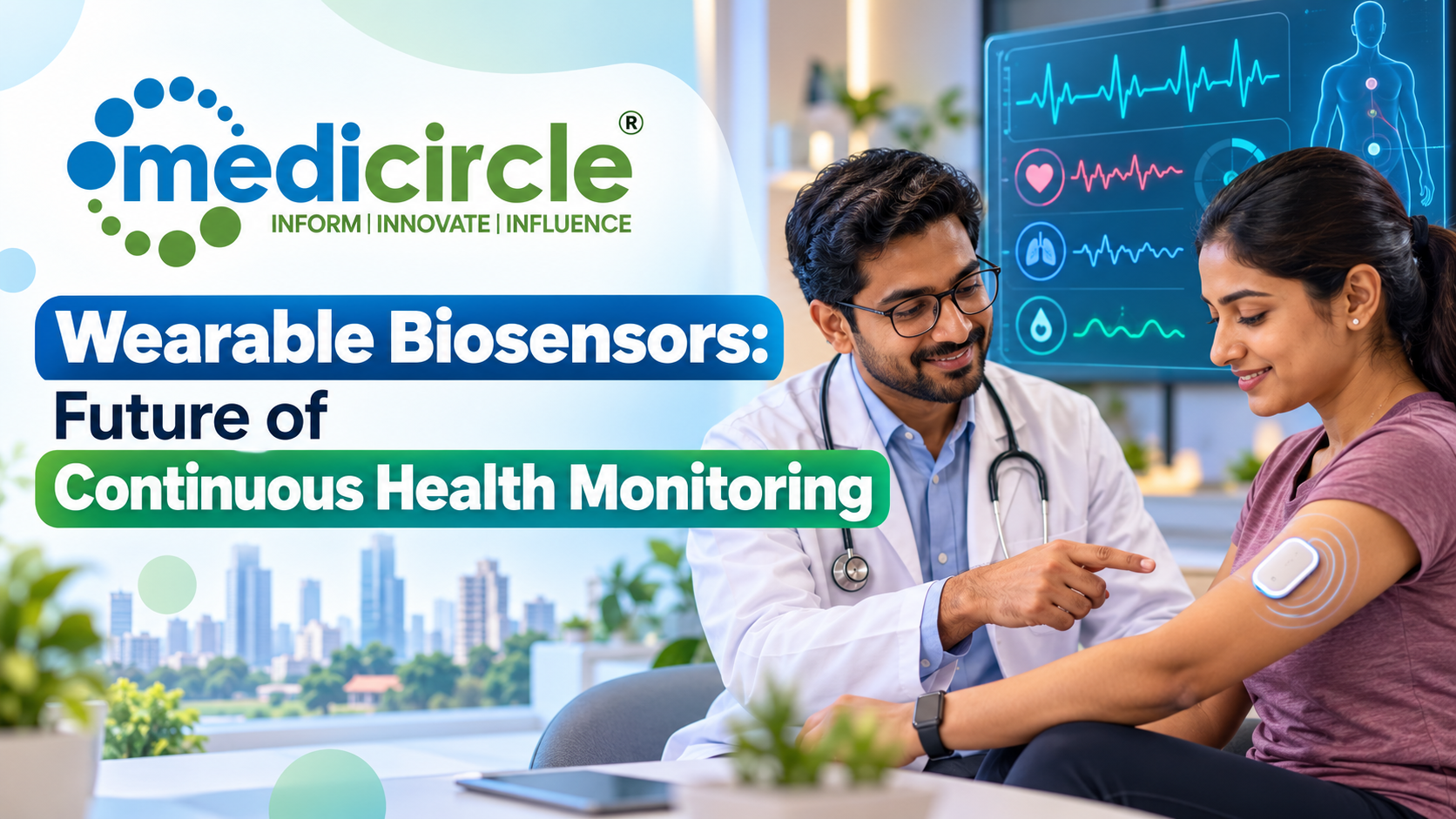
Internet of Things and Connected Patient MonitoringThe Internet of Things has transformed patient monitoring from a periodic, nurse-dependent activity into a continuous, automated process. Wearable sensors, bedside monitoring devices, and smart infusion pumps now transmit patient data in real time to central monitoring stations. Algorithms analyze this data to detect early warning signs of deterioration, sepsis, cardiac events, or respiratory distress, triggering alerts long before a crisis develops.
In the Indian context, IoT-powered remote monitoring has particular significance. With a doctor-to-patient ratio that remains well below WHO recommendations and a large rural population that lacks consistent access to tertiary care, remote monitoring solutions can extend the reach of specialist care without requiring physical presence. A cardiologist in Mumbai can review the continuous ECG data of a post-cardiac surgery patient in a tier-2 city through a connected platform.
Robotics and Surgical AutomationRobotic-assisted surgery has moved from niche to mainstream in several advanced healthcare markets, and India is beginning to follow suit. Robotic surgical systems offer surgeons enhanced precision, smaller incisions, reduced blood loss, and faster recovery times for patients. Several major Indian hospital chains, including Apollo Hospitals and Fortis Healthcare, have adopted robotic surgical platforms for urology, orthopedics, gynecology, and oncology procedures.
Beyond surgery, robots are being deployed in smart hospitals for logistics functions such as automated medication dispensing, linen and waste transport, and patient room sanitization. These applications reduce the burden on support staff and lower the risk of hospital-acquired infections.
Electronic Health Records and InteroperabilityThe transition from paper records to electronic health records is a foundational requirement for the smart hospital. India's Ayushman Bharat Digital Mission, launched by the Government of India, is a landmark initiative that aims to create a unified digital health identity for every citizen through the Ayushman Bharat Health Account (ABHA). The ABDM framework is designed to enable interoperability across hospitals, clinics, diagnostic centers, and pharmacies, allowing a patient's health records to follow them seamlessly across the care continuum.
When a patient admitted to a smart hospital carries a verified ABHA ID, the clinical team can instantly access their complete medical history, previous diagnoses, medication records, and allergy information. This eliminates duplication, reduces diagnostic errors caused by incomplete information, and speeds up clinical decision-making.
Benefits of Smart Hospitals for Patients, Clinicians, and the Healthcare System
The adoption of smart hospital technologies creates measurable benefits that extend well beyond operational efficiency.
For patients, the most immediate benefit is a safer, more personalized care experience. Continuous monitoring reduces the likelihood of adverse events going undetected. AI-supported diagnostics reduce the time to accurate diagnosis. Digital platforms allow patients to communicate with their care team, access their health records, and receive follow-up care remotely. In a country where patients often travel significant distances to access quality care, these improvements carry enormous practical value.
For clinicians, smart hospital tools reduce the cognitive burden of information overload. Doctors in busy Indian hospitals manage exceptionally high patient volumes. Clinical decision support tools that surface relevant information at the point of care, flag drug interactions, or alert the care team to deteriorating patients allow physicians to function more effectively and with greater confidence.
For the healthcare system as a whole, smart hospitals offer the potential to reduce inefficiencies that inflate costs without improving outcomes. Automation of administrative workflows, smarter supply chain management, and predictive maintenance of medical equipment all contribute to leaner operations. Over time, the data generated by smart hospitals can inform public health policy, resource allocation, and disease management programs at a national scale.
India's Path Toward Smart Hospitals: Progress and Priorities
India's ambition to build a robust digital health ecosystem is reflected in several government-led initiatives that directly support smart hospital development.
The Ayushman Bharat Digital Mission stands as the most comprehensive policy framework for health digitization in India's history. By creating the infrastructure for interoperable health records, the ABDM lays the groundwork for the connected care model that smart hospitals require. The National Health Authority, which oversees the ABDM, has registered hundreds of millions of ABHA IDs, and the ecosystem of health information providers and health management information systems is expanding steadily.
The National Medical Commission has introduced guidelines around digital health competencies for medical professionals, acknowledging that the doctors of the future must be as proficient with data and digital tools as they are with clinical procedures. NABH, the National Accreditation Board for Hospitals and Healthcare Providers, has also incorporated digital health and patient safety standards into its accreditation criteria.
Private sector investment in Indian healthtech has accelerated significantly over the past several years. Startups working on AI diagnostics, telemedicine platforms, hospital management software, and digital health monitoring have attracted substantial venture capital. The Indian government's Production Linked Incentive scheme for medical devices is further encouraging domestic manufacturing of the connected devices that smart hospitals depend upon.
India's tier-1 cities such as Mumbai, Delhi, Bengaluru, Chennai, and Hyderabad are at the forefront of smart hospital adoption. However, the real challenge and the real opportunity lies in extending smart hospital capabilities to tier-2 and tier-3 cities, where healthcare infrastructure gaps are most acute and where technology-enabled care could have the greatest transformational impact.
Challenges That Must Be Addressed
The path to widespread smart hospital adoption in India is not without significant hurdles, and acknowledging them honestly is essential for realistic progress.
The cost of building and maintaining smart hospital infrastructure is substantial. Advanced imaging systems, robotic surgical platforms, IoT networks, and AI software represent multi-crore investments. For many Indian hospitals, particularly those operating in smaller cities or within the public sector, this level of capital expenditure is not immediately feasible. Government grants, public-private partnerships, and creative financing models will be necessary to bridge the investment gap.
Cybersecurity is a growing concern in connected healthcare environments. As hospitals digitize more functions and store more patient data on networked systems, they become potential targets for cyberattacks. A breach of a hospital's data systems can expose sensitive patient information and, in extreme cases, disrupt critical clinical systems. Building robust cybersecurity frameworks is a non-negotiable component of smart hospital development.
The healthcare workforce must evolve alongside the technology. Doctors, nurses, allied health professionals, and hospital administrators need training not only to use new digital tools but to understand their limitations. AI systems can make errors. Connected devices can malfunction. The human clinician must remain the final safeguard in the care process, equipped with both technological literacy and clinical judgment.
The urban-rural divide in technology infrastructure remains a barrier. Reliable high-speed internet connectivity, which smart hospital systems depend upon, is still inconsistent in many parts of rural India. Expanding digital connectivity through initiatives such as BharatNet is a prerequisite for extending smart hospital benefits beyond metropolitan centers.
The Road Ahead: What Smart Hospitals Will Look Like in the Next Decade
Looking at the trajectory of smart hospital development globally and in India, several defining trends are likely to shape the next decade.
Predictive and preventive care will move from aspiration to practice. Smart hospitals will increasingly use patient data to identify health risks before they become acute, enabling early intervention that reduces hospitalization rates and improves long-term outcomes. The shift from a reactive model to a proactive and preventive care model is one of the most significant promises of the smart hospital.
Hospital-at-home models will gain ground. The smart hospital of the future is not confined to a physical building. Remote monitoring, telemedicine, and digital care coordination will allow hospitals to manage a portion of patient care outside traditional inpatient settings. This is particularly relevant for post-surgical recovery, chronic disease management, and palliative care.
The integration of genomics, precision medicine, and digital health data will enable a new level of personalized care. Treatment plans will be tailored not only to a patient's diagnosis but to their genetic profile, lifestyle data, environmental context, and real-time physiological parameters. This level of individualization represents a fundamental departure from the current model of standardized treatment protocols.
Platforms like Medicircle, which connect healthcare experts, hospitals, and the public through trusted healthcare communication, will play an important role in this transition. As smart hospitals generate new knowledge about treatments, outcomes, and patient experiences, communicating that knowledge accurately and responsibly to the wider public becomes both a media and a public health responsibility.
Frequently Asked Questions
Q1: What is a smart hospital?
A smart hospital is a healthcare facility that uses integrated digital technologies such as artificial intelligence, IoT devices, electronic health records, and automation to improve clinical outcomes, operational efficiency, and patient experience. It functions as a connected ecosystem where data flows across departments to support better and faster care decisions.
Q2: How are smart hospitals different from traditional hospitals?
Traditional hospitals operate on largely manual, siloed systems for patient data, scheduling, and diagnostics. Smart hospitals use interconnected digital platforms that allow real-time data sharing, predictive analytics, and automated workflows across departments, resulting in faster, safer, and more personalized care.
Q3: What role does AI play in smart hospitals?
AI in smart hospitals supports diagnostic imaging, clinical decision-making, predictive patient risk assessment, early disease detection, robotic-assisted surgery, and administrative automation. It helps reduce errors and allows healthcare professionals to focus on complex patient care while routine analytical tasks are handled by intelligent systems.
Q4: Are smart hospitals being developed in India?
Yes. India is actively developing smart hospital infrastructure through government initiatives like the Ayushman Bharat Digital Mission, hospital digitization programs, and growing private sector investments in healthtech. Major institutions such as AIIMS and leading private hospital chains are early adopters of several smart hospital technologies.
Q5: What are the biggest challenges in building smart hospitals in India?
Key challenges include the high cost of digital infrastructure, shortage of trained healthcare IT professionals, interoperability gaps between existing hospital systems, data privacy and cybersecurity concerns, and the urban-rural divide in technology and connectivity adoption.
Resources
- Ayushman Bharat Digital Mission (ABDM): India's national digital health initiative that provides the interoperability and health ID framework essential to smart hospital development.
- Indian Council of Medical Research (ICMR): Publishes guidelines, research findings, and policy documents relevant to AI in healthcare, digital diagnostics, and clinical innovation in India.
- National Accreditation Board for Hospitals and Healthcare Providers (NABH): Sets accreditation standards for Indian hospitals, including digital health and patient safety requirements.
- World Health Organization, India Country Office: Provides reports and policy guidance on healthcare technology integration, digital health, and health workforce planning relevant to the Indian context.
- PubMed / National Library of Medicine: Peer-reviewed research database with extensive literature on smart hospital technologies, AI in clinical settings, and IoT in healthcare.
Interlinking Keywords
Ayushman Bharat Digital Mission, AI in healthcare India, hospital digitization, IoT in hospitals, electronic health records India, telemedicine India, NABH accreditation, healthtech startups India, robotic surgery India, remote patient monitoring, digital health ecosystem, smart healthcare technology
Last reviewed by:
Medicircle Editorial and Medical Advisory Team on 08 August 2026
Medical Disclaimer:
The information provided in this article is intended for general awareness and educational purposes only. It does not constitute medical advice, clinical guidance, or a substitute for consultation with a qualified healthcare professional. Readers are advised to consult licensed medical practitioners for any health-related decisions. Medicircle does not endorse any specific hospital, technology platform, or commercial product mentioned in this article.





-23-300x250.png)

.jpeg)


.jpg)
.jpg)
.jpg)
.jpg)
.jpg)
.jpg)
.jpg)
.jpg)
.jpg)