 Tuesday, October 27, 2026
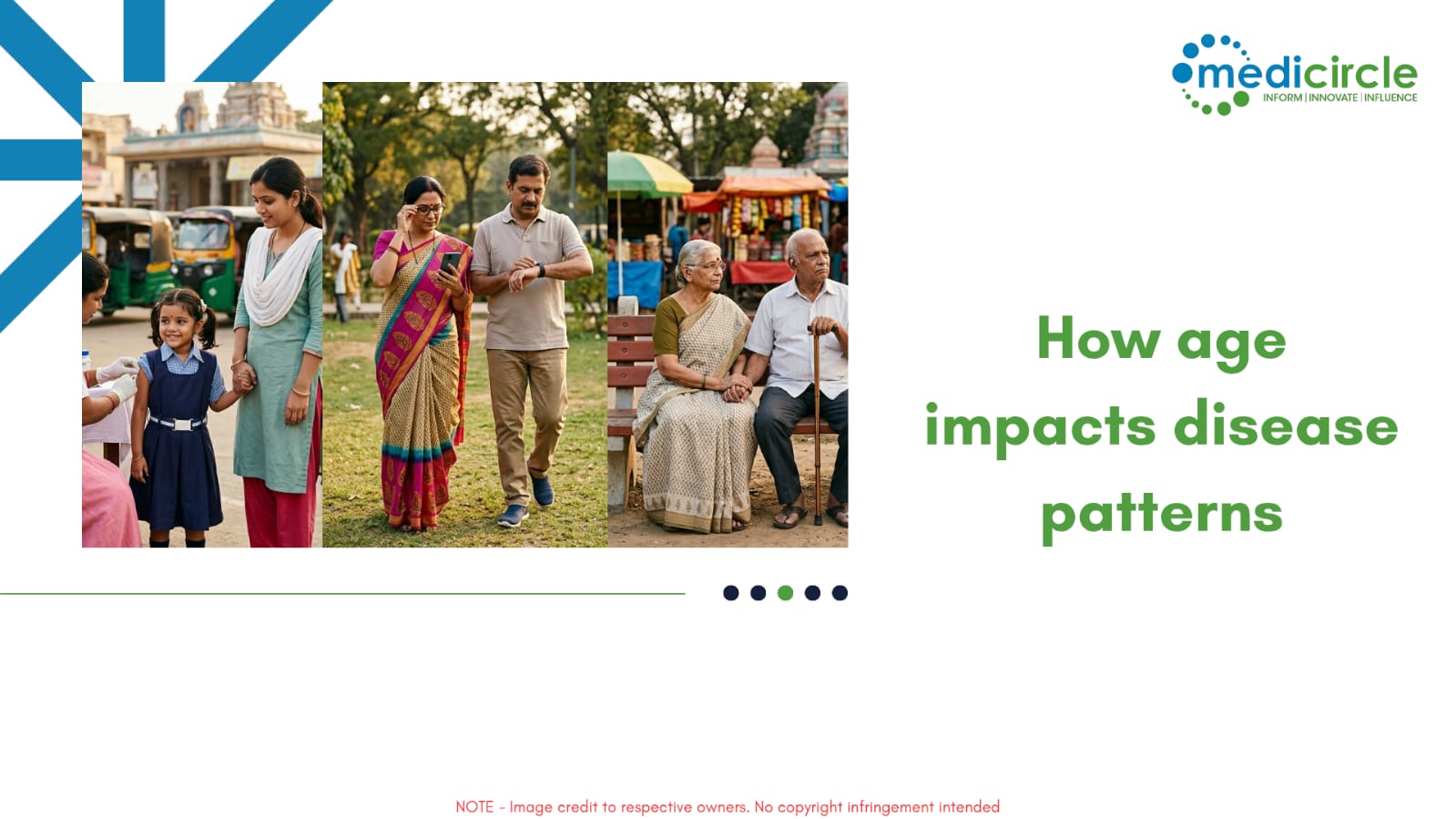
 This article explores the relationship between age and disease, highlighting how health risks evolve throughout life. It discusses childhood health concerns, lifestyle impacts on cell aging, the rise of age related diseases in middle age, and the prevalence of common diseases in elderly populations. The article also provides a list of old age diseases, explains preventive strategies, and emphasizes the role of digital healthcare in managing age associated diseases and improving long-term wellness




Health is never constant. As people grow older, their bodies undergo biological transformations that influence the type of illnesses they may experience. The relationship between age and disease is one of the most important aspects of modern healthcare. From childhood infections to age related diseases in senior citizens, every stage of life comes with unique health challenges.
In India, changing lifestyles, environmental factors, and longer life expectancy have increased awareness around age associated diseases and the need for preventive healthcare. Understanding how the body changes with cell aging helps families prepare for medical needs and manage risks effectively.
A proactive approach to health can help reduce old age illness, prevent old age ailments, and improve quality of life across generations.
How Age and Disease Are Connected
The connection between age and disease is closely linked to biological changes in the body. Over time, cell aging reduces the body's ability to repair itself, increasing the risk of chronic illnesses.
As people age, the immune system weakens and organs function less efficiently. This leads to a higher probability of developing age related ailments, age associated diseases, and various old age diseases.
Some rare conditions like progeria disease demonstrate how accelerated aging can cause severe health complications at an early age. While progeria is extremely rare, it highlights the powerful role aging plays in disease development.
Understanding this relationship allows individuals to adopt healthier lifestyles and preventive healthcare strategies.
Childhood Health Risks and Early Disease Patterns
Immune Development and Early Infections
Childhood is a critical stage for immune system development. During these years, children are vulnerable to infections, nutritional deficiencies, and environmental health risks.
Although old people disease patterns usually appear later in life, poor health during childhood can increase the risk of chronic illnesses in adulthood.
Common childhood illnesses include:
- Respiratory infections
- Viral fevers
- Digestive infections
- Nutritional deficiencies
Maintaining proper nutrition and regular vaccination schedules is essential to build strong immunity and reduce long-term health risks.
Early health care plays a key role in preventing future age related illness and strengthening overall wellbeing.
Youth Lifestyle Changes and Future Health Risks
Lifestyle Habits That Influence Cell Aging
During adolescence and early adulthood, lifestyle habits begin to shape long-term health outcomes. Poor diet, lack of exercise, and stress can accelerate cell aging, increasing the risk of chronic conditions later in life.
In India, many young adults are now experiencing health issues that were previously seen mainly among the elderly.
Some early warning signs include:
- Obesity
- Vitamin deficiencies
- High blood pressure
- Metabolic disorders
These issues may later contribute to serious age related diseases such as diabetes, cardiovascular disease, and other age associated diseases.
Adopting healthier habits during youth can significantly delay old age sickness and reduce the risk of developing chronic conditions later.
Middle Age and the Rise of Age Related Diseases
Managing Chronic Conditions
Middle age is often the stage when the long-term effects of lifestyle choices become visible. Many individuals begin to experience chronic illnesses associated with aging.
Some of the most common age related diseases appearing during middle age include:
- Type 2 diabetes
- Hypertension
- Heart disease
- Thyroid disorders
- High cholesterol
These conditions often develop slowly without obvious symptoms. Regular health screenings are therefore essential for early detection.
Monitoring health indicators such as blood pressure, blood sugar, and cholesterol levels can prevent serious complications and reduce the risk of severe age related illness later in life.
Common Diseases in Elderly People
Understanding Old Age Diseases
As people enter their senior years, the body experiences gradual physiological decline due to cell aging. This increases vulnerability to many common diseases in elderly populations.
Some of the most common diseases in old age include:
- Arthritis
- Osteoporosis
- Heart disease
- Diabetes
- Dementia
- Cataracts
- Hearing loss
- Parkinson’s disease
These conditions are often included in the list of old age diseases that affect millions of elderly individuals worldwide.
Many of these conditions are also referred to as old age illness, old age sickness, or old age ailments, as they significantly impact mobility, independence, and quality of life.
List of Old Age Diseases and Health Challenges
Major Old People Diseases
Healthcare professionals frequently track a list of old age diseases to help manage elderly health more effectively.
Common old people disease conditions include:
- Arthritis and joint disorders
- Cardiovascular diseases
- Alzheimer's disease and dementia
- Osteoporosis
- Chronic respiratory diseases
- Diabetes
- Kidney disorders
- Vision impairment and cataracts
- Hearing loss
- Parkinson’s disease
These illnesses represent some of the most serious old people sickness conditions that require long-term medical management.
Early detection and proper care can greatly improve outcomes and quality of life for elderly patients.
Digital Healthcare and Managing Age Related Illness
Modern healthcare technology is transforming how medical care is delivered and managed.
Digital health records, telemedicine, and remote monitoring help doctors track age related ailments and chronic conditions more efficiently.
Benefits of digital healthcare include:
- Faster access to medical consultations
- Better tracking of long-term health conditions
- Personalized treatment plans
- Improved care for elderly patients
These technologies are especially beneficial for managing common diseases in elderly individuals who may require continuous monitoring and specialist care.
Preventing Age Associated Diseases Through Lifestyle
Prevention plays a vital role in reducing the risk of age associated diseases.
Healthy lifestyle habits can slow cell aging and reduce the likelihood of developing serious illnesses later in life.
Key preventive measures include:
- Balanced nutrition
- Regular physical activity
- Stress management
- Routine health checkups
- Proper sleep habits
- Avoiding smoking and excessive alcohol
These steps help prevent many age related ailments and improve overall longevity.
Planning for Healthy Aging
With life expectancy increasing in India, preparing for long-term health management is more important than ever. Understanding the relationship between age and disease allows families to make better healthcare decisions.
By combining preventive healthcare, modern medical technology, and healthy lifestyle habits, individuals can reduce the risk of old age diseases and maintain a better quality of life.
Healthy aging is not just about living longer — it is about living better, with fewer old age illness conditions and greater independence in later years.





-23-300x250.png)

.jpeg)






.jpg)
.jpg)
.jpg)
.jpg)
.jpg)
.jpg)
.jpg)
.jpg)
.jpg)

