Friday, October 23, 2026
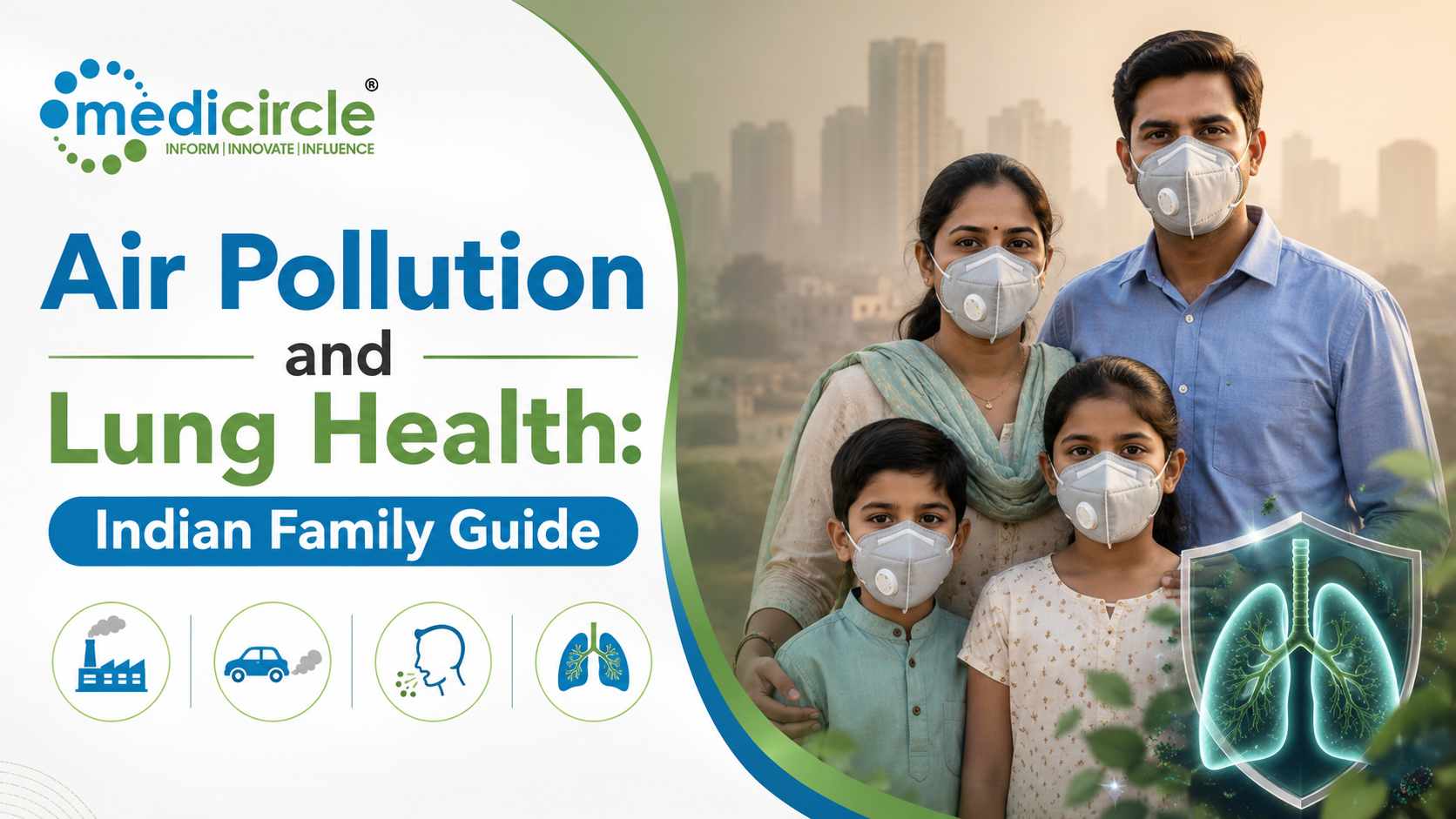
 Air pollution poses a severe, continuous threat to respiratory health across India. This article explores how fine particulate matter damages lung tissue, accelerates chronic conditions, and outlines practical indoor and outdoor strategies families can adopt to protect their long-term respiratory well-being.




Safeguard Your Family from India’s Air Pollution Crisis
Every single day, millions of households across India confront a quiet but severe health emergency. From major metropolitan hubs to rapidly developing rural towns, the heavy haze blanketing our horizons remains a constant reminder of toxic particles entering our bodies. While winter smog often grabs media headlines, poor air pollution in India represents a persistent, year-round medical challenge that compromises our health with every single breath we take.
Protecting your household from this environmental crisis begins with understanding exactly how compromised air damages human anatomy. By recognizing the deep connection between toxic emissions and long-term lung health, you can take active, practical steps to shield your loved ones. Relying on verified medical insights and staying updated on environmental wellness strategies gives your family the tools needed to live a healthier life.
Invisible Airborne Threats
The air surrounding our communities contains a complex, often invisible mixture of toxic gases and microscopic debris. Among these pollutants, fine particulate matter known as PM2.5 and PM10 poses the greatest risk to human health. These tiny particles originate from everyday sources, including heavy vehicle exhaust, construction site dust, industrial emissions, and widespread agricultural burning.
Because PM2.5 particles are exceptionally small, they easily slip past the natural protective mechanisms of your nose and upper respiratory tract. Instead of being filtered out safely, they travel deep into the lower recesses of your lungs. They settle into delicate tissues where they cause immediate cellular friction and mechanical stress, altering baseline respiratory health for urban and rural residents alike.
Poor air quality is not a temporary, seasonal discomfort. It is a structural health hazard that constantly wears down your respiratory immunity over time.
Altered Respiratory Biology
When foreign matter invades your breathing passages, your immune system triggers an inflammatory response to isolate and neutralize the threat. However, when you breathe in toxic air day after day, this temporary defense mechanism morphs into dangerous, chronic inflammation. This constant internal stress causes the sensitive linings of your airways to swell, narrow, and produce excessive mucus.
Over time, this continuous physiological strain weakens the localized immune defenses within your chest cavity. As a result, your body becomes far less capable of fighting off common seasonal illnesses like bronchitis, flu strains, and severe respiratory infections.
Highly Vulnerable Groups
- Developing Children: Children breathe at a much faster rate than adults, inhaling a higher volume of toxins relative to their small body weight while their lungs are still forming.
- Elderly Family Members: Older adults possess lower physiological reserves, making it harder for their bodies to recover from the inflammatory damage caused by poor air quality.
Chronic Illness Crisis
Prolonged exposure to heavy air pollution is directly fueling an unprecedented rise in chronic lung disorders across India. As per the Experienced Doctors, the conditions like asthma and Chronic Obstructive Pulmonary Disease are no longer limited to specific industrial workers or older demographics. Today, even healthy young adults living in suburban areas are being diagnosed at alarming rates.
|
Condition |
Impact of High Pollution Exposure |
|---|---|
|
Asthma |
Triggers sudden, life-threatening attacks and increases daily reliance on rescue inhalers. |
|
COPD |
Accelerates the permanent destruction of lung tissue, causing a severe drop in daily stamina. |
|
Chronic Bronchitis |
Causes persistent, painful coughing fits and long-term scarring of the bronchial tubes. |
When your lungs are forced to work twice as hard just to extract basic oxygen from the air, simple daily tasks like walking up stairs or exercising can become exhausting. Monitoring minor changes in your family baseline energy levels and seeking early medical advice can prevent manageable lung irritation from spiraling into a permanent medical crisis.
Clean Indoor Air
While cleaning up the air across India requires monumental, long-term policy shifts, securing the atmosphere inside your own living space is entirely within your control. Many families believe that staying indoors provides absolute safety from external smog, but outdoor toxins regularly seep into homes through minor cracks, open doors, and standard ventilation systems. Furthermore, common household habits like cooking with heavy oils, burning traditional incense, and sweeping can accidentally cause indoor air pollution levels to skyrocket.
To transform your home into a genuine sanctuary for your lungs, consider installing a high-efficiency particulate air filtration system in high-use rooms like the bedroom. It is also wise to open windows for ventilation only during the warm afternoon hours when outdoor pollution levels typically drop to their lowest point. Pairing these practical adjustments with reliable medical advice allows your family to live in a clean, protective environment.
Safe Outdoor Habits
Minimizing your daily exposure to ambient toxins requires a strategic approach to travel and fitness routines. Air quality levels change constantly throughout the day based on shifting wind speeds, temperature drops, and local traffic congestion. Checking a reliable Air Quality Index application before leaving your house allows you to plan your outdoor errands and school commutes during safer windows.
Actionable Daily Steps
- Wear Certified Masks: When traveling through high-traffic corridors, use a well-fitted respirator mask designed to filter out fine particulate matter safely.
- Modify Workout Routines: Avoid intense outdoor exercise on high-pollution mornings and switch to indoor yoga or aerobic exercises to avoid deep inhalation of toxins.
- Create Green Barriers: Plant thick, leafy shrubs around your home perimeter to help catch heavy dust before it reaches your living spaces.
Frequently Asked Questions
Can indoor plants entirely clear out fine air pollution?
While specific house plants can absorb trace amounts of select gaseous toxins, they lack the mechanical capacity to capture fine particulate matter like PM2.5. To truly clear dust and microscopic soot from a room, you need a dedicated air purifier equipped with a certified high-efficiency filter.
What are the earliest signs that pollution is hurting my lungs?
The initial warning signs usually present as a persistent dry cough, constant throat irritation, watery eyes, and an uncharacteristic feeling of breathlessness during mild physical exertion. If these symptoms do not improve with rest, consulting a healthcare professional remains essential.
How does air pollution impact a child long-term health?
Because a child respiratory system is still growing, heavy exposure to daily pollutants can permanently stunt optimal lung growth. This structural damage increases their statistical risk of developing severe asthma and other chronic respiratory issues later in life.
Proactive Family Wellness
Allowing environmental toxins to compromise your family physical well-being without a fight gives chronic diseases the perfect opportunity to develop silently. Protecting your respiratory system requires a thoughtful mix of daily awareness, lifestyle consistency, and proactive medical choices. By learning how air quality impacts your internal biology, you can take control of your immediate surroundings and protect your loved ones with total confidence.
Staying closely aligned with trusted medical resources and seeking timely clinical checkups ensures you stay ahead of environmental health threats. Choosing to prioritize clean air habits, using proper protective gear, and making informed lifestyle adjustments ensures your family can breathe easily, preserving their vitality and building a healthier future.





-23-300x250.png)

.jpeg)

.jpg)
.jpg)
.jpg)
.jpg)
.jpg)
.jpg)
.jpg)
.jpg)
.jpg)