Tuesday, October 27, 2026
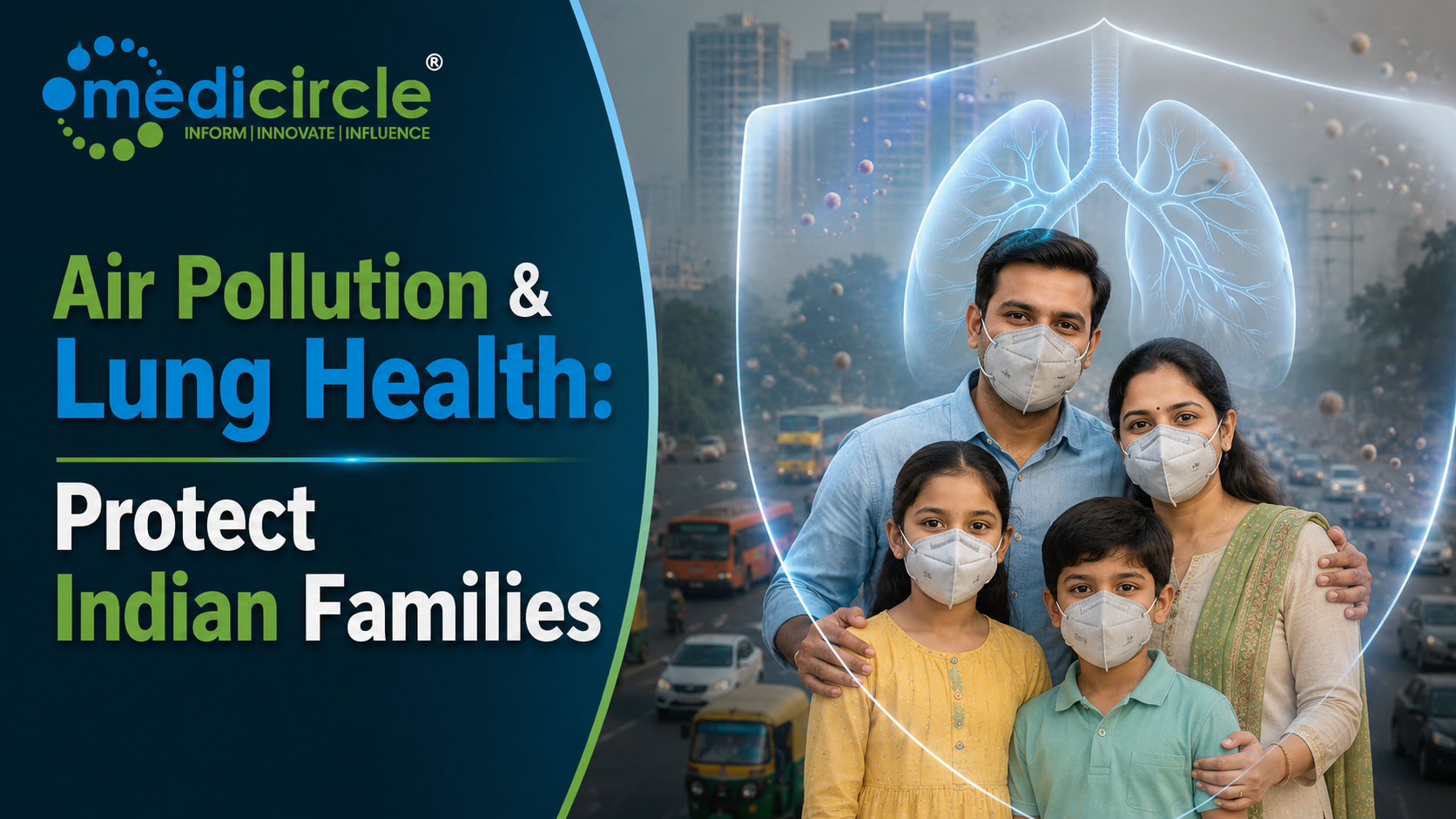
 Air pollution poses a severe, continuous threat to respiratory health across India. This article explores how fine particulate matter damages lung tissue, accelerates chronic conditions, and outlines practical indoor and outdoor strategies families can adopt to protect their long-term respiratory well-being.




Protecting Indian Families from Air Pollution
Across India, poor air quality has transformed from a distant environmental debate into an immediate household health crisis. Whether you reside in a densely populated metropolitan center or a rapidly urbanizing town, stepping outdoors means encountering an invisible, persistent mix of microscopic toxins. While the thick winter smog makes headlines, the underlying threat to our respiratory systems remains a constant, year-round reality.
Breathing compromised air day after day places immense stress on the human body. Safeguarding your loved ones begins with understanding exactly how these airborne hazards interact with our respiratory defense systems. By looking closely at the link between ambient pollution and lung function, families can take practical, everyday steps to avoid long-term medical complications and preserve their respiratory vitality.
Nature of Airborne Pollutants
The atmosphere around us holds a complex combination of gases and microscopic solid debris, much of which cannot be seen by the naked eye. The most hazardous components are categorized as particulate matter, specifically PM2.5 particles and PM10 dust. These minute fragments originate from everyday sources such as vehicular exhaust, industrial chimneys, construction sites, and regional agricultural burning.
The primary danger lies in their scale. Because PM2.5 pollution is exceptionally microscopic, these particles easily slip past the natural physical filters in our nasal passages and throat. Instead of being trapped and expelled, they journey deep into the lower recesses of the lungs, settling directly into the sensitive tissues responsible for oxygen exchange.
Once trapped inside, these particles cause continuous mechanical friction and biochemical stress. Over time, this constant irritation alters the baseline environment of your airways, forcing the lungs to work much harder to perform their basic daily functions. Recognizing that poor air quality is a structural, year-round health risk rather than a temporary seasonal nuisance is the vital first step toward implementing effective personal defense strategies.
Damage to Respiratory Tissues
When foreign particles invade the respiratory tract, the human body naturally triggers an immune response to neutralize and clear the threat. However, when the influx of pollutants never stops, this defensive mechanism gets stuck in overdrive, resulting in chronic, low-grade tissue inflammation.
As a result, the delicate mucosal linings of the airways become hyper-sensitive, swollen, and prone to narrowing. This inflammation limits the smooth, effortless passage of oxygen into the bloodstream, forcing the cardiovascular system to work harder.
Over months and years, this continuous environmental stress wears down the local immune defenses within the lungs. This leaves individuals highly susceptible to common, acute respiratory infections such as bronchitis and pneumonia. The threat is particularly pronounced for two distinct age groups.
Risks for Growing ChildrenChildren naturally breathe at a faster rate than adults. They inhale a larger volume of air relative to their total body weight. Because their respiratory tracts and immune systems are still actively developing, heavy exposure to ambient pollution can physically restrict optimal lung growth and increase the risk of childhood asthma.
Risks for Elderly RelativesOlder family members face unique physiological challenges. Their natural tissue resilience and cellular repair mechanisms decline over time. Because of this reduced immunity, breathing polluted air accelerates the degradation of their remaining lung capacity and complicates existing age-related health conditions.
Burden of Chronic Conditions
Prolonged exposure to heavy concentrations of particulate matter is a primary driver behind the surging rates of chronic respiratory diagnoses across India. Ailments like asthma and Chronic Obstructive Pulmonary Disease are no longer confined to industrial laborers or high-risk occupations. They are increasingly common among everyday urban and suburban residents.
For individuals already living with a pre-existing respiratory condition, a sudden spike in local pollution acts as an immediate trigger. It can cause sudden, acute breathing distress, severe wheezing, and chest tightness that may require urgent medical care.
Beyond these sudden flare-ups, poor air quality causes a slow, progressive reduction in total lung capacity over time. This decline often manifests subtly. Activities that once felt completely effortless, such as climbing a few flights of stairs, walking to a local market, or playing a sport, gradually become physically exhausting. Paying close attention to changes in your daily stamina and seeking early medical care for lung disease can prevent mild respiratory strain from evolving into a permanent, life-altering medical issue.
Practical Indoor Interventions
While cleaning up the outdoor atmosphere requires long-term, large-scale public policy changes, controlling the air safety inside your own home is completely within your power. A common misconception is that staying indoors offers absolute protection. In reality, outdoor toxins easily migrate indoors through open windows, doors, and standard ventilation shafts. Furthermore, routine indoor activities can inadvertently spike your home particle count.
Hazards of Indoor CookingCooking methods that involve high-heat frying, roasting, or tempering spices release significant amounts of fine organic particles and irritating gasses into the indoor air. Utilizing an exhaust fan or a high-suction kitchen chimney is highly effective at venting these irritants outside.
Household Dust and RitualsBurning incense sticks or lamps inside enclosed spaces can elevate smoke toxins. Dry sweeping floors also kicks settled dust back into the breathing zone. To establish a genuine clean-air sanctuary for your family, consider purchasing the best air purifier for home use. Placing high-efficiency particulate air filtration units in high-use, enclosed spaces like bedrooms can dramatically drop particle counts. Additionally, practice smart ventilation by opening your home to flush out stagnant air only during hours when outdoor pollution levels naturally dip.
Smarter Daily Outdoor Habits
Minimizing your daily intake of outdoor environmental toxins requires making deliberate, strategic adjustments to your routine. Air pollution levels fluctuate significantly throughout the day based on local traffic congestion, wind patterns, and shifting temperature inversions.
Checking a reliable Air Quality Index application before leaving the house allows you to plan outdoor chores, morning walks, and school commutes during safer, lower-risk windows.
When you must travel through heavy traffic gridlock or visit high-density construction zones, wearing a certified, well-fitting protective mask provides an essential physical barrier that screens out fine particulate matter. It is also highly advisable to modify your exercise routines on days when the index reads poorly. Swapping an outdoor run for an indoor workout prevents you from drawing large volumes of unfiltered, toxic air deep into your lung tissues during heavy exertion.
Frequently Asked Questions
Can indoor plants completely purify a room from fine particulate matter?
While certain indoor varieties like spider plants or snake plants can absorb trace amounts of specific gaseous chemicals, they lack the mechanical capability to filter out solid, ultra-fine particulate matter from the air. For true particle reduction, mechanical air purifiers equipped with verified filters are required.
What are the immediate warning signs that pollution is affecting health?
Short-term symptoms typically include a persistent scratchy or irritated throat, an uncharacteristic dry cough, mild wheezing, watery or burning eyes, and a feeling of breathlessness during routine physical tasks. If these symptoms do not resolve with rest, consulting a healthcare professional is recommended.
Choices for Family Wellness
Allowing ambient pollution to continuously impact your family respiratory health without intervention gives chronic, long-term conditions an opportunity to establish themselves silently. Prioritizing the health of your lungs requires a deliberate blend of awareness, daily consistency, and proactive lifestyle adjustments. By understanding exactly how the ambient environment interacts with your body, you can successfully minimize risks, transform your home into a safe space, and step outdoors with confidence.
Staying informed through reliable healthcare insights ensures you remain ahead of environmental health trends. Choosing to adopt clean-air habits, utilizing protective equipment, and seeking timely medical guidance when symptoms arise ensures your loved ones can breathe easily, protecting their daily vitality and ensuring a healthier future.
Abstract:
Air pollution poses a severe, continuous threat to respiratory health across India. This article explores how fine particulate matter damages lung tissue, accelerates chronic conditions, and outlines practical indoor and outdoor strategies families can adopt to protect their long-term respiratory well-being.





-23-300x250.png)

.jpeg)






.jpg)
.jpg)
.jpg)
.jpg)
.jpg)
.jpg)
.jpg)
.jpg)
.jpg)