Friday, October 23, 2026
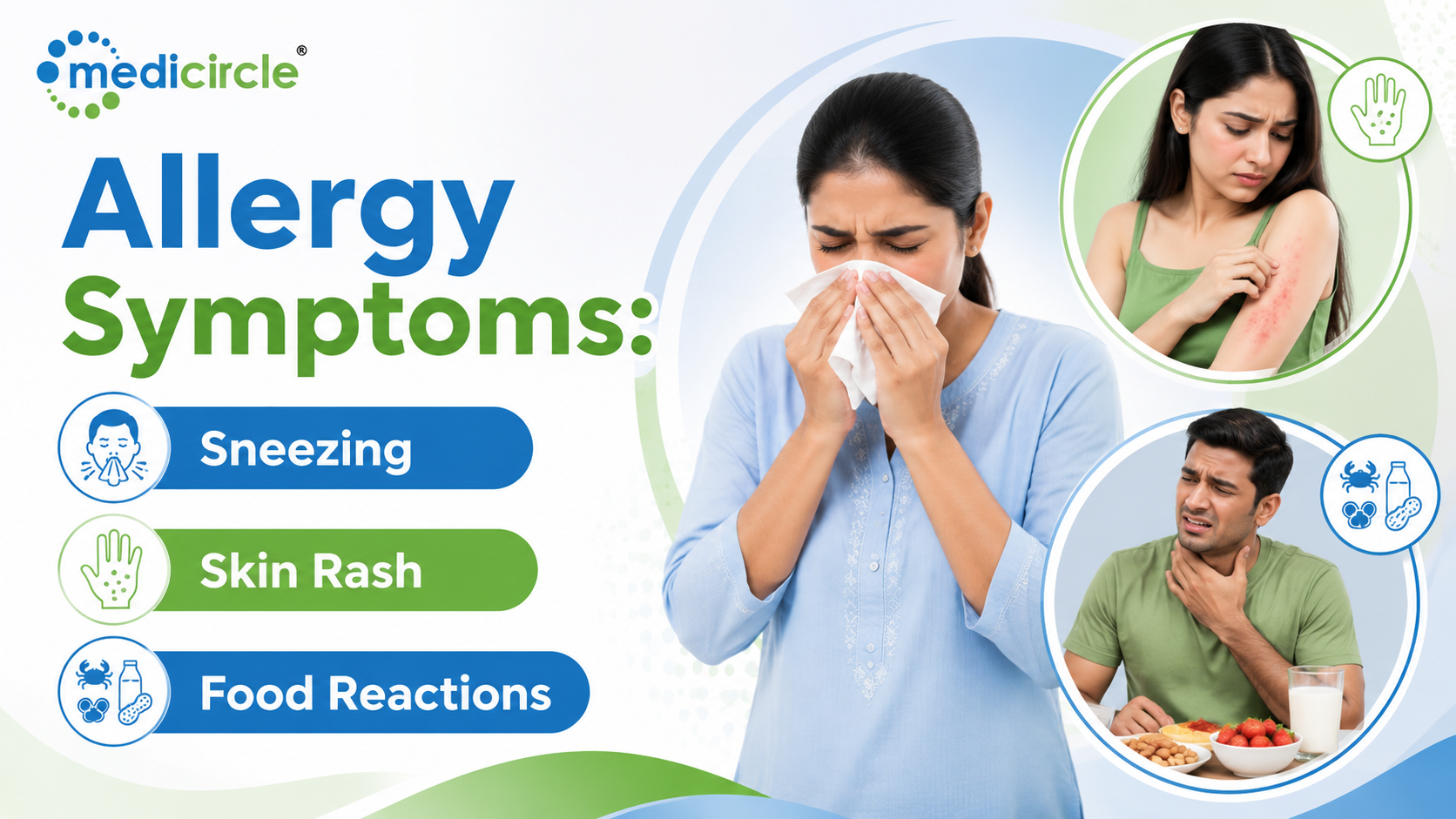
 Allergy symptoms like sneezing, skin rashes, and food reactions are indicators that the body is overwhelmed by environmental or dietary inputs. Structured awareness can assist with management.




Allergy Symptoms: Sneezing, Skin Rash and Food Reactions Explained
Have you ever wondered why a sudden change in weather, a dusty room, or a specific meal can instantly make you feel miserable? In India, our bodies constantly interact with a unique mix of shifting seasons, intense dust, and rich, diverse foods. Sometimes, our immune system gets confused. It spots something completely harmless, such as a speck of pollen or a protein in your lunch, and treats it like a dangerous virus or bacteria. That false alarm is the starting point of an allergic reaction.
At Medicircle, we believe that clear health information helps you make better choices for your family. When you know exactly how and why your body is reacting, it becomes much easier to manage these symptoms, get the right medical advice, and make simple, effective tweaks to your daily routine. Let us examine what happens behind the scenes during respiratory, skin, and food allergies.
Why Allergies Happen
To understand an allergy, think of your immune system as an overprotective security guard. The trouble makers, which are known as allergens, can be anything from dust mites and tree pollen to milk proteins and shellfish.
When an allergen enters the body of someone who is prone to sensitivities, the immune system panics and creates specific antibodies called Immunoglobulin E (IgE). These antibodies act as an alarm system, telling your cells to flood your bloodstream with chemicals called histamines. Histamines cause your tissues to swell and your blood vessels to expand. Depending on where this defense chemical is released, whether it is in your nose, on your skin, or in your gut, you will experience a very specific set of symptoms.
Managing Airborne Triggers
Breathing in India often means dealing with heavy dust, vehicular emissions, and seasonal agricultural burning. For millions of people, this mix leads directly to daily nasal discomfort, frequently resulting in chronic respiratory issues.
The Sneezing Mechanism
When you inhale tiny particles like mold spores or pollen, they get trapped on the moist lining inside your nose. Your nerve endings get irritated by the sudden release of histamine, prompting an immediate, forceful reflex to blow those particles out. This leads to those unstoppable, multi-sneeze chains. At the same time, the blood vessels inside your nasal passages swell up, making you feel completely congested while producing a steady stream of thin, clear fluid.
Allergy Versus Cold
It is very easy to mix up allergic rhinitis with a typical viral cold, but a few key signs can help you tell them apart:
- The Common Cold: This condition tends to build up slowly over a couple of days. You might experience body aches, a low-grade fever, and thick, yellowish mucus. It usually clears up on its own within a week.
- Allergic Rhinitis: This reaction hits you instantly the moment you encounter a trigger. There is no fever involved, the nasal discharge stays completely clear and watery, and it will not go away as long as you are near the allergen. It also leaves you with intensely itchy eyes and a scratchy throat.
Understanding Skin Rashes
Your skin is your body's shield against the outside world. When that shield is irritated by external contact or an internal trigger, it expresses its distress through inflammation, redness, and severe irritation.
Eczema and Dermatitis
This condition leaves the skin feeling incredibly dry, red, and rough. While it frequently starts during infancy, many adults continue to struggle with it. In India, factors like intense summer humidity, trapped sweat, and harsh soaps can cause major flare-ups. The itch can be relentless, but scratching damages the skin barrier further, opening the door for harmful bacteria to cause an infection.
Hives and Welts
Hives appear as raised, swollen patches or red welts that look a lot like insect bites. They sting or itch intensely and can pop up anywhere on the body out of nowhere. A single welt might disappear within a few hours, only for a new one to form nearby. Hives can be triggered by stress, temperature extremes, viral infections, medications, or certain foods.
Contact Reactions
This rash occurs when your skin touches something it absolutely dislikes. Traditional artificial jewelry containing nickel, heavy fragrances in cosmetics, or strong laundry detergents are common culprits. The resulting rash, which sometimes develops tiny blisters, stays strictly confined to the exact patch of skin that touched the object.
Managing Food Reactions
Food plays a central role in Indian culture, but certain ingredients can cause significant health complications for sensitive individuals, making it vital to track what we consume.
Allergy versus Intolerance
It is vital to separate a true food allergy from a food intolerance, as the risks are completely different:
- Food Allergy: This is an immune system crisis. Even a tiny trace of an allergen can cause a full-body reaction that can affect your breathing and heart, making it potentially dangerous.
- Food Intolerance: This is strictly a breakdown in your digestive system. For instance, lactose intolerance happens simply because your gut lacks enough enzymes to digest the sugars in milk. It can cause uncomfortable gas, bloating, and stomach cramps, but it is never life-threatening.
Common Indian Triggers
While international guides focus heavily on options like berries or soy, the typical Indian diet has its own unique set of triggers:
- Lentils and Chickpeas (Pulses): Because pulses form the backbone of daily vegetarian meals, allergies to specific dals are frequently diagnosed by doctors here.
- Wheat: Sensitivities can range from classic hives to Celiac disease, where gluten causes long-term damage to the small intestine.
- Milk and Nuts: Dairy proteins can cause skin and gut issues in toddlers, while tree nuts and peanuts used in rich festival gravies and sweets can trigger sudden, severe symptoms.
- Seafood: Fresh and dried fish varieties are common triggers, particularly across coastal communities.
Recognizing Serious Emergencies
Most allergies are just annoying, but some can escalate into a severe, full-body emergency known as anaphylaxis. This requires urgent medical care.
Anaphylaxis happens incredibly fast, often within seconds or minutes after eating a trigger food or being stung by an insect. It causes your blood pressure to crash and your airways to close up tightly.
Emergency Warning Signs: If you or someone near you experiences a swelling throat, difficulty swallowing, a swollen tongue, severe dizziness, a rapid but weak pulse, or sudden fainting, skip the home remedies and head to the nearest emergency room immediately.
Daily Control Strategies
Dealing with allergies does not mean you have to stay locked indoors. A combination of smart habits and the right medical guidance can keep your symptoms under control.
|
Allergy Type |
Practical Everyday Steps for Relief |
|---|---|
|
Nasal & Eye |
Keep windows shut during high-pollen seasons; wash bedding in hot water weekly to kill dust mites; clean AC filters regularly. |
|
Skin & Surface |
Avoid long, hot showers; use mild, fragrance-free moisturizers right after drying off; choose soft, breathable cotton clothing. |
|
Dietary |
Check ingredient labels every single time you buy packaged snacks; clearly communicate your food restrictions when eating out. |
Modern medicine offers excellent tools for managing long-term symptoms. Simple antihistamine tablets can keep daily sneezing and itching at bay, while soothing creams can calm angry skin rashes. However, if your symptoms are disrupting your sleep or daily life, it is wise to see an allergist. They can perform precise skin prick or blood tests to pinpoint your exact triggers. In many cases, they can recommend immunotherapy, which is a process of introducing tiny, controlled amounts of the allergen over time to train your immune system to stop panicking.
Conclusion
At the end of the day, symptoms like a runny nose, an itchy rash, or an upset stomach are just your body's way of signaling that it is overwhelmed by its surroundings. Because India features such a vast mix of climates, regional dust levels, and local ingredients, staying informed is your best defense. By learning to read your body's signals, getting an accurate diagnosis from a healthcare provider, and making proactive changes at home, you can easily take the stress out of allergy season and keep your family thriving.
Common Allergy Questions
Can I suddenly develop an allergy as an adult?
Yes. It is a common misconception that allergies only start in childhood. Your immune system can change as you age, and moving to a new city, experiencing prolonged stress, or encountering a new environment can trigger a brand-new allergy later in life.
How do doctors find out exactly what is causing my allergy?
Allergists generally use two reliable methods. They may perform a skin prick test, where small drops of purified allergens are placed on your forearm and scratched gently to see if a tiny, temporary bump forms. Alternatively, they can order a specific IgE blood test to map out your antibody levels.
Is there a way to get rid of allergies permanently?
While there is not a magical cure that deletes allergies overnight, you can desensitize your body. Long-term immunotherapy, which means using allergy shots or under-the-tongue drops over a few years, can retrain your immune system so that it barely reacts to the trigger in the future.
Why do my allergies always act up when the seasons change?
Weather shifts do not cause allergies directly, but changes in temperature, wind, and humidity cause sharp spikes in environmental allergens. For example, dry winds scatter pollen across long distances, while sudden humidity can cause a massive burst in dust mites and mold growth.
Allergy symptoms like sneezing, skin rashes, and food reactions are indicators that the body is overwhelmed by environmental or dietary inputs. Structured awareness can assist with management.





-23-300x250.png)

.jpeg)


.jpg)
.jpg)
.jpg)
.jpg)
.jpg)
.jpg)
.jpg)
.jpg)
.jpg)