 Monday, October 12, 2026
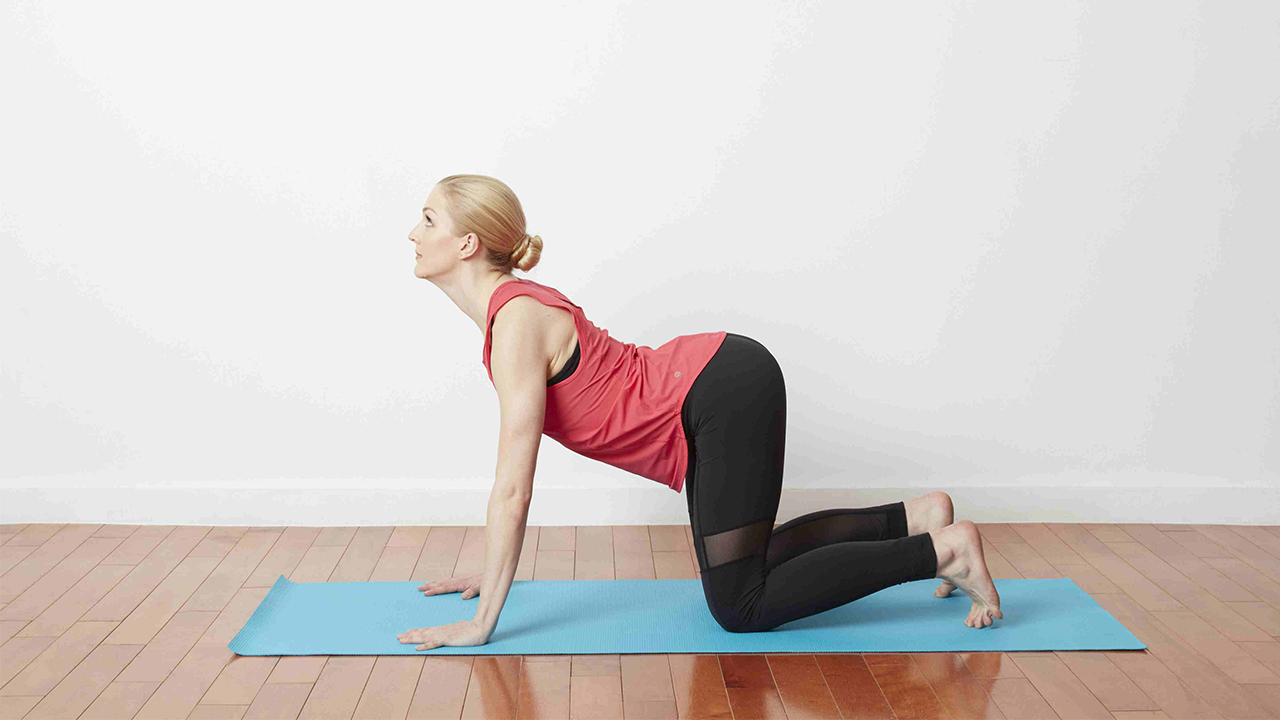
 Yoga benefits the whole body. Let us know about the benefits of Chakravakasana in detail and the right way to do it.





In today's hectic routine, your whole day is spent in front of the laptop or the system in the office. After that the condition of your eyes, back and waist may get worse. Sometimes the pain increases so much that it becomes difficult for you to even stand up. Apart from this, many people may also have problems with knee and neck pain. To avoid this, many people take many types of therapy to get rid of neck belt and back pain, but it does not provide any special relief and the pain increases in daily running but you can get rid of it and you can also keep the body healthy. You can easily do Chakravakasana by taking some time out of work from home or after coming home from the office. This relaxes the muscles of the entire neck and back and can also reduce the problem of swelling in the veins.
Benefits of Chakravakasana
- It relaxes your back and waist muscles. Along with this, the stiffness and discomfort caused by sitting for a long time can also be relieved.
- Digestive problems can also be overcome by the practice of Chakravakasana.
- It can prove to be helpful in calming your mind and reducing stress.
- The practice of this asana helps in straightening the bones of the neck and spine.
- By practicing this asana, you can also improve your posture. Many times, after working for a long time, gradually the structure of our body starts deteriorating and the body is not able to remain shapely. In such a situation, Chakravakasana can help you.
- It can prove to be the right posture to get rid of pain in the lower part of the body and hips.
Correct way to do Chakravakasana
- To do this asana, you should come on the mat with the help of both your hands and feet like a badge or a cow.
- Try to keep your shoulders under your wrists and hips under your knees.
- Keep in mind that your entire body should be in a table top position. During this, try to keep your toes inside and neck long.
- Now take a deep breath and tilt the pelvis back so that your tailbone rises.
- Try to pull your abdominal muscles inwards so that the bones of the spine can meet together.
- Slowly move your gauge upwards and arch your back to the floor.
- Tilt your tailbone and look up and take a deep breath.
- Try to stay in this state for 1 minute. Then gradually come to original position
Precautions
- During this asana, slowly lower your head and release the back of your neck in a controlled manner.
- To strengthen your abdominal muscles, slowly push your navel towards your spine.
- Do not practice this asana if there is pain and strain in the neck.
- Apart from this, pay special attention to the speed of breath during the exercise.
- Do not practice this asana even if you have back pain.





.jpeg)










.jpg)
.jpg)
.jpg)
.jpg)
.jpg)
.jpg)


.jpg)