Tuesday, October 06, 2026
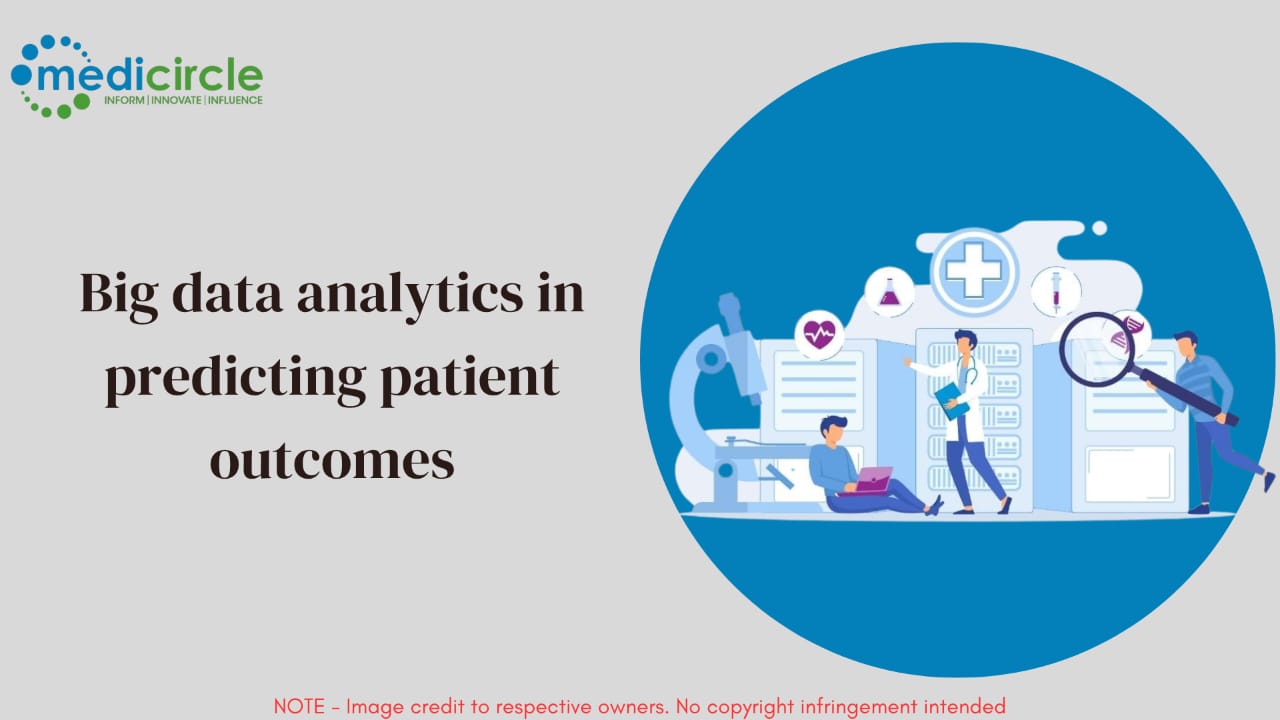
 Data is transforming healthcare in India by shifting focus from treatment to prevention, enabling predictive care, personalized medicine and smarter hospital management while ensuring better patient outcomes.




We often think of hospitals as places we visit when we are unwell. But behind the scenes, a significant change is taking place. Across India, a powerful tool is helping medical professionals move from simply treating sickness to actively predicting and preventing it. This shift is driven by the smart use of data, making healthcare more personal, efficient and hopeful for millions.
This is not about cold, impersonal numbers. It is about using the vast amounts of information generated by our health system, from doctor’s notes and lab results to pharmacy records and telehealth consultations to build a clearer picture of our health. For a country as vast and diverse as India, this approach is not just innovative; it is essential for building a healthier future.
Understanding healthcare data:
So, what exactly is this healthcare data? It is the collective story of our well-being, recorded in digital form. Think of your electronic medical file that travels with you, the results from your blood tests and MRI scans, the record of prescriptions you have filled and even the heart rate data from a smartwatch.
In India, this story has become even richer with the rise of telemedicine, which connects patients in remote villages with specialists in cities. It also includes information from government schemes like Ayushman Bharat, creating a massive nationwide health database. The real magic however, does not lie in just collecting this data but in learning to understand its subtle language.
By analyzing these patterns, computers can help doctor’s spot tiny warning signs that are easy to miss. A slight, consistent change in a diabetic patient’s sugar levels can hint at a future complication. Broader trends across a population can predict where a seasonal illness might strike next. This is the practical reality of data driven medicine today.
The process:
How does a pile of data transform into a life-saving prediction? The journey is both meticulous and fascinating.
It starts with gathering information from various trusted sources: hospitals, clinics, diagnostic labs and more. This data is then cleaned and compiled. Next, sophisticated analytical tools sift through it to find connections and patterns.
We can think of these tools in three ways:
- Looking backward: Some analysis simply asks, “What happened?” By reviewing past data, hospitals can learn, for instance: which health issues are most common in a specific community during the monsoon season.
- Looking forward: This is where prediction happens. By studying health records and lifestyle factors, models can identify individuals with a higher chance of developing conditions like hypertension or diabetes years later.
- Guiding action: The most advanced analysis does not just predict; it advises. It can suggest the most effective treatment plan for a complex patient by comparing their data with thousands of similar cases.
Imagine a patient being discharged after heart surgery. The system can flag if they are at high risk of readmission, prompting their care team to schedule extra follow-ups. This simple, proactive step can dramatically improve recovery and prevent a return to the hospital.
Data at work:
This is not a future dream. Indian healthcare is already putting data to work in remarkable ways.
Treatment to prevention:
Hospitals in cities like Delhi, Mumbai and Bangalore are now using predictive models to screen for chronic diseases. By analyzing family history, diagnostic reports and lifestyle information, they can identify at-risk individuals and guide them toward preventive care, effectively stopping an illness before it truly begins.
Care that fits:
We all respond differently to medicine. Data analytics helps doctors move away from a one size fits all approach. In cancer care, for example: combining genetic data with clinical information can point to the treatment most likely to work for a particular patient, personalizing their fight against the disease.
Smarter hospitals:
The COVID-19 pandemic was a tough lesson in resource management. Many Indian hospitals used data forecasts to predict patient surges, allowing them to intelligently manage ICU beds, ventilators and staff schedules. This ensured that critical resources were available for those in dire need.
Protecting public health:
State governments are using data to monitor the health of entire populations. By spotting emerging outbreaks or nutritional deficiencies early, they can direct vaccines, medicines and health programs to the districts that need them the most, making public spending more effective.
Why this matters:
The benefits of this data driven shift touch everyone.
For patients, it translates to more precise diagnoses, treatment plans tailored to your unique body and ultimately, better health. Early detection often means simpler, less expensive and more effective interventions.
For doctors and hospitals, data brings clarity and efficiency. It helps reduce waiting times, optimize staff duties and manage supplies better. This means medical professionals can focus more on patient care and less on administrative guesswork.
Most importantly, it empowers a culture of prevention. For India, which faces a growing challenge from lifestyle diseases, the ability to identify risk patterns and guide communities toward healthier choices is a game changer for the nation’s well-being.
The journey ahead:
Of course, this path has its hurdles. Protecting patient privacy is the foremost concern, requiring robust and trustworthy data security systems. Getting different hospital systems to communicate with each other is a technical challenge. There is also a growing need for professionals who understand both medicine and data science.
Yet, the direction is incredibly promising. New trends are set to deepen this transformation. Artificial intelligence is helping analyze complex medical images with stunning speed. Remote monitoring through wearable devices allows doctors to keep a virtual eye on patients with chronic conditions. The field of precision medicine continues to evolve, promising treatments designed for our individual genetic makeup.
As these technologies become more widespread and affordable, they hold the power to make quality healthcare a reality for every Indian, from the largest cities to the smallest villages.
A final thought:
In the end, this technological evolution is not about replacing the doctor’s expertise with a computer’s calculation. It is quite the opposite. It is about giving our healthcare workers a powerful new set of tools. The compassion of a nurse, the experience of a surgeon and the trust in a family doctor, these remain the heart of healing.
Data analytics simply sharpens their intuition and enhances their ability to care. It is a partnership between human skill and digital insight, working together to build a healthcare system that does not just heal us when we are sick but actively helps us stay well. That is a future worth building together.






.jpeg)
.jpg)
.jpg)
.jpg)
.jpg)
.jpg)
.jpg)


.jpg)
.jpg)
.jpg)
.jpg)
.jpg)
.jpg)