 Wednesday, November 18, 2026
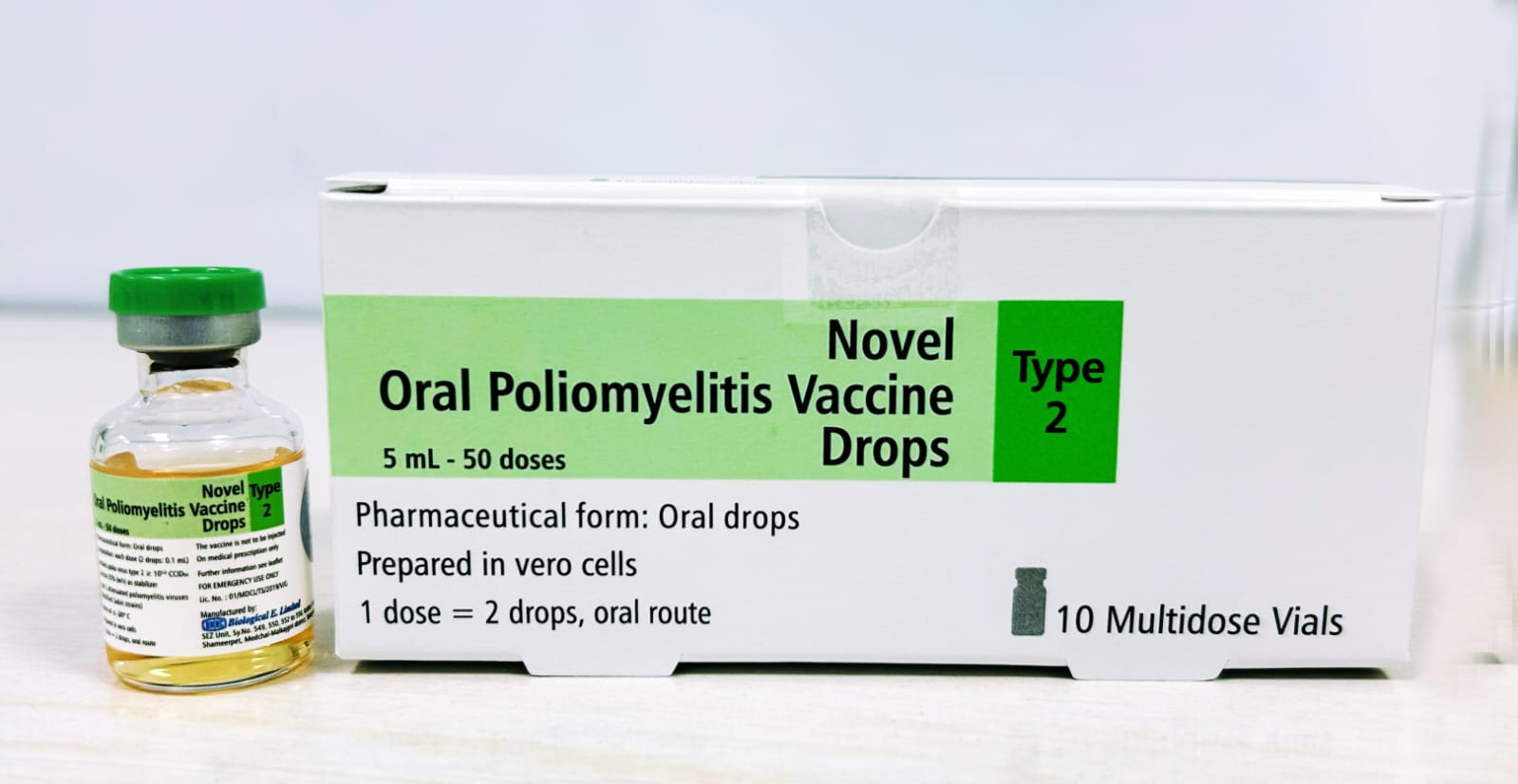
 Integrated WHO-qualified manufacturing strengthens supply availability for cVDPV2 outbreak control.





Hyderabad, February 12, 2026: Biological E. Limited (BE) today announced a major milestone in the global fight against polio, with the World Health Organization (WHO) granting Phase II Pre-Qualification (PQ) for its Novel Oral Polio Vaccine type 2 (nOPV2).
Phase II Pre-Qualification covers both Drug Substance and Drug Product manufactured at BE, completing the full manufacturing chain for nOPV2 at a single integrated site. This expands BE’s WHO-qualified manufacturing scope beyond Phase I, under which the company received PQ in June 2024 for drug product manufacturing using externally supplied drug substance. BE has already manufactured and supplied 700 million doses of nOPV2 to the product stockpile and shipped to multiple countries where nOPV2 immunization campaigns are underway to control circulating vaccine-derived poliovirus type 2 (cVDPV2 ) outbreaks.
The expanded qualification significantly strengthens global outbreak response readiness by adding integrated, WHO-qualified production capacity for nOPV2 — a critical vaccine used in controlling cVDPV2 outbreaks. The achievement reflects a multi-year, multi-partner global collaboration involving technology transfer, product comparability assessment, specialized testing, and manufacturing readiness programs across institutions. This milestone powerfully demonstrates India’s ability to deliver life-saving vaccines at scale, supporting rapid, reliable supply for global polio elimination efforts and protecting children worldwide.
Commenting on the milestone, Mahima Datla, Managing Director, Biological E. Limited, said “When polio outbreaks occur, response time and vaccine availability determine how quickly transmission can be stopped. nOPV2 has already been deployed in over a billion doses globally because it is designed specifically for outbreak control with improved genetic stability.”
“With Phase II WHO Pre-Qualification enabling full end-to-end manufacturing at our facilities, global supply becomes more resilient and more responsive. That matters because every delay in outbreak response carries real risk for children and communities.”
“This progress reflects the critical contributions of PT Bio Farma (Indonesia), PATH, and the Gates Foundation in technical and programmatic support.”
With integrated manufacturing infrastructure, validated processes, and export regulatory approvals already in place, BE is well positioned to support global program requirements as demand evolves. The Phase II qualification further enhances BE’s ability to ensure continuous, flexible, and rapid vaccine supply for international outbreak control programs, highlighting India’s leadership in delivering innovative, high-impact solutions that enable global polio eradication.”





-23-300x250.png)





















