Friday, October 23, 2026
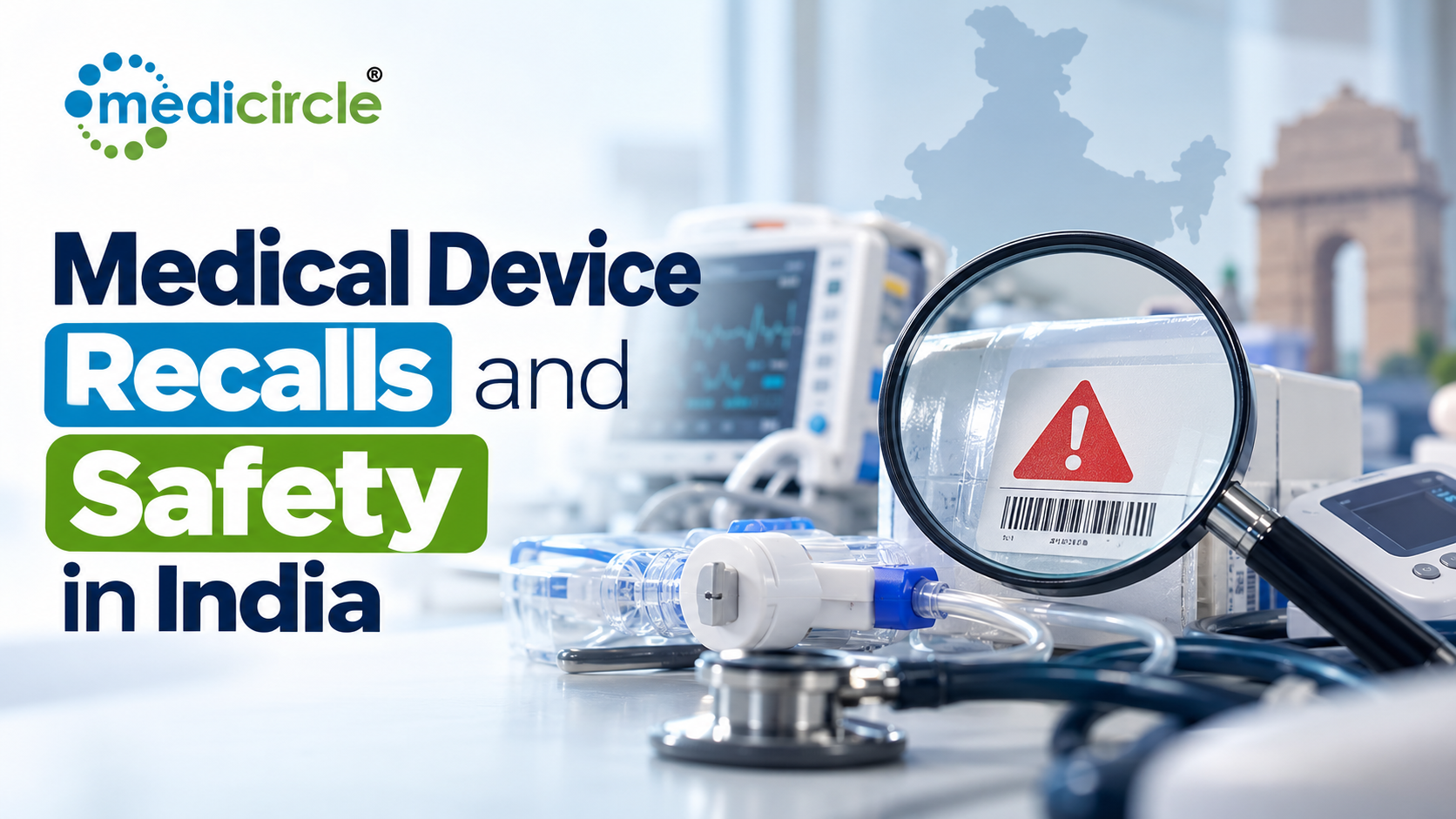
 This article examines medical device safety in India from a practical Medicircle perspective, covering the key considerations, implementation or decision points, and ways the topic can support clearer outcomes.





Medical devices range from everyday monitoring equipment to complex implants and connected systems. Most patients never need to think about the regulatory process behind a device until a safety concern or corrective action appears.
Understanding recalls and safety alerts helps patients and providers distinguish a specific corrective action from a general statement that an entire class of devices is unsafe.
What a device safety alert means
A safety alert can concern a potential or confirmed issue that requires investigation, correction or another defined response. The exact action depends on the device, the notice and the responsible authority or manufacturer.
Patients should look for identifiers, affected models or lots where specified and the action recommended. An alert should not be expanded into a broader claim than the source supports.
Why traceability matters
Hospitals need to know where relevant devices are located and, where appropriate, which patients or procedures they may be associated with. Without traceability, a safety message can be received without a practical way to identify its impact.
Consistent device identifiers in inventory or clinical systems can support that response. The value is not more data for its own sake; it is retrievable data when action is required.
How patients should respond to a recall
Patients should verify the notice through an authoritative source rather than relying on a screenshot or social post. A recall can be limited to a specific model, batch or use case.
People should also avoid stopping a medically necessary device without professional advice. Depending on the notice, the correct response may involve monitoring, inspection, replacement or another action.
Why hospitals need a response workflow
A device-safety communication may involve procurement, biomedical engineering, clinical teams, quality, IT and patient communication. A clear owner and escalation path can prevent a notice from remaining in one inbox.
Hospitals should also document how affected stock or cases are identified and how corrective actions are closed.
Vigilance continues after adoption
Device safety does not end when a product enters routine use. Real-world experience can reveal issues that warrant investigation or corrective action. Vigilance connects those signals with quality and regulatory processes.
For healthcare media, the important story is systemic: how monitoring works, how safety information reaches providers and how patients can receive clear information without unnecessary alarm.
Relevant Internal Reading
Medicircle medical device ecosystem coverage
Things to Keep in Mind
- Verify notices through authoritative sources.
- Check device identifiers and affected models or lots.
- Do not assume every alert affects every version.
- Maintain traceable device records where appropriate.
- Seek professional guidance before changing medically necessary device use.
Frequently Asked Questions (FAQs)
What is a medical device recall?
It is a corrective action taken when a device requires removal, correction, modification or another response because of a safety or quality concern.
Where should patients verify a safety notice?
Relevant regulators, healthcare providers and manufacturers can provide authoritative information using the device identifiers in the notice.
Does every recall mean immediate danger?
No. The risk and required response depend on the specific notice and affected device.
Why is traceability important?
It helps organisations identify affected devices or patients and document corrective action more efficiently.
Wrapping It Up
Medicircle covers MedTech through responsible healthcare communication, patient awareness and system-level analysis.
For healthcare audiences, the most useful approach is one that makes evidence, process and professional judgement easier to understand. Responsible communication should add context without overstating what the available information can prove.
Resources
CDSCO: https://cdsco.gov.in/
Indian Pharmacopoeia Commission: https://www.ipc.gov.in/
Interlinking Keywords
Medicircle medical device ecosystem coverage: https://www.medicircle.in/how-medicircle-guides-global-medical-devices-into-india
Medicircle blog archive: https://www.medicircle.in/medicircle-blog
Editorial / Medical Disclaimer
This article is intended for informational and educational purposes only. It does not constitute medical advice, diagnosis, treatment or a substitute for professional clinical judgement. Medical decisions should be made with a qualified healthcare professional. Where factual or regulatory information is discussed, readers should consult the latest authoritative guidance because requirements and evidence can change.





-23-300x250.png)

.jpeg)
.jpg)
.jpg)
.jpg)
.jpg)
.jpg)
.jpg)
.jpg)
.jpg)
.jpg)