Friday, October 23, 2026
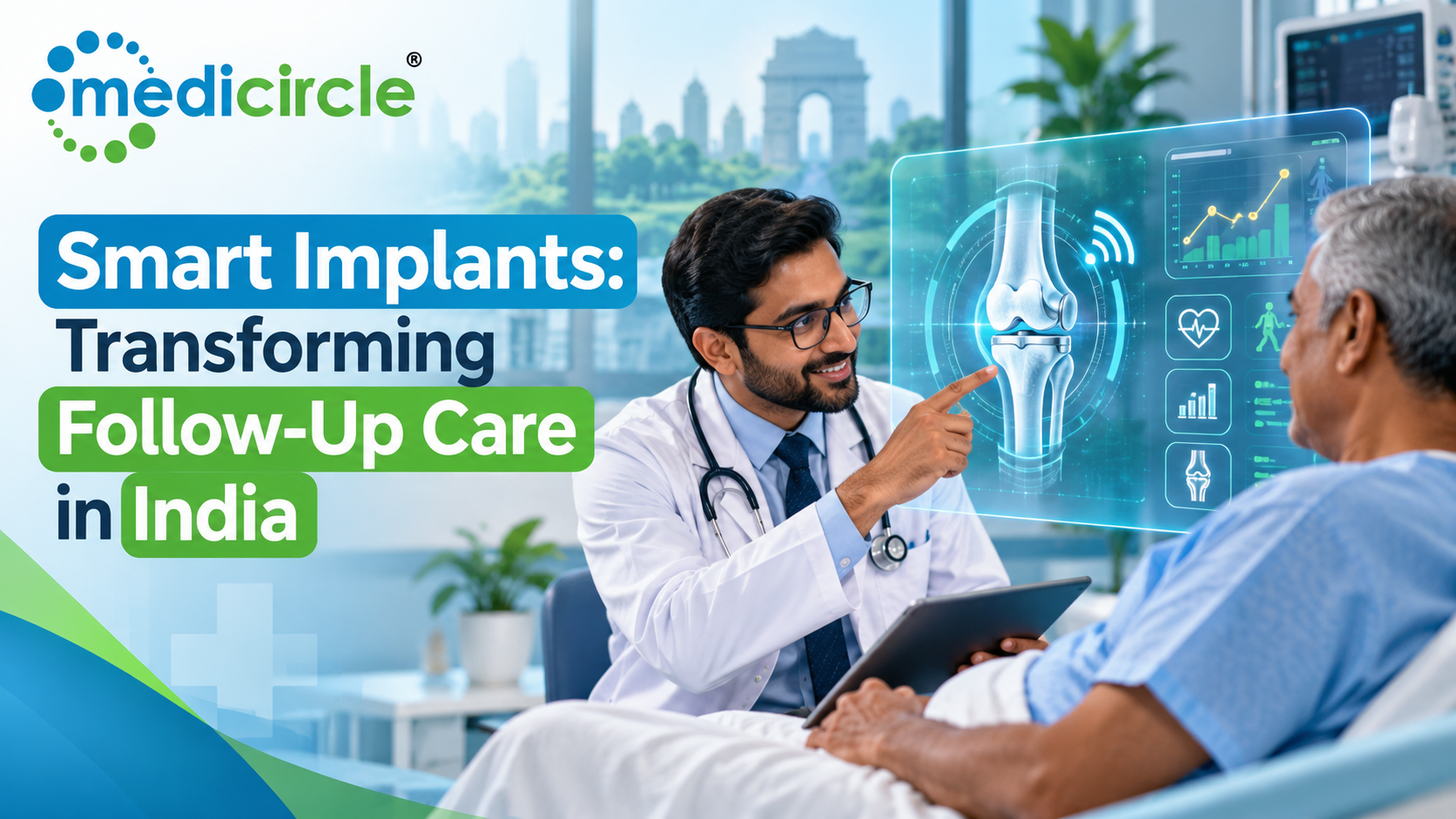
 Smart implants embedded with sensors and wireless technology are redefining post-surgical follow-up care in India by enabling real-time remote monitoring, reducing hospital visits, and improving patient outcomes.





Introduction
Every year, millions of Indians undergo surgical procedures that involve some form of implant, whether it is a joint replacement, a cardiac device, a spinal fixation system, or a cochlear implant. After surgery, the quality of follow-up care often determines whether a patient truly recovers well or faces complications that could have been caught earlier. For decades, follow-up care has meant repeated clinic visits, long waiting times, and physical consultations that are simply not accessible to patients in smaller towns or rural areas.
Smart implants are beginning to change this equation in a meaningful way. These are implantable medical devices embedded with sensors, wireless communication modules, and data-processing capabilities that can monitor a patient's internal health status in real time and transmit that information to a healthcare provider remotely. The idea is not science fiction. It is an active and rapidly evolving field within medical technology, and its implications for a country like India, where patient-to-doctor ratios remain strained and geographic access to specialty care is uneven, are particularly significant.
Understanding Smart Implants and How They Work
A smart implant is a next-generation medical device that goes beyond the mechanical or biological function of a traditional implant. While a conventional knee replacement simply replaces a damaged joint, a smart knee implant can measure pressure distribution across the joint, track gait patterns, detect early signs of implant loosening, and alert both the patient and the orthopaedic surgeon before a failure occurs.
The core technology behind smart implants typically involves three integrated components. The first is a microsensor layer that captures physiological parameters such as temperature, pressure, pH, electrical activity, or mechanical strain depending on the type of implant. The second is a microprocessor or data-processing unit that interprets the sensor readings and filters out noise. The third is a wireless communication module, often using Bluetooth Low Energy, Near Field Communication, or similar protocols, that transmits processed data to an external receiver, which could be a smartphone application, a wearable device, or a secure cloud-based health platform.
This combination places smart implants firmly within the broader Internet of Medical Things ecosystem, a network of connected healthcare devices that is rapidly becoming central to modern clinical practice worldwide.
Key Application Areas Where Smart Implants Are Making a Difference
Cardiac Monitoring Through Smart DevicesCardiac implants represent one of the most mature areas of smart implant technology. Implantable cardioverter-defibrillators and cardiac resynchronisation therapy devices have incorporated remote monitoring capabilities for over a decade. These devices continuously track heart rhythm, detect arrhythmias, log therapy delivered, and send alerts to a cardiologist if the data suggests deterioration.
For Indian patients living in tier 2 or tier 3 cities, this is transformational. A patient with a cardiac implant in a district town in Uttar Pradesh or Odisha can have their cardiologist in a major city review device data without the patient needing to travel. Studies have consistently shown that remote monitoring of cardiac implants reduces hospitalisation rates and allows earlier clinical intervention.
Smart Orthopaedic Implants and Joint HealthOrthopaedic applications are perhaps the most discussed frontier in smart implant research today. India sees a growing burden of joint disease, driven by an ageing population, rising obesity rates, and the long-term effects of physically demanding occupations. Smart knee and hip implants equipped with load sensors can provide post-surgical rehabilitation data, tell physiotherapists how a patient is walking, and identify mechanical stress patterns that might indicate the implant is wearing unevenly.
Several research programs globally and some pilot studies in India are exploring how this data can be used to personalise rehabilitation protocols, reduce the risk of implant failure, and extend the functional life of an orthopaedic device. For a country where revision surgeries place enormous economic and social burden on families, early detection of implant-related complications through continuous monitoring carries real promise.
Neurological and Spinal ImplantsSmart spinal cord stimulators are already being used in some advanced neurology and pain management centres in India for conditions like chronic refractory pain. These devices can be programmed remotely and adjusted based on patient feedback transmitted through a companion application. Similarly, smart cochlear implants allow audiologists to fine-tune hearing parameters based on real-world acoustic data captured by the device, reducing the number of in-clinic adjustment sessions.
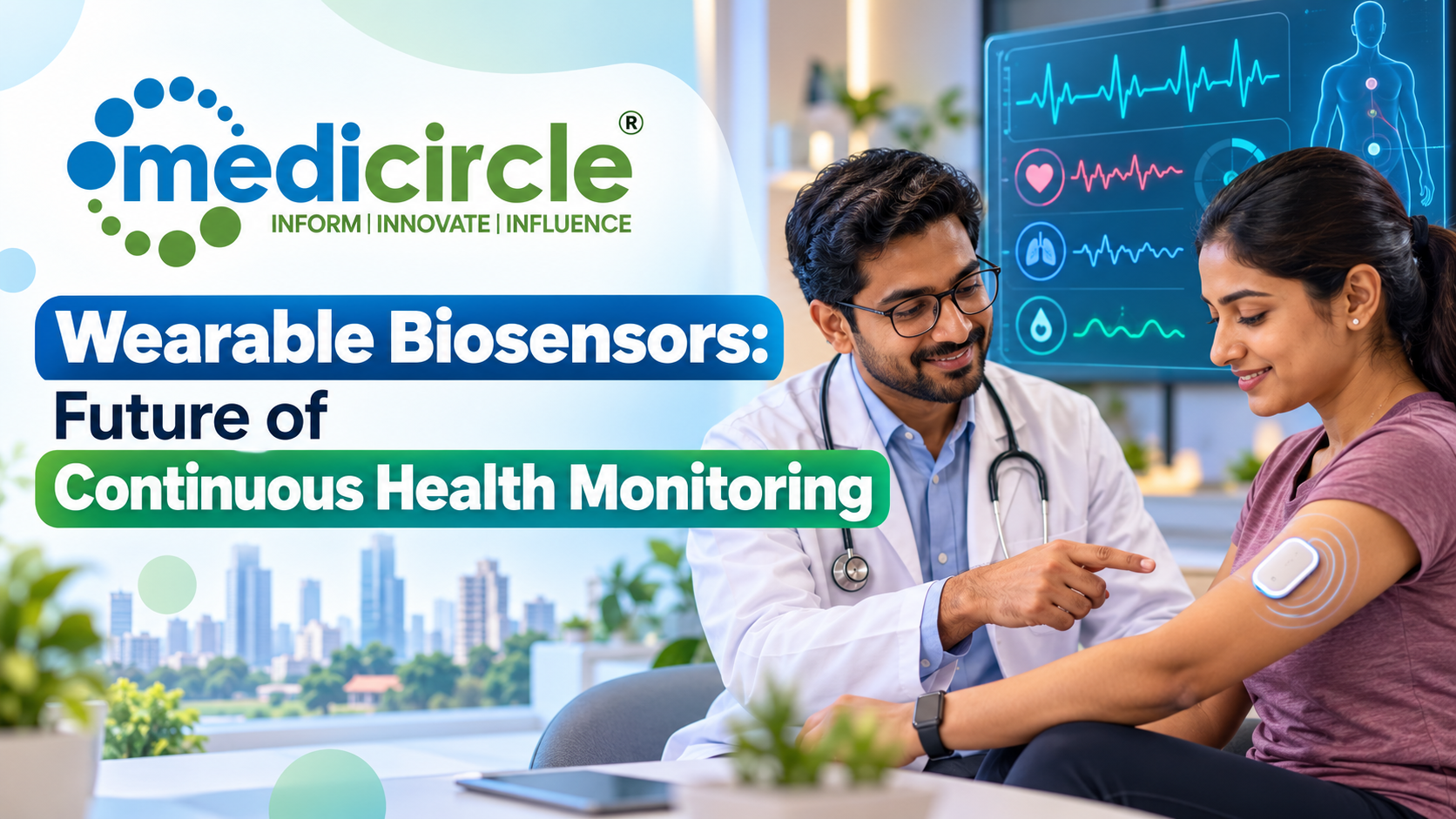
Glucose Monitoring and Endocrine ImplantsContinuous glucose monitors, while not implants in the traditional surgical sense, share the same foundational philosophy: a sensor placed under the skin that continuously reads glucose levels and transmits data to a connected device. For India's estimated 101 million people living with diabetes, according to the Indian Council of Medical Research, connected monitoring tools represent a critical step toward better glycaemic control and fewer emergency interventions.
How Smart Implants Could Reshape Follow-Up Care Specifically
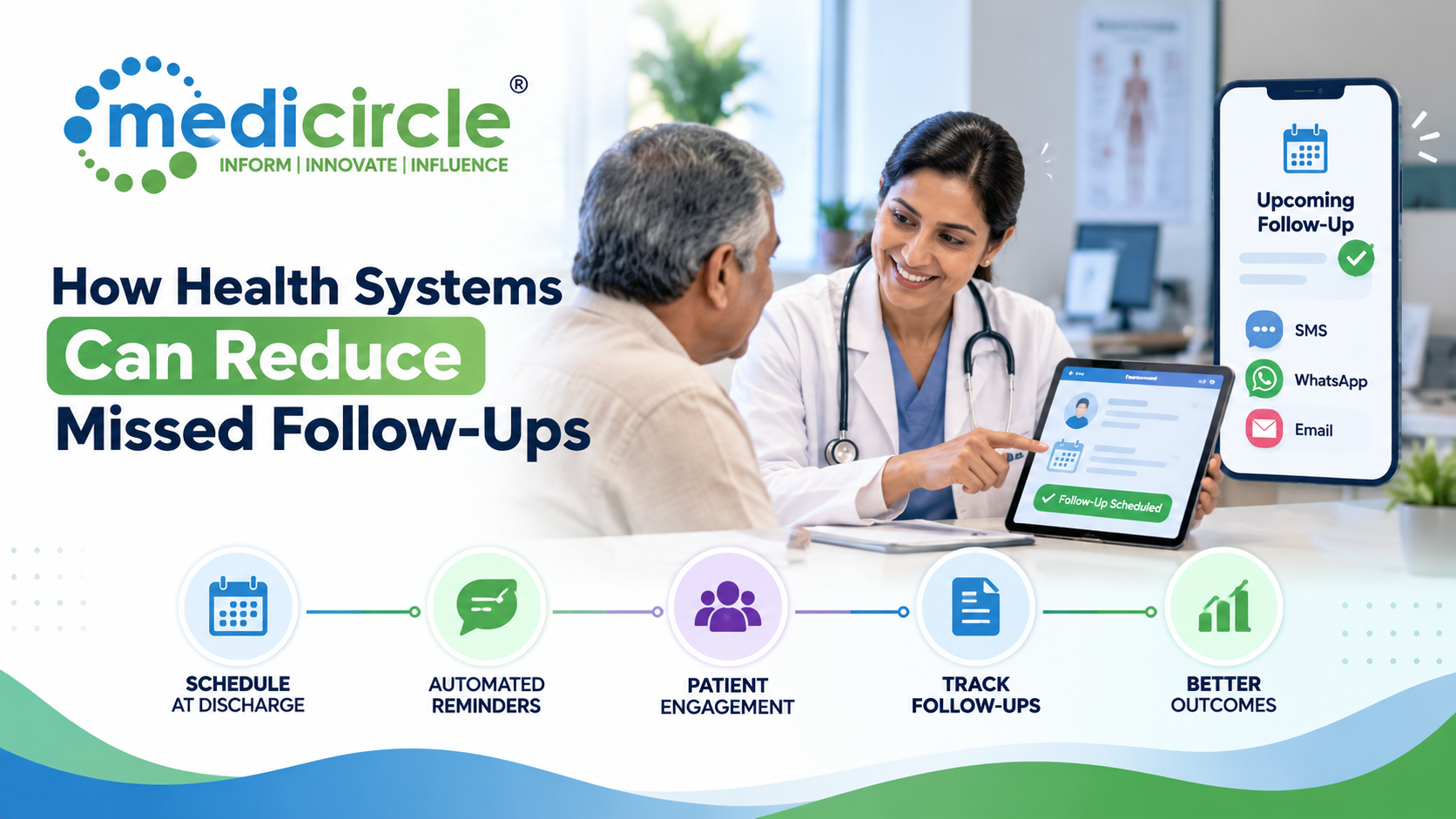
The follow-up consultation model in Indian healthcare is under significant pressure. Urban tertiary hospitals are overwhelmed, specialist appointments can take weeks to secure, and rural patients face the dual burden of travel costs and lost working days. Smart implants address this problem structurally by shifting the information flow.
Instead of a patient travelling to provide information to a doctor, the implant continuously provides information to the doctor while the patient remains at home. Follow-up consultations can become data-driven conversations where the physician reviews weeks of physiological trends rather than relying on a brief clinical snapshot taken during a single visit. This approach is sometimes described as moving from episodic care to continuous care, and it has the potential to detect complications such as infection, device malfunction, or physiological deterioration far earlier than traditional scheduled reviews would allow.
The implications extend to:
- Reducing unnecessary outpatient visits while making necessary ones more targeted and productive
- Allowing clinicians to prioritise patients whose implant data shows concerning trends
- Supporting patients in remote or underserved locations who cannot easily access specialist care
- Generating longitudinal health data that improves surgical outcomes research over time
Challenges and Considerations in the Indian Context
The promise of smart implants is real, but so are the barriers to widespread adoption in India.
Cost remains the most significant challenge. Smart implants carry a higher upfront price than conventional devices, and while the long-term savings from reduced hospitalisations may justify this cost, the immediate affordability barrier is substantial for most Indian patients. The integration of smart implants into Ayushman Bharat PM-JAY coverage frameworks or NABH-accredited hospital procurement pathways would be a meaningful policy step.
Data privacy and security deserve serious attention. Implants that transmit continuous physiological data must be protected against breaches and misuse. India's Digital Personal Data Protection Act 2023 provides a legislative foundation, but sector-specific guidelines for health data from implantable devices are still evolving. The Ayushman Bharat Digital Mission framework offers a promising structure for standardising how implant data is linked to a patient's Ayushman Bharat Health Account and accessed by authorised providers.
Connectivity infrastructure is another practical consideration. The utility of a smart implant depends on the patient being able to transmit data reliably. In areas with poor internet connectivity, the wireless communication features of these devices may function poorly, limiting their real-world effectiveness. Offline data buffering and batch-transmission features are being developed to address this, but the challenge remains relevant in large parts of rural India.
Regulatory clarity from the Central Drugs Standard Control Organisation on smart implants as combination products involving both device hardware and software elements is still developing, and manufacturers need clear pathways for approval and post-market surveillance.
The Road Ahead for Smart Implants in India
Indian medtech companies, academic institutions, and hospitals are increasingly engaging with smart implant technology. Institutions like the Indian Institute of Technology campuses and the All India Institute of Medical Sciences have active research programs in implantable sensor technology. The Production Linked Incentive scheme for medical devices is encouraging domestic manufacturing, which could eventually make smart implant technology more cost-accessible.
Telemedicine integration, which gained significant momentum during and after the COVID-19 pandemic, has created a supportive ecosystem for smart implant data to be reviewed remotely. When a cardiologist is already conducting regular teleconsultations, adding implant data to that virtual review session is a logical and low-friction extension.
The combination of India's large patient population, its growing medtech manufacturing capacity, its digital health infrastructure under ABDM, and its pool of skilled medical professionals positions the country well to become both a significant adopter and a contributor to the global smart implant landscape.
Frequently Asked Questions
Q1: What is a smart implant and how is it different from a regular implant?
A smart implant is a medical device placed inside the body that contains embedded sensors and wireless communication technology. Unlike a conventional implant that performs only a mechanical or biological function, a smart implant continuously monitors physiological parameters and transmits health data to a connected device or healthcare provider, enabling real-time or near-real-time clinical monitoring.
Q2: Are smart implants currently available in India?
Certain categories of smart implants, particularly remote-monitoring cardiac devices such as implantable cardioverter-defibrillators, are already available and used in leading cardiac centres across India. Smart orthopaedic implants and other connected devices are in various stages of clinical research and limited deployment. Wider availability is expected to grow as regulation, manufacturing, and affordability improve.
Q3: Is the data transmitted by smart implants secure and private?
Data security is a critical design requirement for smart implants. Reputable devices use encrypted communication protocols to protect patient data during transmission. In India, the Digital Personal Data Protection Act 2023 provides a legal framework for health data privacy, and the Ayushman Bharat Digital Mission is working toward standards for how digital health data is stored and accessed.
Q4: Can smart implants reduce the number of hospital visits for post-surgical patients?
Yes, this is one of the primary clinical benefits being demonstrated in research and real-world deployments globally. By providing continuous monitoring data to clinicians remotely, smart implants allow scheduled follow-up visits to be reduced, replaced, or made more clinically meaningful. Emergency visits caused by undetected complications may also decrease when implant data enables early intervention.
Q5: What is the future of smart implants under India's digital health mission?
The Ayushman Bharat Digital Mission creates a national digital health infrastructure where patient health records, including data from connected devices, can be linked to a standardised Ayushman Bharat Health Account. As this framework matures, smart implant data could become a routine part of a patient's longitudinal health record, accessible to authorised providers across the country and integrated into care pathways for chronic disease management and post-surgical follow-up.
Resources
- Indian Council of Medical Research (ICMR): Guidelines, publications, and national health data including diabetes burden statistics for India
- Ayushman Bharat Digital Mission (ABDM): Official framework for India's national digital health infrastructure, relevant to connected device data standards
- Central Drugs Standard Control Organisation (CDSCO): Regulatory authority for medical devices in India, including classification and approval of implantable devices
- World Health Organization (WHO) India: Country-level guidance on medical technology, digital health, and patient safety
- National Health Authority (NHA): Oversight body for Ayushman Bharat PM-JAY and digital health integration across India
Interlinking Keywords
Smart implants India, connected medical devices, remote patient monitoring, Internet of Medical Things, post-surgical follow-up care, cardiac remote monitoring, smart orthopaedic implants, Ayushman Bharat Digital Mission, digital health India, implantable sensor technology, telemedicine India, CDSCO medical devices
Last reviewed by:
Dr. Manthan Tripathi, Medicircle Editorial and Medical Advisory Team on 29, September 2026.
Disclaimer
This article is intended for general health awareness and informational purposes only. It does not constitute medical advice, diagnosis, or treatment recommendations. Readers should consult a qualified and registered medical professional before making any decisions related to surgical implants, medical devices, or post-operative care. Medicircle does not endorse any specific product, brand, device, or manufacturer mentioned or implied in this article.





-23-300x250.png)

.jpeg)
.jpg)
.jpg)
.jpg)
.jpg)
.jpg)
.jpg)
.jpg)
.jpg)
.jpg)